
Let's start with what you're noticing
Your orgasms don't feel the way they used to. Maybe they're softer now, or shorter. Maybe the buildup is steeper but the release feels muted. Or maybe you're having them, but something about the intensity or the sensation has shifted in a way you can't quite name. Honestly? That's one of the most common things I hear in conversations with people exploring their pleasure.
Here's the part nobody tells you clearly: orgasms changing doesn't mean your body is breaking. It means something has shifted. And that something is almost always fixable once you understand what's actually going on.
Why orgasm intensity changes
There are several reasons this happens, and they stack on each other.
Hormonal fluctuations. Estrogen, testosterone, and progesterone all influence blood flow to the clitoris, tissue sensitivity, and how quickly arousal builds. When those hormones dip, shift, or cycle differently than they used to, the orgasm experience changes. This is especially common during perimenopause, post-menopause, or after certain medications kick in.
Pelvic floor tension. When your pelvic floor muscles are chronically tight, clenched, or guarded, orgasms can feel shallow because the muscles don't fully relax and contract. Stress, anxiety, and certain health conditions all tighten the pelvic floor without you knowing it's happening.
Desensitization over time. If you've been using the same type of stimulation or the same toy for years, your nervous system adapts. Not because you're broken, but because sensation is relative. Your brain gets used to a signal, so the signal has to change to feel the same.
Arousal baseline dropping. Depression, chronic stress, medication side effects, and relationship shifts all lower your baseline arousal level. When arousal starts lower, the peak feels lower too, even if the actual physiological response is the same.
Disconnection during sex. Sometimes the intensity drops because you're not as present. Distraction, performance pressure, or not being fully turned on before you start will flatten every sensation that follows.
The good news: almost every one of these has a practical fix.
How the Lem works differently when intensity has shifted
Lemon vibrators, especially air-suction devices like the Lem, work through a completely different mechanism than traditional vibrators. Instead of buzzing directly on tissue, they create a seal and use gentle suction pulses to stimulate the clitoris and surrounding nerves.
This matters because when orgasms feel less intense, it's often because direct vibration alone isn't reaching the right nerves or building the right kind of arousal. Suction stimulates deeper nerve pathways. The pulsing rhythm can reawaken sensation that feels flat with traditional vibration.
Many people report that when they switch to a lemon clitoral vibrator, the orgasms feel fuller, more three-dimensional. Not because the toy is magic, but because it's triggering a different set of nerve endings. The sensation intensity isn't just stronger. It's different. And different is often exactly what you need.
The technical adjustments that actually work
If you're using a lemon vibrator and still not feeling the intensity you want, here are the specific tweaks that help.
Start at a lower intensity setting and build. This isn't about being gentle. It's about priming your nervous system. If you jump straight to pattern 5 at full speed, your body habituates instantly. Start at pattern 1 or 2 for 3 to 5 minutes, then move up. Your arousal will actually build deeper and the final intensity will feel sharper.
Vary the pattern instead of increasing the speed. The Lem has multiple pulsing patterns. Your nervous system gets used to repetition. If you've been using pattern 1 for months, switch to pattern 3 or 4. The novelty alone will make sensations feel stronger.
Lengthen your warm-up by at least 10 minutes. If you're jumping into direct clitoral stimulation after 2 minutes of foreplay, of course the orgasm feels flat. You need adequate arousal buildup for the climax to have anywhere to go. This is true whether you're using a toy or not, but it becomes more obvious with a more sensitive device.
Use lubrication, even if you don't think you need it. Water-based lube isn't just for comfort. It changes the glide and pressure dynamics of how the toy interacts with your tissue. Even a small amount can make sensation feel deeper.
The mindset shifts that matter more than technique
Here's the uncomfortable truth: technique changes matter less than what's happening in your head.
If you're using a lemon vibrator while thinking "This doesn't feel as good as it used to," you've already made the orgasm smaller. Your brain is running a comparison instead of being present in sensation.
The people who report the most intense orgasms aren't the ones with the fanciest toys. They're the ones who have decided to stop measuring their pleasure against past experiences.
That requires a mindset shift. Stop asking "Is this as intense as last time?" Start asking "What am I actually feeling right now?" Stop comparing your 40-year-old orgasms to your 25-year-old orgasms. Your nervous system is different. Your life is different. Your capacity for pleasure is different. That's not a loss. That's evolution.
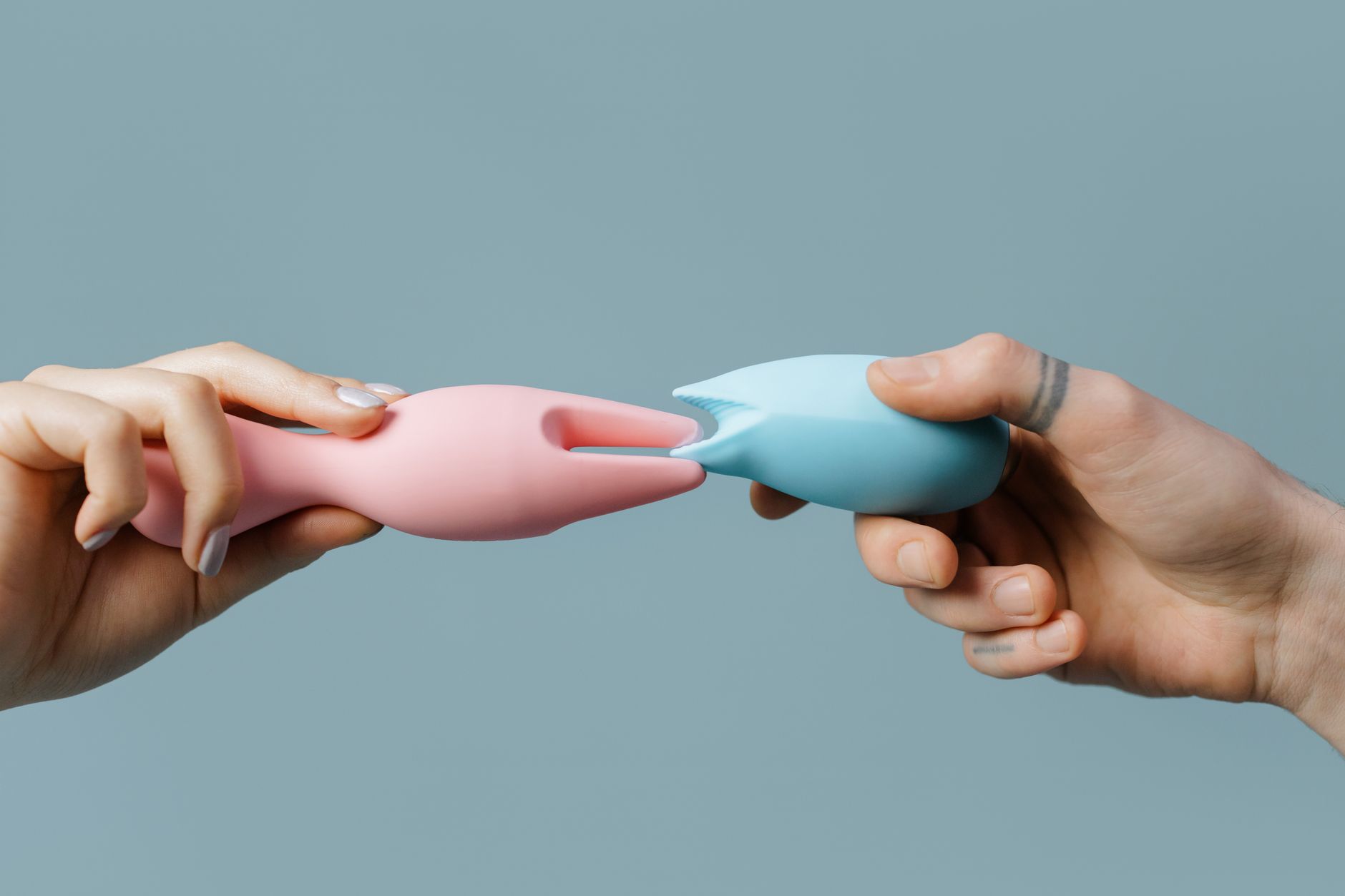
Photo by cottonbro studio on Pexels
If you're in a relationship, the intensity shift often isn't actually about the toy or your body. It's about how present your partner is, how safe you feel, whether you're actually aroused or just going through motions. How Lemon Vibrators Help With Sensation When You Have Low Libido From Stress digs into this more deeply.
When to check with a doctor
If orgasm intensity dropped suddenly and nothing about your life, medications, or stress level changed, that's worth mentioning to a gynecologist or menopause specialist. A sudden shift can indicate hormonal changes, medication interactions, or occasionally a vascular issue worth investigating.
If the intensity has been slowly declining over years alongside other symptoms like fatigue, mood shifts, or joint pain, that's also worth exploring. Sometimes what feels like a pleasure problem is actually a larger health conversation.
But if the shift is gradual, or if you can trace it to a life change (new medication, stress, hormonal shift), that's usually not an emergency. It's just information about what your body needs right now.
Rebuilding the sensation you're missing
Here's the framework I recommend:
Week 1: Explore your body solo with the lemon vibrator for at least 15 minutes without the goal of orgasm. Just sensation. Notice what patterns feel good, where intensity feels sharpest, what rhythm your body gravitates toward.
Week 2: Introduce the variation. Switch patterns every 3 minutes. Notice how the shift in sensation changes your arousal level.
Week 3: Add the pacing layer. 10 minutes of warm-up, then toy use. Orgasm when it comes. If it doesn't come, that's fine. You're training your nervous system to build arousal, not chasing a performance outcome.
Week 4: If you have a partner, introduce the toy into partnered sex. This isn't about "needing" the toy. It's about integrating a different sensation type into a familiar experience.
Most people report noticeable changes in sensation intensity within 2 to 3 weeks of this approach. Not because the toy changed. Because your nervous system recalibrated.
The orgasms on the other side of the shift
One of the things I see consistently is that people who push through this period of orgasm intensity shifts end up with something they didn't expect: more nuanced pleasure.
Orgasms aren't just about the peak anymore. They're about the buildup, the rhythm, the variations in sensation. For some people, that's actually more satisfying than the blunt-force intensity they had before.
You don't have to believe me yet. Just stay curious about what your body is telling you. Use a lemon clitoral vibrator with attention instead of expectation. Pay attention to what feels different, not worse. That attention is where the shift happens.
People also ask
Why do orgasms feel less intense as you get older?
Several factors overlap. Hormonal changes reduce blood flow to the clitoris and change tissue sensitivity. The pelvic floor becomes more prone to chronic tension. Medications used for common midlife health issues can affect sexual response. And psychologically, you're often carrying more stress and distraction. None of this is inevitable or permanent, but it is normal. That's why exploring tools like lemon vibrators often helps, especially when combined with attention to pelvic floor health and stress management.
Can medication make orgasms feel different?
Yes, absolutely. Antidepressants, antihistamines, blood pressure medications, and hormonal birth control can all flatten orgasm sensation or make them harder to reach. If you notice the shift timing coincides with starting a new medication, bring this up with your prescriber. Sometimes a dose adjustment or timing change helps. Sometimes switching medications does. This is medical, not moral, and your doctor needs to know.
Does using vibrators too much make orgasms feel weaker?
Not exactly. What happens is your nervous system habituates to repeated stimuli. If you use the exact same vibration pattern at the exact same intensity every day, your body gets used to the signal. But switching patterns, intensities, or taking breaks restores sensation. The solution is variation, not abstinence. Lemon vibrators with multiple patterns are actually great for this because they force you to change up the input regularly.
Is it normal for orgasms to feel different in different positions?
Completely normal. Position changes the angle of stimulation, how deep the sensation reaches, and which muscles engage. Some positions will feel sharper, others fuller. This isn't a malfunction. It's information about what your body responds to. If you're noticing orgasm intensity has shifted, exploring different positions and different types of stimulation with a lemon vibrator can help you find what works now.
Should I be worried if orgasms feel numb or distant?
Not worried. Curious. Numbness or distance usually points to either chronic tension in the pelvic floor or emotional disconnection during sex. Neither is permanent. Pelvic floor physical therapy helps with tension. Presence and attention help with disconnection. A tool like the Lem helps bridge both because it forces you to pay attention to sensation in a new way. If numbness is new and widespread, mention it to a doctor. But isolated genital numbness during sex is almost always tension or attention related.
Can orgasm intensity come back if it's faded?
Yes. I've seen people rebuild it consistently by rotating through new stimulation types, addressing stress and pelvic floor tension, and moving away from performance-based thinking. The intensity that comes back is often different from what you remember. But different doesn't mean worse. It often means richer.