Here's the thing about numbness and pleasure
Low sensation or numbness during sex doesn't mean your body is broken. It means the nerve pathways need a bit of help waking up again. That's where lemon vibrators come in. Unlike fingers or other stimulation, a good clitoral vibrator creates a consistent pattern of nerve activation that can jumpstart responsiveness, especially when sensation has faded from medication, aging, or other life changes.
I work with clients on this all the time. The relief they feel when they realize numbness isn't permanent is real. And the pleasure that comes back, when you use the right tool the right way, often surprises them.
Why lemon clitoral vibrators work differently for low sensation
When sensation is reduced, direct touch often feels frustrating. A fingertip or tongue might feel like pressure without pleasure. Lemon vibrators work because they're offering something different. The air-pulse technology doesn't rely on friction or pressure alone. It creates gentle suction that stimulates nerves in a way that can feel present even when sensitivity is low.
Here's the neurology angle: vibration at certain frequencies (the Lemon runs at multiple intensities) activates nerve endings that may have gone quiet from antidepressants, hormonal changes, or circulatory issues. It's not about brute force. It's about consistent, rhythmic activation that your nervous system can latch onto.
When sensation is already compromised, pattern matters more than intensity. A lower-frequency vibration that you can feel clearly will always outperform maximum intensity that feels like white noise.
Starting: the first week protocol
Day one is about mapping. Sit alone, no pressure to orgasm, just exploration. Use the Lemon on the lowest setting with no lube (or just a tiny bit of water-based if you need it). Start on the inner thigh, not the clitoris. Spend two minutes there. See if you notice any sensation at all. Move to the outer labia. Another two minutes. Then the clitoral hood, never the clitoris itself yet.
This matters because the clitoris is often the most sensitive area, and when sensation is low, starting there can feel like searching for a signal that isn't there. It kills motivation fast.
Day two and three: same exploration, but this time you're paying attention to which areas respond first. You might find that the outer edges feel more than the center. The sides might wake up before the top. Write this down. Seriously. Your body is telling you where to focus.
Days four through seven: once you've found a spot that registers, increase time there to five minutes. Stick to the lowest setting. You're not trying for an orgasm. You're trying to build a conversation between the vibrator and your nervous system. That conversation takes time.
The patience paradox
Everyone wants the fastest path to pleasure. When sensation is low, fast is the wrong strategy. I tell my clients this: the longer you can spend in that five to ten minute window before expecting anything, the more your nervous system relaxes. Relaxation is what allows sensation to return.
Muscle tension kills sensation. When you're anxious about whether the vibrator will work, your pelvic floor clenches. That tension literally reduces bloodflow to the tissue, which makes numbness worse. If you go in expecting nothing and get curious instead, your body can open.
Lemon vibrators are patient tools. They're not going anywhere. Neither should you.

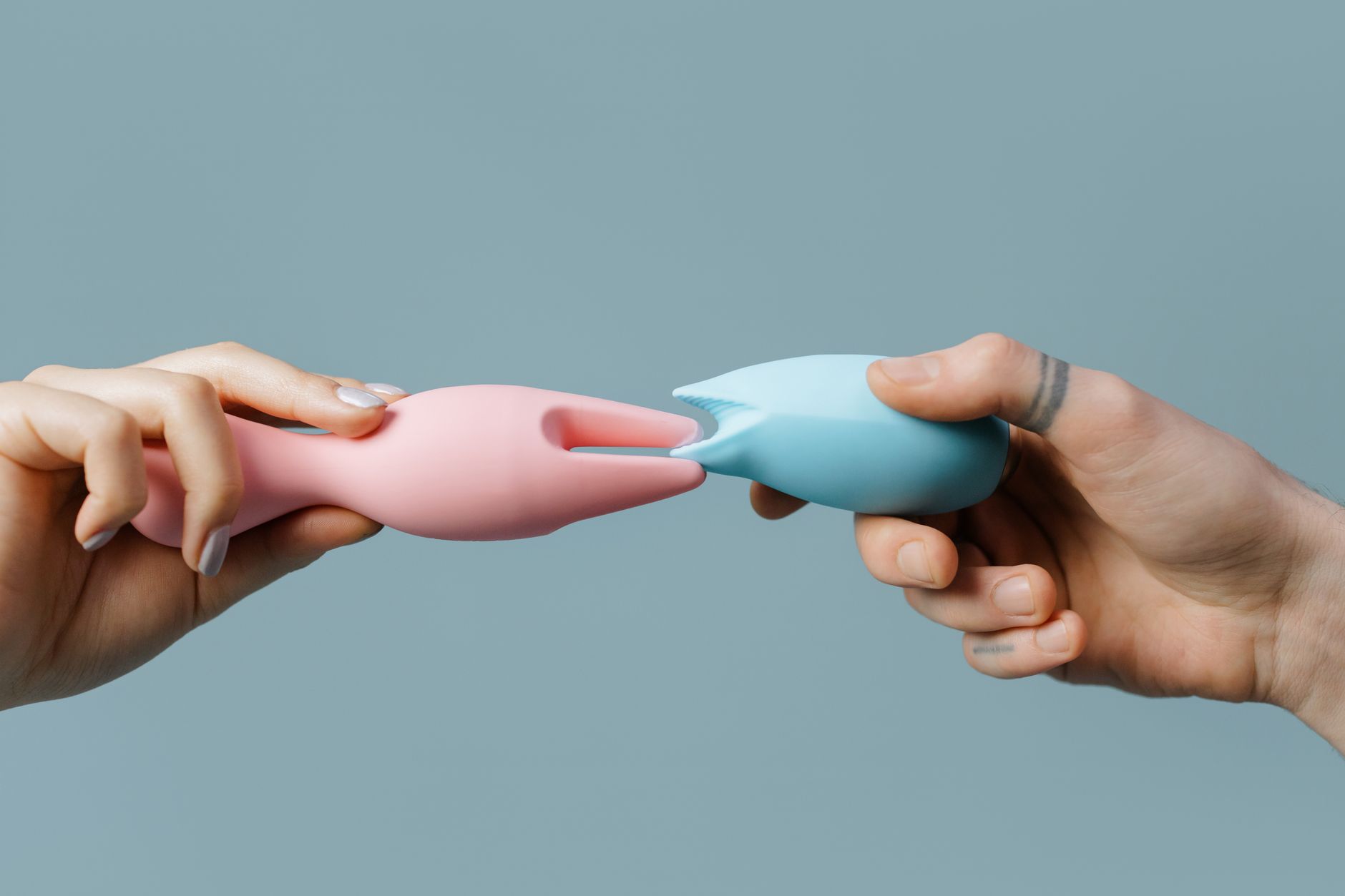
Photo by cottonbro studio on Pexels
When to add lube and move to the clitoris
After five to seven days of mapping, if a particular area is starting to feel like something (even if it's just "something" and not pleasure yet), you can try adding lube. Water-based only. A small amount. Too much numbs the sensation even more.
Now move to the clitoris, but only if you've felt something consistent in the other areas first. Use the Lemon still on the lowest setting. The clitoris is a nerve complex. When sensation is low, it's often because the nerves are either desensitized or under-activated. Flooding it with intensity won't help. Consistency will.
If you're on antidepressants, you might notice sensation creeping back around week two or three. If you're post-menopausal or dealing with circulatory changes, it might take longer. That's normal. Some people notice changes within days. Others take months. Both are fine.
The intensity question
Here's what NOT to do: jump to maximum intensity hoping it will jolt sensation back. That backfires. Your nervous system gets overwhelmed and shuts down harder. The Lemon has multiple patterns and intensity levels for a reason. When sensation is compromised, you're working with intensity levels 1 and 2 for a while. Maybe level 3 after two weeks.
Intensity is a tool for later. Right now, consistency is the tool.
What if numbness is from medication
If you're on an SSRI, stimulant, or other medication known to reduce sensation, the timeline might be longer. Lemon vibrators help rebuild sensation after starting antidepressants, but you're not fighting just physical numbness. You're also working with a medication that's actively dampening response.
This is a conversation worth having with your doctor. Sometimes a dose adjustment or timing change (like taking your SSRI at night instead of morning) can help without compromising the medication's benefits. A good provider won't dismiss the question.
In the meantime, the lemon clitoral vibrator is still your best tool. It works around the dampening effect by using frequency and pattern instead of relying on natural sensitivity.
Partner communication when sensation is low
If you have a partner, this is where things get tricky. Low sensation can feel like rejection to someone who doesn't understand what's happening. It's not. It's a physiological shift that has nothing to do with desire.
The conversation to have isn't "I'm not attracted to you anymore." It's "My nervous system needs some help right now, and I'm using a tool to figure it out. This is for both of us." A partner who cares will want to understand. If they don't, that's a different conversation entirely.
How Lemon vibrators help rebuild connection after a breakup covers some of this territory, but the core idea is the same. You're not choosing a vibrator over your partner. You're choosing your pleasure, which is something your partner should want too.
The mental piece: expectation versus discovery
This is the part nobody talks about enough. When sensation is low, your brain gets hypervigilant. "Is it working? Do I feel anything? Why isn't it working?" That internal monologue is the enemy. It tightens everything up.
I recommend setting a hard rule: no checking in with yourself during the session. Just movement, sensation, pattern. No judgment. No timeline. If you spend fifteen minutes and feel nothing, that's not a failure. Your nervous system registered the attempt. That counts.
The pleasure doesn't always come back in a lightning bolt. Sometimes it creeps in sideways. You'll notice, three weeks in, that the clitoris feels less numb. A week later, you might feel actual pleasure. Another week and you might orgasm. It's a slow unfurling, not a switch.
When to get professional support
If numbness came on suddenly (within days) and wasn't tied to a medication or life change, that's worth mentioning to a doctor. Nerve damage, circulatory issues, or hormonal crashes can all show up as numbness, and some of those need treatment beyond what a lemon clitoral vibrator can do.
If you've been using the vibrator consistently for six weeks and feel absolutely no change, that's also worth checking in with someone. Maybe there's an underlying issue. Maybe the approach needs adjusting. A good sex therapist or specialized gynecologist can help troubleshoot.
Lemon vibrators are powerful tools. But they're not magic. Sometimes the body needs more support than a tool alone can offer.
What's actually possible
Here's what I know from clinical experience: sensation comes back. It always does, if you're patient with it and you're not fighting against what your body is actually experiencing right now. The pleasure you felt before isn't gone. It's dormant. A lemon vibrator is just the tool that helps coax it awake again.
Some of my clients report that the pleasure that comes back is different from what they remember. Sometimes better. Sometimes slower to build but deeper. Sometimes it requires a different kind of attention or touch. That's not a loss. That's evolution.
Your body right now, with low sensation, is still your body. It deserves patience, good tools, and curiosity. That's how pleasure returns.
People also ask
How long does it take for sensation to come back with a lemon vibrator?
Timeline varies widely. Some people notice shifts within two weeks. Others take six to eight weeks. It depends on what caused the numbness. Medication-related numbness often takes longer than age-related changes. Consistency matters more than speed. Using the vibrator three to four times a week will show results faster than sporadic use. The key is regular, patient practice without pressure to orgasm.
Can I use a regular vibrator if I have low sensation?
You can, but it's usually frustrating. Regular wand vibrators rely on direct friction and intense vibration. When sensation is low, intense vibration often feels like buzzing pressure rather than pleasure. Lemon clitoral vibrators use air-pulse suction technology instead, which activates nerves differently. That different mechanism is what makes lemon vibrators more effective for low sensation. If you already have a wand vibrator, try it on the lowest setting first before switching tools.
Should I use lubricant with a lemon vibrator when sensation is low?
Not at first. Lube can actually reduce sensation when your nervous system is already compromised. Start with the vibrator on dry skin for the first week to get the clearest signal from your body. After five to seven days, if you're noticing some response, you can add a small amount of water-based lube. Too much lube dampens the feeling further. Less is more when you're rebuilding sensation.
Is low sensation during sex the same as numbness from medication?
Not quite. Low sensation is a dulled response where you feel something but not as intensely. Numbness from medication is often a complete lack of feeling in specific areas. Both respond well to consistent vibrator use, but medication-related numbness usually takes longer. If numbness came on suddenly with a new medication, that's worth discussing with your doctor. If it's been gradual, a lemon clitoral vibrator is an excellent tool to work with alongside any medical support.
Can low sensation come back permanently or is it temporary?
Sensation almost always comes back with the right approach and time. It might not return to exactly how it felt before. Aging, medications, and life changes mean your nervous system is slightly different now. That's not failure. That's adaptation. The pleasure that emerges might surprise you in the best way. Lemon vibrators help accelerate that return because they provide consistent, focused stimulation that wakes up dormant nerve pathways.
What if my partner doesn't understand why I need a vibrator for low sensation?
That's a communication problem, not a vibrator problem. Use language like: "My nervous system needs help responding right now, and this tool helps me work with that." If your partner associates vibrators with rejection, remind them that you're solving a physical problem, not replacing them. In fact, working with sensation issues on your own terms often makes shared intimacy better because you're coming to it with knowledge instead of frustration. If your partner still resists, consider a conversation with a couples therapist who understands sexual health.
Low sensation feels like a dead end. It's not. It's a detour. Lemon vibrators are the vehicle that gets you moving again. The journey back to pleasure is slower than you want, but it's absolutely doable. Patience plus the right tool plus curiosity equals sensation returning. Trust that.