Let's talk about what actually happens after a breakup
After a relationship ends, most people focus on the emotional wreckage. What got said. What didn't. Where it went wrong. But there's a part of the healing process that barely gets mentioned: reconnecting with your own body and your own pleasure on your terms.
Here's the thing about breakups and desire. When you've been intimate with someone for months or years, your pleasure gets tangled up with theirs. You're reading their responses, adjusting to their rhythm, managing their needs alongside your own. The moment that relationship ends, you lose the external structure. Which sounds freeing. It often feels like nothing.
Why pleasure disappears after heartbreak
It's not just emotional. Your nervous system has been in a partnership state. You were synchronized to another person. Your body learned what arousal looked like through their touch, their feedback, their desire for you. When they're gone, you're not just grieving them. Your body is grieving the context it knew.
Many people describe this as numbness. Others describe it as shame. Some say they felt like their pleasure belonged to their ex, not to themselves. That's surprisingly common and it's worth naming: you didn't lose your capacity for pleasure. You lost the person you'd given permission to access it.
Reclaming that access is part of healing. Not the whole part. But a real part.
What solo exploration after a breakup actually does
Here's what I see in my practice: people who intentionally reconnect with their own pleasure after a breakup rebuild their sense of autonomy faster than people who avoid it. This isn't about replacing a partner. It's about remembering that your body is yours.
When you prioritize your own sensation, you're doing three things simultaneously.
First, you're telling your nervous system that pleasure doesn't require another person's validation. Your arousal is a signal from you to you. That matters for your next relationship too. Partners who know their own body, who can advocate for what they want, who aren't secretly resentful that they've never had good solo sex. Those people build healthier partnerships.
Second, you're setting a boundary with yourself. You're saying: my pleasure is non-negotiable. I deserve to feel good in my own skin. After a relationship where you may have been managing someone else's needs, that boundary can feel radical.
Third, you're gathering data. When you explore your own body without someone else in the room, you learn what actually makes you feel good. Not what you thought should work. Not what looked good in your ex's face. What genuinely makes your nervous system light up.
Why lemon clitoral vibrators work especially well for this
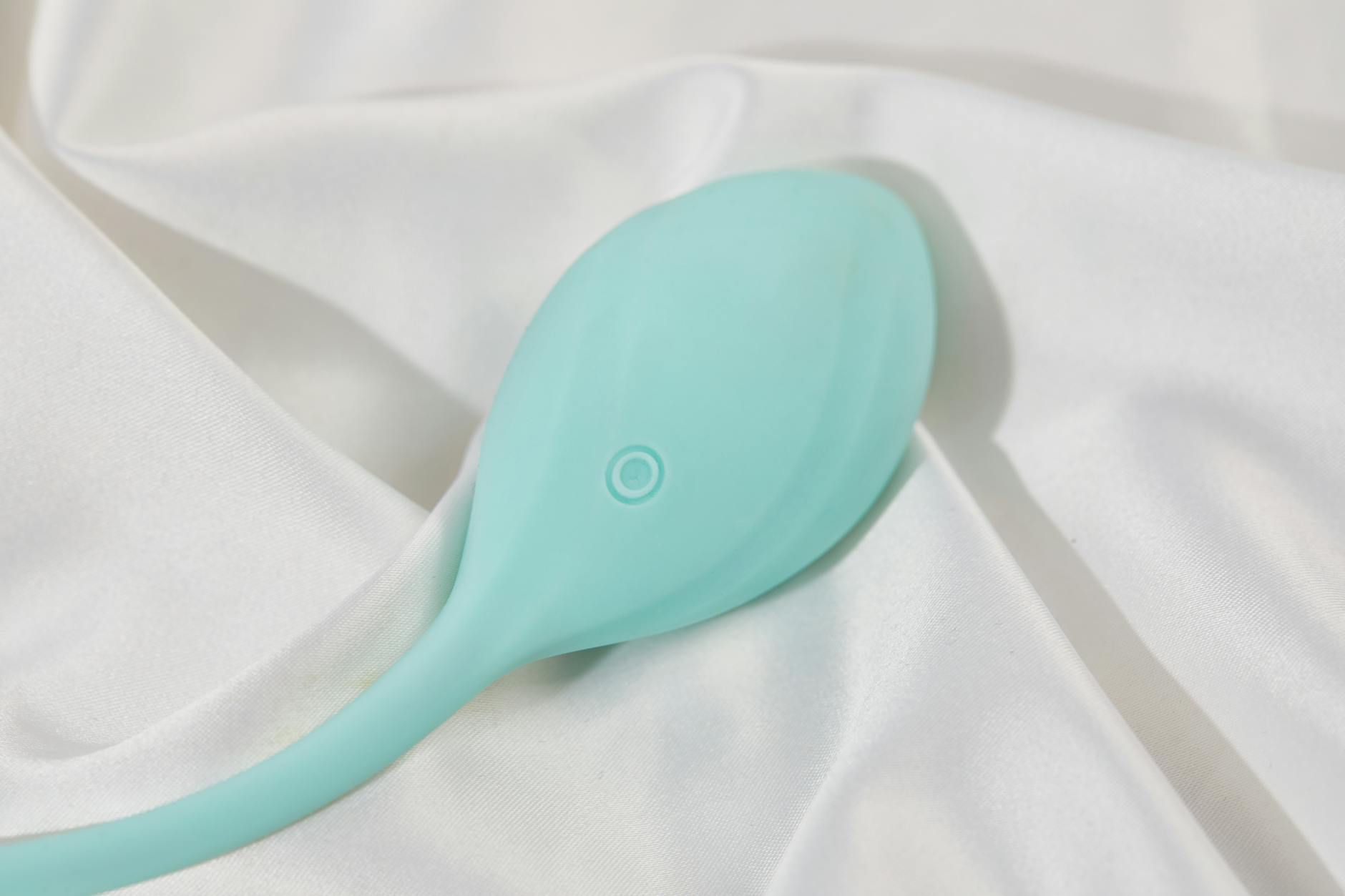
Let me get specific. Lemon vibrators, particularly suction-style clitoral toys like the Lem, are brilliant for post-breakup reconnection for a few reasons.
They're not penis-shaped. This matters more than you'd think. If you're trying to detangle your pleasure from a specific person or a specific type of touch, toys that mimic partnered sex can feel triggering. Suction toys feel novel. They stimulate your clitoris in a way no partner ever did. That novelty is actually therapeutic. Your body gets to have a completely new experience.
They put you in control of intensity and rhythm. You're not accommodating anyone else's pace. You're not managing another person's stamina or preferences. You're experimenting with what rhythm actually makes your nervous system sing. Some people find they need slow, consistent patterns. Others need variety and speed changes. You get to find that out.
They're solo tools. There's no ambiguity about partnering. You're not waiting to see if someone's interested. You're not managing mutual desire. You're doing this for you, on your timeline, whenever you want. That clarity is healing.
How to actually start if you're feeling stuck
If the idea of self-pleasure feels foreign or uncomfortable right now, that's normal. Start slow.
First week: just touch. No tools. Spend time in your own skin without an agenda. A bath. Lotion. Noticing what feels good without pushing toward anything.
Second week: introduce curiosity. Look at your body. Read something sexy if that appeals to you. Get your nervous system gently interested. No pressure.
Third week: try your lemon clitoral vibrator at a low setting. Pattern 1 or 2 if you have options. Fifteen minutes max. You're gathering information, not chasing an outcome. If nothing happens, that's fine. You're rebuilding the pathway.
Fourth week and beyond: play with it. Try different settings. Try different positions. Try different times of day. Let your body remember what arousal feels like when it's yours and only yours.
The timeline is different for everyone. Some people move through this in weeks. Some take months. There's no rush.
The emotional layer that makes this work
Here's what transforms this from just buying a toy to actual healing: intention. Before you use your lemon vibrator, get clear on why. Write it down if that helps.
"I'm doing this because my pleasure matters." "I'm rebuilding my relationship with my own body." "I'm learning what I actually want, not what I thought I should want." "I deserve to feel good."
That intention is not cheesy. It's the difference between mindless distraction and genuine reconnection. Your nervous system recognizes the difference.
Also: expect feelings. Pleasure after a breakup sometimes comes with sadness, anger, grief, or loneliness. That's okay. Your body holds a lot. Feeling multiple things at once is not a sign that you're doing it wrong.
When to bring this into partnered sex again
At some point, you might be ready to be intimate with someone new. That's great. But here's what I recommend: know your body first. Know what you like solo. Know what makes you feel good. Know what settings or rhythms matter to you.
When you enter a new relationship from that place, you come in as someone who knows their own pleasure, not someone who's still figuring it out through another person. You can communicate what you want. You can advocate for yourself. You can enjoy your partner's touch without making it responsible for your entire sense of worth or sensation.
That's a much stronger foundation.
You might even find that your lemon vibrator stays part of your partnered life. Lots of couples use them together. Or you use it solo while your partner watches. Or you use it before or after partnered sex. There's no rule. The point is: your body, your pleasure, your choice.
FAQ: Rebuilding after heartbreak
How long does it typically take to feel pleasure again after a breakup?
It varies wildly depending on the relationship length, how it ended, and your baseline resilience. I've seen people reconnect with pleasure in 2-3 weeks. I've also seen it take 6 months or longer. The timeframe matters less than the intention. You're not racing. You're rebuilding. If you're still not feeling anything after several months, talking to a therapist makes sense. Sometimes grief blocks sensation for legitimate reasons that deserve attention.
Is it weird to use a vibrator right after a breakup?
Not at all. It's actually pretty common. Some people use solo pleasure as part of processing. Others find it helps them reclaim their body from the relationship. There's no moral timeline for when you're "allowed" to enjoy yourself. Your pleasure is yours regardless of your relationship status.
Can using a lemon clitoral vibrator help me move on faster?
Not faster, but differently. Using a lemon vibrator won't magically erase heartbreak. But it can shift your nervous system from "I miss them" to "I can feel good in my body right now." That's not the same as moving on. It's building a parallel track. Both grief and pleasure can exist simultaneously.
What if I'm worried using a vibrator means I don't want to date again?
Using a lemon vibrator has nothing to do with whether you want a partner. Plenty of people in fulfilling relationships also have solo sex lives. Your body's ability to pleasure itself is separate from your desire for partnership. One doesn't cancel the other.
How do I introduce a lemon vibrator into a new relationship later?
Honestly and directly. "I have a vibrator I like using. Would you be interested in exploring it together, or would you prefer I use it solo?" Most partners appreciate knowing what you enjoy. If someone feels threatened by your pleasure tool, that's information about them, not you. You don't need a partner who's insecure about your autonomy.
Is rebuilding solo pleasure actually important for healing?
Yes. Not because it's required for "proper" breakup recovery. But because it reconnects you with your own body as a source of good feeling, not as something that belongs to a relationship. That's foundational to self-worth and healthy future partnerships. When you know your body can generate its own pleasure, you stop looking for another person to complete you. You look for partnership instead of completion. That's a healthier baseline.
The bottom line
Breakups do things to our bodies that we don't always talk about. They disconnect us from ourselves. Reconnecting with your own pleasure isn't about replacing a partner or rushing to feel better. It's about remembering that your body is yours, that your pleasure matters, and that you can feel good without anyone's permission.
A lemon clitoral vibrator is just a tool. But it's a good one. It's novel enough to feel fresh. It's controllable enough to feel safe. And it's unambiguously solo, which matters when you're remembering how to be alone in a way that feels good.
Start wherever you are. No rush. No judgment. Your body's reconnection with itself is part of your healing. Worth investing in.