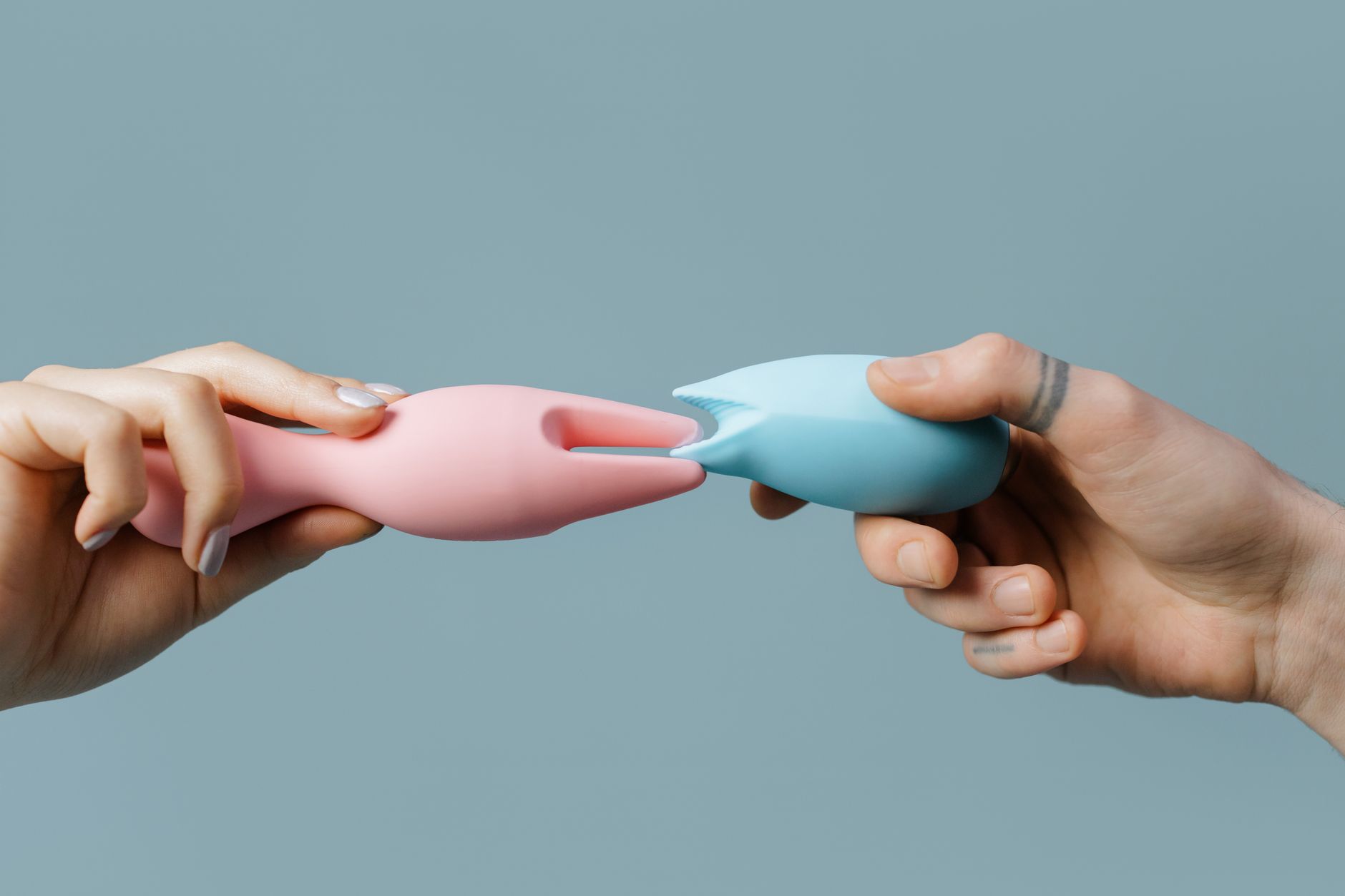
Let's talk about what pelvic floor dysfunction actually costs you
Pelvic floor dysfunction is one of the least talked about barriers to orgasm, and that silence makes it worse. When your pelvic floor muscles are tight, weak, or dyscoordinated, pleasure stops working the way it used to. Orgasms feel distant, painful, or simply impossible. For a lot of people, that gap between wanting pleasure and being able to feel it becomes so frustrating that they stop trying altogether.
Here's what I've learned working with couples through this: the problem isn't that you've lost the ability to orgasm. Your nervous system just needs retraining. And lemon clitoral vibrators are one of the most effective tools for that retraining because of how they work.
Why pelvic floor dysfunction kills orgasms (and how to fix it)
Your pelvic floor is a hammock of muscle that supports your bladder, uterus, and bowel. When it's chronically tight, it restricts blood flow to the genitals, limits nerve sensation, and makes arousal take forever. When it's weak, orgasms lose intensity or don't happen at all. Either way, pleasure gets compromised.
The irony: most people with pelvic floor dysfunction make it worse by tensing up during sex. You're already tight, so you brace harder, which makes the muscles tighter, which makes pleasure harder to reach. It becomes a cycle.
Lemon vibrators interrupt that cycle because they provide external stimulation that doesn't require your pelvic floor to do the work. Instead of your muscles having to contract properly to create sensation, the vibrator is generating sensation for you. That's the break you need. While your pelvic floor gets a chance to relax, your nervous system is being reminded what pleasure actually feels like.
How the lem vibrator specifically helps pelvic floor recovery
The Lem uses gentle suction instead of buzzing vibration. That distinction matters for pelvic floor dysfunction because suction creates a drawing sensation that stimulates the clitoris without the jarring vibration that can trigger pelvic floor tension. When your muscles are already defensive, a gentle pull is a lot less likely to make you clench involuntarily.
With traditional vibrators, you often have to bear down or actively engage your pelvic floor to feel sensation. With air-suction technology, sensation happens to you rather than requiring you to create it. That passivity is therapeutic when you're retraining your nervous system.
Start with the lowest suction setting. I recommend spending 10-15 minutes just getting used to the sensation without any pressure to orgasm. Your job right now is nervous system reset, not climax achievement.
The relaxation protocol that actually works
Before you even pick up a lemon clitoral vibrator, you need to deal with the tension that's already there. Tight muscles won't magically relax just because you're trying to feel pleasure.
Three things to do first:
1. Do reverse kegels. Most people with pelvic floor dysfunction do too many regular kegels, which tighten the muscles further. Instead, practice gently pushing down, as if you're trying to initiate urination or a bowel movement. Hold for 2-3 seconds, then release. Do this 5-10 times, twice a day. This teaches your nervous system that it's safe to let the pelvic floor relax.
2. Use heat before pleasure. Warm muscles are relaxed muscles. Take a warm bath for 15-20 minutes, or use a heating pad on your lower belly for 10 minutes before you plan to use a vibrator. Warmth increases blood flow and signals safety to your nervous system.
3. Breathe into it. When most people start to feel pleasure, they hold their breath. That's a tension trigger. Instead, practice slow, deep breathing. In for 4 counts, hold for 4, out for 6. Do this for 2-3 minutes before you start. It activates your parasympathetic nervous system (the relaxation system) and tells your pelvic floor it's okay to let go.
Using lemon vibrators safely during recovery
Here's the protocol I recommend:
Week 1-2: External exploration only. Use the Lem on the lowest pattern (pattern 1) on your labia and outer clitoral area. No penetration, no pressure to reach a goal. Spend 10 minutes getting reacquainted with sensation. Your job is to notice, not to achieve.
Week 3-4: Move to pattern 2, same areas. Notice if any sensation triggers tension in your pelvic floor. If you feel yourself clenching, pause, breathe, and resume. You're literally teaching your muscles that stimulation doesn't require defense.
Week 5-6: Try pattern 3, same external focus. By now, you should be noticing that pleasure is building more naturally. That's your nervous system rewiring.
Week 7+: Once you can reach pattern 3 without clenching, you can try light internal touch if you want. But honestly, many people find that external clitoral stimulation alone is enough once pelvic floor tension releases.
The timeline isn't strict. Some people move through it faster, others slower. Listen to your body, not a schedule.
What partners need to know
If you're in a relationship, your partner's role matters. A lot of people with pelvic floor dysfunction feel shame about not reaching orgasm, and that shame tightens the pelvic floor further.
The most helpful thing a partner can do is step back from the outcome. Instead of "let's have sex so you can come," it becomes "let's spend 20 minutes exploring what feels good with no goal." That reframe is huge. Your nervous system picks up on pressure, and pressure is the enemy of relaxation.
If you're using a lemon clitoral vibrator together, your partner can help with the heat and breathing preparation, but the exploration itself should be entirely your call. You're the expert on your own body right now.
Why sensation returns faster than you'd expect
Pelvic floor dysfunction creates a pain-tension feedback loop that trains your nervous system to associate pleasure with clenching. Breaking that loop takes time, but the good news is that it doesn't take as long as most people think. Many of my clients report meaningful sensation improvement within 4-6 weeks of consistent practice.
That's because you're not waiting for your pelvic floor to heal on its own (which can take months with physical therapy alone). You're actively retraining your nervous system every time you use the vibrator. Each session is literally rewiring the connection between stimulation and relaxation.
By week 6-8, a lot of people find that orgasms are not only possible again, they're more intense than they were before the dysfunction started. That sounds strange, but it makes sense: you've had to become a lot more conscious about your body, and that awareness translates into better sensation.
When to also see a pelvic floor physical therapist
Lemon vibrators are a tool, not a replacement for professional care. If you have significant pelvic floor dysfunction, a pelvic floor physical therapist should be part of your recovery. They can assess exactly which muscles are tight or weak and give you targeted exercises.
The vibrator and the therapy work together. Physical therapy addresses the muscle pattern, the vibrator retrains the nerve-brain connection. Both are necessary for full recovery.
If you experience sharp pain, severe tension, or no improvement after 8 weeks, definitely reach out to a pelvic floor specialist. Some dysfunction also involves trigger points or myofascial restrictions that need hands-on treatment.
Troubleshooting common setbacks
You're clenching involuntarily during stimulation. That's normal at first. Pause for 30 seconds, breathe, and resume at a lower pattern. If it keeps happening, you might need more heat preparation beforehand, or you might benefit from shorter sessions (5 minutes instead of 10) while your nervous system adjusts.
You're not feeling much sensation even at higher patterns. Check two things: are you warm? Are you relaxed? If the answer to either is no, prepare more thoroughly. Also make sure the vibrator is positioned directly on the clitoris or labia, not angled away.
You feel pressure to orgasm. Stop and reset your intention. You're retraining your body, not proving anything. Pleasure without pressure is the whole point.
The long game: rebuilding pleasure architecture
Recovery from pelvic floor dysfunction isn't just about getting orgasms back. It's about rebuilding trust in your body's capacity for pleasure. A lot of people spend months or years not being able to come, and that teaches your nervous system that pleasure is off-limits. That belief doesn't disappear the moment the physical tension releases.
Using lemon clitoral vibrators consistently sends a different message: your body is capable, pleasure is safe, and sensation is returning. Every session reinforces that. After 8-12 weeks of regular practice, most people find that they've not just recovered function, but discovered a new relationship with their own pleasure.
If you're ready to start this work and want guidance on finding the right vibrator for your situation, learn more about choosing the right tool for your recovery. And if pelvic floor recovery is tied to relationship tension, this guide on reconnecting with a partner after emotional distance might also help.
FAQ: Pelvic floor dysfunction and pleasure recovery
How long does it typically take to recover sensation after pelvic floor dysfunction?
Most people notice meaningful improvement within 4-6 weeks of consistent practice with a vibrator and relaxation work. Full recovery can take 8-12 weeks, sometimes longer depending on severity. The key is consistency, not intensity. Daily short sessions work better than occasional long ones.
Can I still have partnered sex while recovering from pelvic floor dysfunction?
Yes, but with modifications. Focus on positions that don't require your pelvic floor to work hard, avoid deep penetration, and prioritize relaxation over orgasm. A lot of couples find that external stimulation with a lemon clitoral vibrator works better for pleasure during recovery than penetrative sex.
What's the difference between pelvic floor tightness and weakness, and do lemon vibrators help both?
Tightness means the muscles are chronically contracted. Weakness means they're not contracting enough. Lemon vibrators help both because they provide external sensation without requiring pelvic floor engagement. For weakness, you'd also want pelvic floor physical therapy. For tightness, reverse kegels plus the vibrator is the combination that works.
Is it normal to not feel the suction of a lemon vibrator at first when you have pelvic floor dysfunction?
Completely normal. Tight or dyscoordinated pelvic floor muscles often come with reduced nerve sensitivity in that area. That sensation usually returns as the muscles relax. Start at the lowest setting and don't rush. Sensation will come back.
Can pelvic floor dysfunction cause pain with a vibrator, and is that normal?
Yes, but it shouldn't be sharp pain. Mild discomfort as your nervous system adjusts is fine. Sharp pain is a signal to pause. If you experience sharp pain consistently, you might have trigger points or other issues that need professional assessment before continuing.
Should I use lubricant with a lemon clitoral vibrator during pelvic floor recovery?
Absolutely. Lubrication reduces friction, which reduces the chance of your pelvic floor tensing defensively. Use water-based lubricant and reapply as needed. Good lubrication also improves sensation, which is important when you're retraining your nervous system.
Resources and next steps
If you're serious about recovering from pelvic floor dysfunction, combine vibrator work with professional support. A pelvic floor physical therapist can assess your specific muscle pattern and give you targeted exercises. Your gynecologist can rule out any underlying conditions. And if the dysfunction is tied to past trauma or anxiety, a trauma-informed therapist can help address the nervous system component.
The goal isn't just to get orgasms back. It's to rebuild a sense of safety in your body around pleasure. That takes time, consistency, and the right tools. A lemon clitoral vibrator is one of those tools. Used with intention and patience, it works.