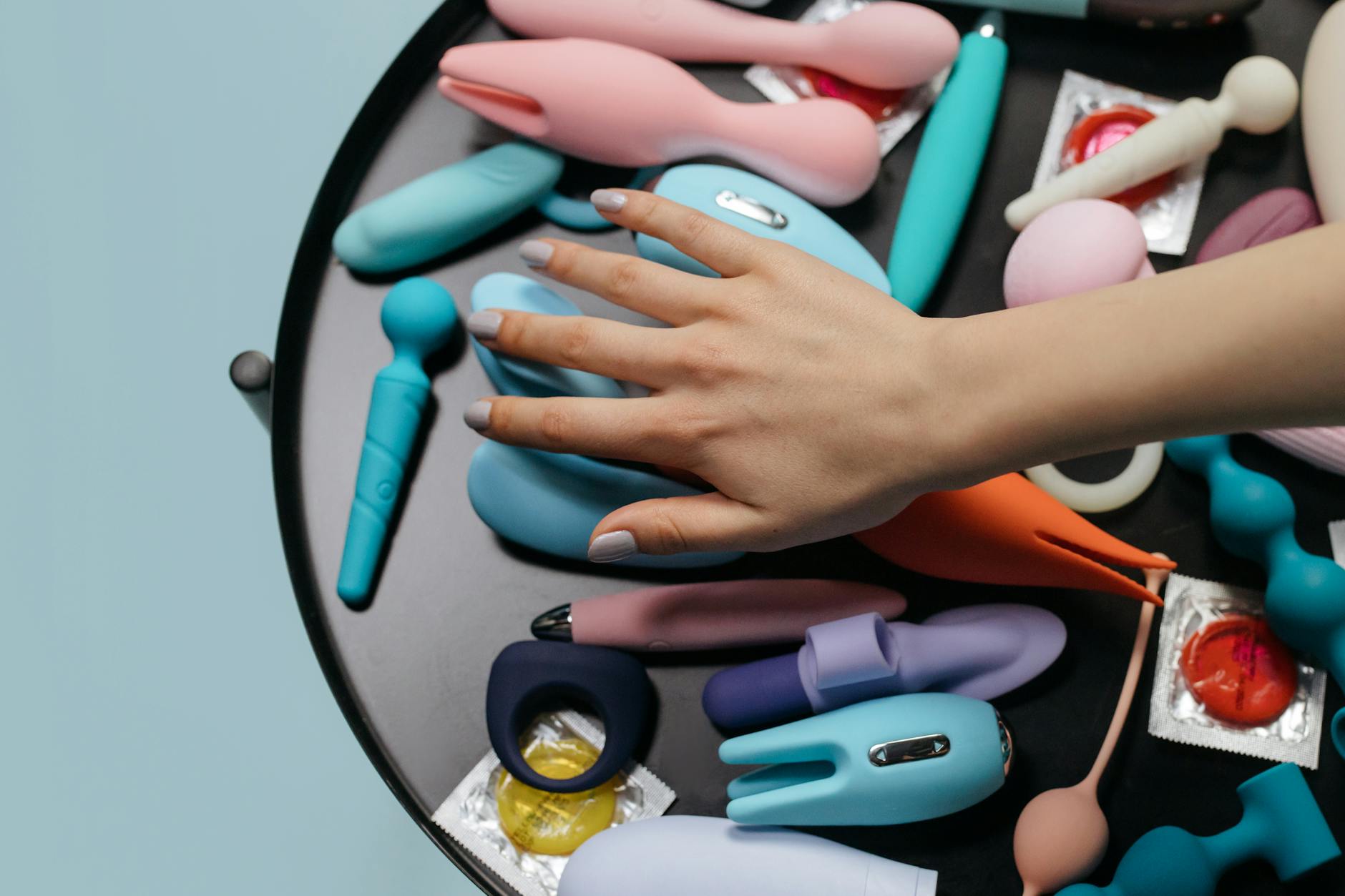
Let's talk about the first-time buyer paralysis
You've decided to explore lemon vibrators. Good. Then you land on a website, see seventeen options with different names, patterns, price points, and you freeze. Should you go cheap to test the waters? Spend more for "quality"? Try suction or vibration? Buy the most popular one everyone talks about online?
The truth is that most people approach their first lemon vibrator the way they'd buy a kitchen appliance. They look at specs, read reviews, and pick the one with the best marketing. That's backward. Your first vibrator isn't about features. It's about building confidence and discovering what your body actually responds to.
Why your first vibrator matters more than you think
Here's the thing nobody says clearly: your first experience shapes whether you'll explore more or feel discouraged entirely. Buy something too intense, too rigid, or just wrong for your body, and you might decide vibrators "aren't for you." That's not a fact about vibrators. That's a fact about fit.
I see this constantly in my practice. Someone tries one device, it doesn't work, and they assume they're broken or not responsive to that kind of stimulation. Nine times out of ten, it's just a mismatch between their body's needs and what the device was built to do. The lemon clitoral vibrator exists partly because so many people had bad experiences with wands that were too broad or too intense for their sensitive tissue.
The three questions to answer first
Before you buy anything, get honest about these.
Question 1: What kind of sensation are you drawn to? Do you want broad, diffuse pressure, or more concentrated, pinpoint stimulation? Do you like vibration, or are you curious about suction? These aren't trick questions. Think about what feels good in your body already. If you prefer subtle touch elsewhere, you probably don't want industrial-strength vibration. If you like intensity, a gentle device will frustrate you.
Question 2: Are you using this alone or with a partner? This changes the calculus. Alone, you have total control and can take your time exploring. With a partner, you might want something quieter, easier to incorporate into partnered activity, or less intimidating to introduce. Lemon vibrators tend to be quieter than many wand options, which matters if you're sharing space or if sound anxiety is part of your hesitation.
Question 3: How much are you willing to spend to figure this out? There's no shame in spending less on your first one. You're gathering data, not making a lifetime commitment. Budget-friendly doesn't mean low-quality. Some people find their perfect device at lower price points. Others need to spend more to get what works. Know your budget first so you're not second-guessing yourself after you buy.
Why lemon vibrators make sense for beginners
I recommend lemon sexual toys to new users more often than I recommend wands, and here's why.
Wands are broad. They're designed to distribute stimulation across a larger surface area, which feels amazing for some people and overwhelming for others. Lemon vibrators use suction and concentrated patterns, which means they're more targeted. That precision helps beginners because you can actually feel what's working and adjust accordingly. You're not fighting with a device that's too broad or too intense for your sensitivity.
Lemon vibrators are also forgiving on texture. Whether you're exploring for the first time, dealing with sensitivity, or rebuilding sensation after relationship challenges like those described in how lemon vibrators help rebuild pleasure after relationship trauma, the suction mechanism creates a completely different sensation than friction-based vibration. That difference matters because it lets you discover your preferences without the pressure of performing.
They're quieter than most wand vibrators, which reduces anxiety if you're self-conscious or sharing a space.
And honestly, the design is just less intimidating. Lemon adult toys look less clinical and more playful than some of the alternatives out there.
The specs that actually matter
Forget reviews that obsess over "12 intensity levels" or "whisper quiet at only 62 decibels." Here's what genuinely affects your experience.
Suction strength. If you're trying suction for the first time, you want something that lets you dial in gradually. Not every device does this well. Low intensity should feel like a gentle kiss. Medium should feel significant without being uncomfortable. High should be powerful but not painful. When you're testing, start at the lowest setting and go up from there.
Pattern variety versus simplicity. More patterns aren't inherently better. In fact, beginners often do best with a device that has 3-5 clear, distinct patterns rather than 15 variations that feel too similar. You want to easily find the ones that work and stick with them. Once you know your preferences, then you can explore more complexity.
Size and ergonomics. This matters more than people admit. If a device is too big, your hand gets tired. If it's too small, you lose control. If the handle isn't shaped right for your grip strength, using it becomes work instead of pleasure. Test the weight and shape in person if you can, or stick with brands that are transparent about dimensions.
Battery life. Most quality lemon vibrators get 1.5 to 2 hours of use per charge, which is more than enough for most sessions. Longer battery life is nice but not essential for a first device.
Common beginner mistakes (and how to dodge them)
Mistake 1: Buying based on price alone. The cheapest option isn't always a bad choice, but don't assume price equals quality or personal fit. A $40 device that you actually use beats a $120 device that sits in a drawer because it's too intense.
Mistake 2: Choosing based on what your friends use. Your friend's perfect device might feel completely wrong on your body. Different nerve endings, different preferences, different anatomy. Personal fit is exactly that: personal.
Mistake 3: Expecting it to feel like partnered sex. It won't. It shouldn't. Lemon vibrators create their own kind of sensation that's distinct from anything else. Go in curious, not comparing. If you're rebuilding pleasure after a break or easing back in after a long time, this is especially important. Let it be its own thing.
Mistake 4: Starting on high intensity. Please don't. Start low. You can always turn it up. You can't undo overstimulation in the moment. Your nervous system needs time to acclimate to new sensation.
Mistake 5: Buying in secret out of shame. This is a practical point. If you're worried about privacy, that's completely valid and there are ways to handle it. But don't let shame be your guide. You deserve to explore your own pleasure without feeling like you're doing something wrong. You're not.
What makes a "beginner-friendly" lemon vibrator
If you want a concrete framework, here's what to look for.
Simple controls. You should understand what each button does within 10 seconds. No learning curve.
Quiet operation. Anything under 50 decibels is quietly usable. This reduces anxiety and lets you relax into the experience.
Intuitively placed controls. If you have to fumble to change intensity mid-session, the device fails on this front. Good design means your thumb finds the plus button without thinking.
A shape you can grip comfortably for 10-15 minutes. Hand fatigue is a real buzzkill.
Good suction without pain. You should never feel like your skin is being pinched or pulled painfully. Gentle suction builds sensation. Aggressive suction is not more effective; it's just uncomfortable.
The role of lube, exploration, and patience
Your first session with any lemon vibrator should not aim for orgasm. That's not the goal. The goal is to explore and gather data: what patterns feel good, what intensity level is comfortable, how long you can use it before sensation dulls, what position works best.
Water-based lube helps even if you don't think you need it. It reduces friction, increases sensation, and makes the whole experience feel more intentional.
Give yourself at least 15-20 minutes of exploration before deciding anything. Arousal builds. Sensation deepens. The first two minutes are never the full story.
If nothing happens the first time, that's normal. Sometimes it takes a few sessions for your nervous system to settle and for you to find the rhythm that works for your body. That's not failure. That's learning.
When to upgrade and when to stick with your choice
You don't need to own five lemon vibrators. One good one, chosen with intention, will serve you well for years. But after a few months, you might notice that you want something different. Maybe you want more intensity. Maybe you want a different pattern type. Maybe you want to explore something you didn't think interested you before.
That's when you consider a second device. Not before. Not immediately. After you actually know what your body responds to.
If your first lemon vibrator works for you, you don't need anything else. "Upgrading" is not the goal. Pleasure and comfort are the goal. Some people find exactly what they need the first time and use it happily for a decade.
Frequently asked questions
How do I know if I'm actually compatible with lemon vibrators?
The only way to know is to try one, and the only way to try one fairly is to approach it without expectations. If you've used vibrators before and didn't enjoy them, that doesn't mean lemon vibrators won't work for you. The suction mechanism is genuinely different from traditional vibration. Give it a real try: start on low, take your time, use lube, and explore for at least three sessions before deciding it's not for you.
Should I buy online or try one in person first?
Most people buy online, which is totally fine. Reputable retailers have good return policies if something doesn't work out. If you live near a shop that carries lemon vibrators and you feel comfortable going in person, that's valuable because you can see the size and shape. But shipping is discreet. Either way is legitimate.
Is it weird to ask friends what they use?
Not weird at all. Your friends are probably dealing with similar questions. That said, use their recommendations as data points, not gospel. What works for them might not work for you, and that's fine. The fact that they recommend something just means it worked for their body.
What if I'm nervous about using a vibrator because of past trauma or shame?
That nervousness is valid and worth taking seriously. If you have a history of sexual trauma, you might benefit from working with a therapist who understands pleasure and consent. If it's shame, remember that your pleasure matters and you're not doing anything wrong. Start slow, use lube, and give yourself permission to stop at any moment. There's no rush.
Can my partner and I use the same lemon vibrator?
Yes, as long as you're both comfortable and it's clean. Use a toy cleaner or wash it with warm water and mild soap between uses. Many couples appreciate exploring with the same device because it becomes part of their shared experience.
What if the first one I buy doesn't work for me?
Send it back if it's within the return window. Most reputable brands offer 30-60 day returns, no questions asked. That's the whole point of a return policy: to help you find what actually works instead of wasting money on something that doesn't fit your body or preferences. Getting it wrong the first time is data, not failure.
The bottom line
Choosing your first lemon vibrator doesn't require research skills. It requires one honest conversation with yourself about what you want to explore and what would feel good on your body. Start with something that feels intuitive, gives you options to adjust intensity, and doesn't intimidate you. Then take your time exploring.
Your pleasure is worth this small amount of intentionality. When you find something that works, you'll know. And if the first one doesn't, you've just learned something useful about what you're looking for.
Want to talk through your options or have questions we haven't covered? Reach out. I'm here to help.