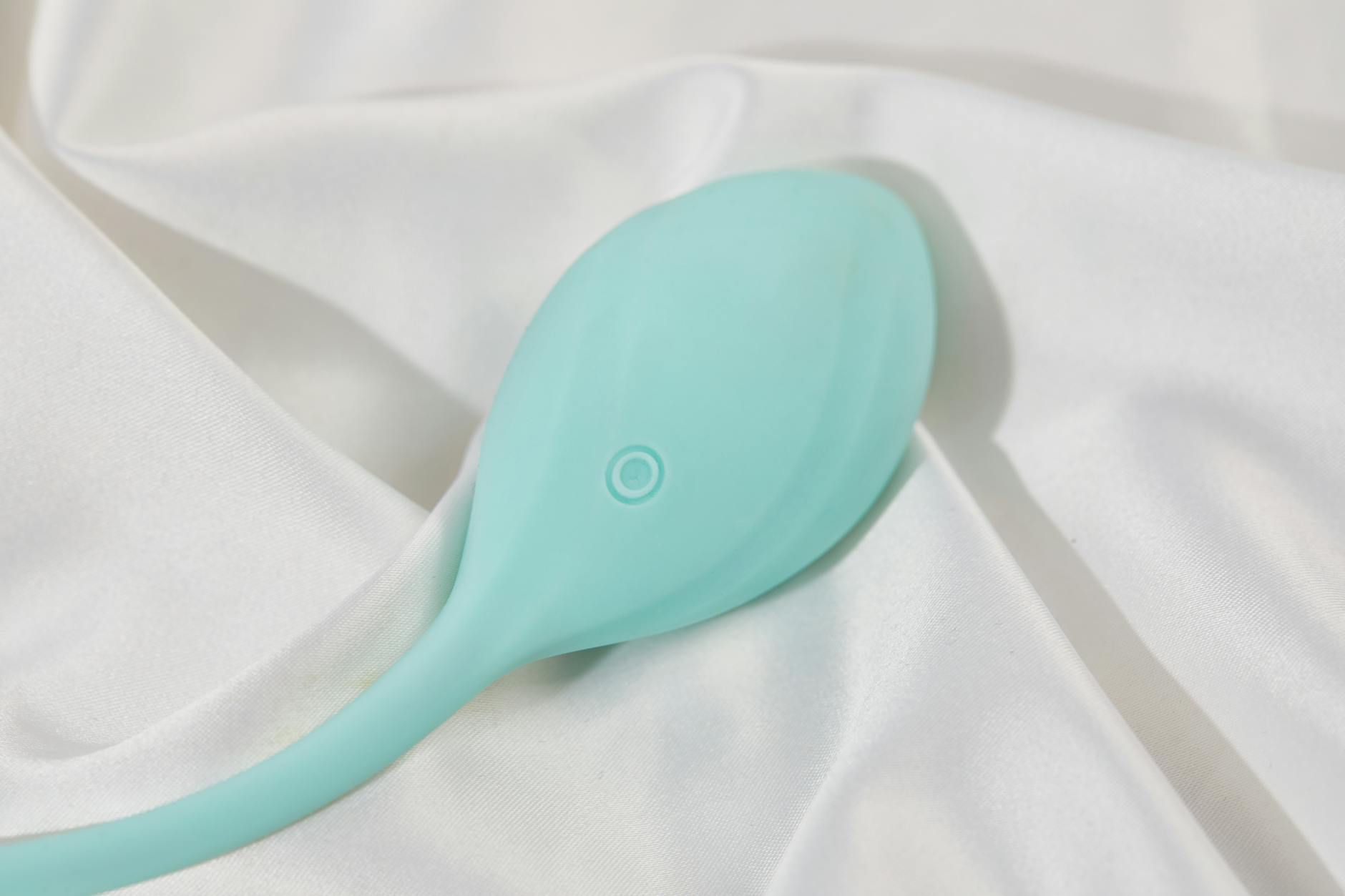
Let's name what's actually happening
Sexual avoidance isn't laziness. It's your nervous system saying no. Whether it started with a partner's pressure, a breach of trust, a painful experience, or years of feeling like sex was something happening to you instead of with you, the result is the same: touching feels like a threat, and desire vanishes because your body is trying to protect you.
The problem is that avoidance creates avoidance. The less you engage with pleasure, the harder it gets to access it. Your brain learns that sex equals stress. Your body forgets what arousal feels like. Then comes the guilt: "I should want this. What's wrong with me?"
Nothing is wrong with you. But something needs to change about how you approach rebuilding.
Why traditional toys often fail in this situation
When you're rebuilding after avoidance, most vibrators feel too aggressive. They require direct friction on tissue that's sensitized from stress. They mimic the pressure and intensity of partnered sex, which is the exact sensation your nervous system is trying to avoid. You use it once, your body tenses up, and you add it to the pile of things that "don't work."
This is where lemon vibrators change the equation.
Suction-based toys like the Lem work differently. Instead of buzzing against you, they create a gentle, rhythmic pulling sensation that stimulates nerves without friction. Think of it less like a vibrator and more like a different pathway to arousal altogether. For people rebuilding desire after avoidance, this distinction matters wildly.
The nervous system piece
When you've been avoiding sex, your nervous system is in a state of hypervigilance around touch. Your sympathetic nervous system (the fight-or-flight branch) has been activated so many times during sex that your body now equates sexual touch with threat. Arousal literally can't happen in threat mode.
Suction toys bypass some of that learned response because they feel novel. Your brain doesn't have the same association with a pulling sensation that it does with vibration or friction. You're not triggering the old neural pathway. You're creating a new one.
This is why starting with lower intensity settings matters. You're teaching your nervous system: "This touch is safe. This touch is for you. There's no performance expectation here."
Three ways lemon clitoral vibrators rebuild desire differently
1. Control returns to you. With a lemon suction toy, you can pause instantly. You can change intensity. You can explore sensation at your own pace without anyone else's rhythm or expectations overlapping yours. This agency alone rewires the arousal pathway because pleasure becomes something you're orchestrating, not something happening to you.
2. Sensation separates from pressure. Many people rebuilding after avoidance have learned to dissociate during sex. A lemon vibrator's suction sensation is distinct enough from partnered sex that it doesn't trigger that same dissociative response. You stay present because the sensation is unfamiliar and requires your attention.
3. Pleasure becomes stackable. Starting with a lemon vibrator solo teaches your body what arousal feels like in isolation. Once that baseline is re-established, adding a partner back into the picture feels less overwhelming because you already know what your own arousal looks like.
The practical rebuild protocol
Here's how I guide clients through this, and it works.
Week 1-2: Solo exploration only. Use the lemon vibrator alone, no partner present, no pressure to reach orgasm. Start at pattern 1. Spend 10-15 minutes just noticing sensation without expectation. If your mind wanders to guilt or obligation, name it ("There's that thought") and come back to the physical sensation.
Week 3-4: Build consistency. You're not chasing climax. You're teaching your body that this touch is safe. Use it 2-3 times a week. Notice if sensation is becoming more pleasurable. Notice if you're tensing less. These are the wins.
Week 5-6: Intensity exploration. Once patterns 1-2 feel safe, try pattern 3. You're gradually expanding your tolerance for sensation. This is nervous system recalibration, not performance.
Week 7+: Partner conversation. Before reintroducing a partner, have an actual conversation about what you're rebuilding and what you need. "I'm using a toy to reconnect with my own arousal. When I'm ready to include you, I'll need patience and no expectations about what that looks like." This conversation is the real work.
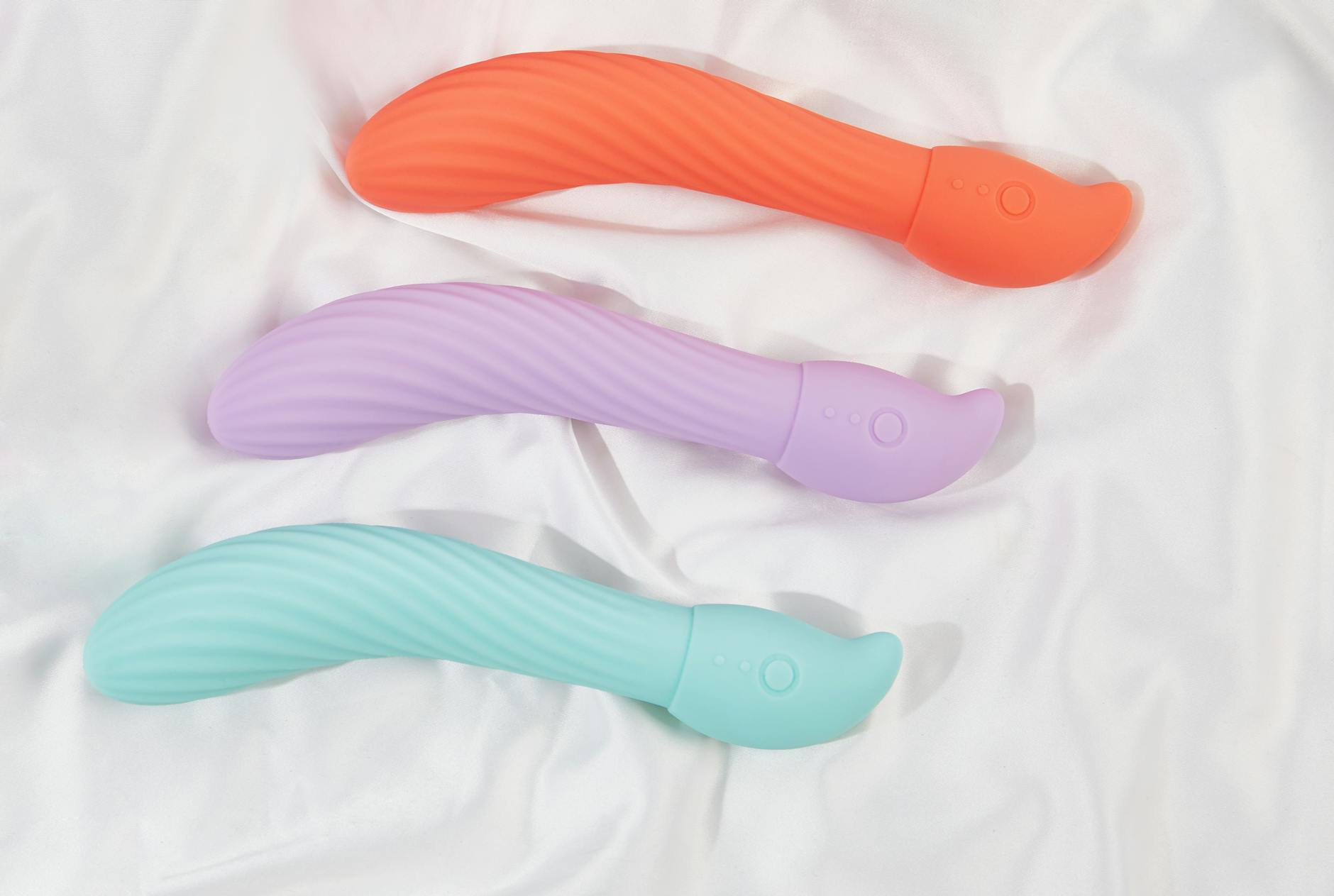
Photo by IFONNX Toys on Pexels
When to involve your partner
This is delicate. Avoidance often happens in relationships, and partners can either help or harm the rebuilding.
If your partner is pushing you to "just try" lemon vibrators together or to get over avoidance faster, that's a flag. Rebuilding desire requires patience that some partners don't have. If your partner is willing to step back, respect your timeline, and let you lead when and if you include them, you have something to work with.
Once you feel stable solo (usually 6-8 weeks), you can invite your partner into the process. This might look like: they're in the room but not touching you while you use the toy. Or you use it while they watch, with clear boundaries about what happens next. The key is that you remain in control.
If your partner can't respect these boundaries, that's information about the relationship itself, not about your ability to rebuild desire.
The difference between rebuilding and fixing
Let's be clear: a lemon vibrator doesn't fix avoidance. It's a tool, not a therapist. If your avoidance is rooted in trauma, a relationship breach, or ongoing coercion, you likely need actual therapy alongside this physical work.
But here's what the tool does do: it creates a bridge between "I don't want to touch or be touched" and "I can access pleasure on my own terms." Once that bridge exists, you have a foundation to rebuild from.
Many people find that rebuilding pleasure after relationship trauma requires both the nervous system work that lemon vibrators facilitate and the relational work that therapy or coaching provides. These work best in tandem.
What changes over time
I've seen clients go from "I can't imagine wanting sex again" to "I actually initiated this week and it felt good" in about three months. The change isn't sudden. It's a slow rewiring. Your body remembers that this specific sensation equals safety and pleasure, not pressure or obligation. That memory matters.
Some people never fully return to the exact same arousal they had before avoidance. But many report that the desire they rebuild is different in a good way. It's slower to ignite but more authentic. It's something they want rather than something they feel they should want.
The role of patience
Your nervous system didn't develop this avoidance overnight. It won't rewire overnight either. Every time you use a lemon vibrator and nothing bad happens, every time you experience pleasure without pressure, you're laying down a new neural pathway. That takes repetition.
The cruelest thing you can do in this process is set a deadline. "I should be back to normal by summer." You won't be, and then you'll blame yourself. What works is showing up consistently without an endpoint in mind.
People also ask
Can I use a lemon vibrator if I'm not sure I have sexual avoidance, just low desire?
Yes. Low desire has many causes, but the suction mechanism works well for anyone whose arousal is sluggish or who finds traditional vibrators too intense. The gentleness of the sensation makes it a good starting point for rebuilding any kind of desire.
How do I know if I'm ready to involve my partner?
You're ready when using the toy feels routine and you're consistently experiencing pleasure without anxiety. You don't need to be orgasming regularly. You need to be relaxed. That's the sign your nervous system is settling.
What if using the toy brings up difficult emotions?
That's normal and important data. Your body might release grief or anger that's connected to why avoidance started in the first place. Don't push through it. Pause, let yourself feel, and come back when you're ready. This is your nervous system processing, and it's part of healing.
Can I use lemon sexual toys if I'm still in the relationship that caused the avoidance?
Yes, but only if your partner is actively supporting your healing. If they're being dismissive, pressuring you, or blaming you for low desire, the dynamic itself needs to change first. You can't rebuild desire in an environment that created the avoidance in the first place.
Do I need to tell my partner I'm using a toy?
That depends on your relationship and your comfort. Some people rebuild privately and only share once they're ready to reintroduce partnered sex. Others prefer transparency. There's no right answer, but honesty tends to prevent the shame that can derail the process.
What if the toy doesn't feel good at first?
Give it time. Your body is used to numbness or dissociation around pleasure. Sensation might feel strange or even uncomfortable initially. Start at the lowest setting and just sit with it. You're not chasing a good feeling yet. You're normalizing the sensation. That comes first.
Next steps
If you're rebuilding desire after avoidance, you don't need to do this alone. Working with a therapist or coach alongside your solo exploration can help you navigate both the nervous system work and the relational piece. And if you're in a relationship, consider whether you need to have a serious conversation about what rebuilding actually requires. Your partner either supports this journey or they don't. There's no middle ground that works.
A lemon vibrator is just a tool. The real work is giving yourself permission to want pleasure again.