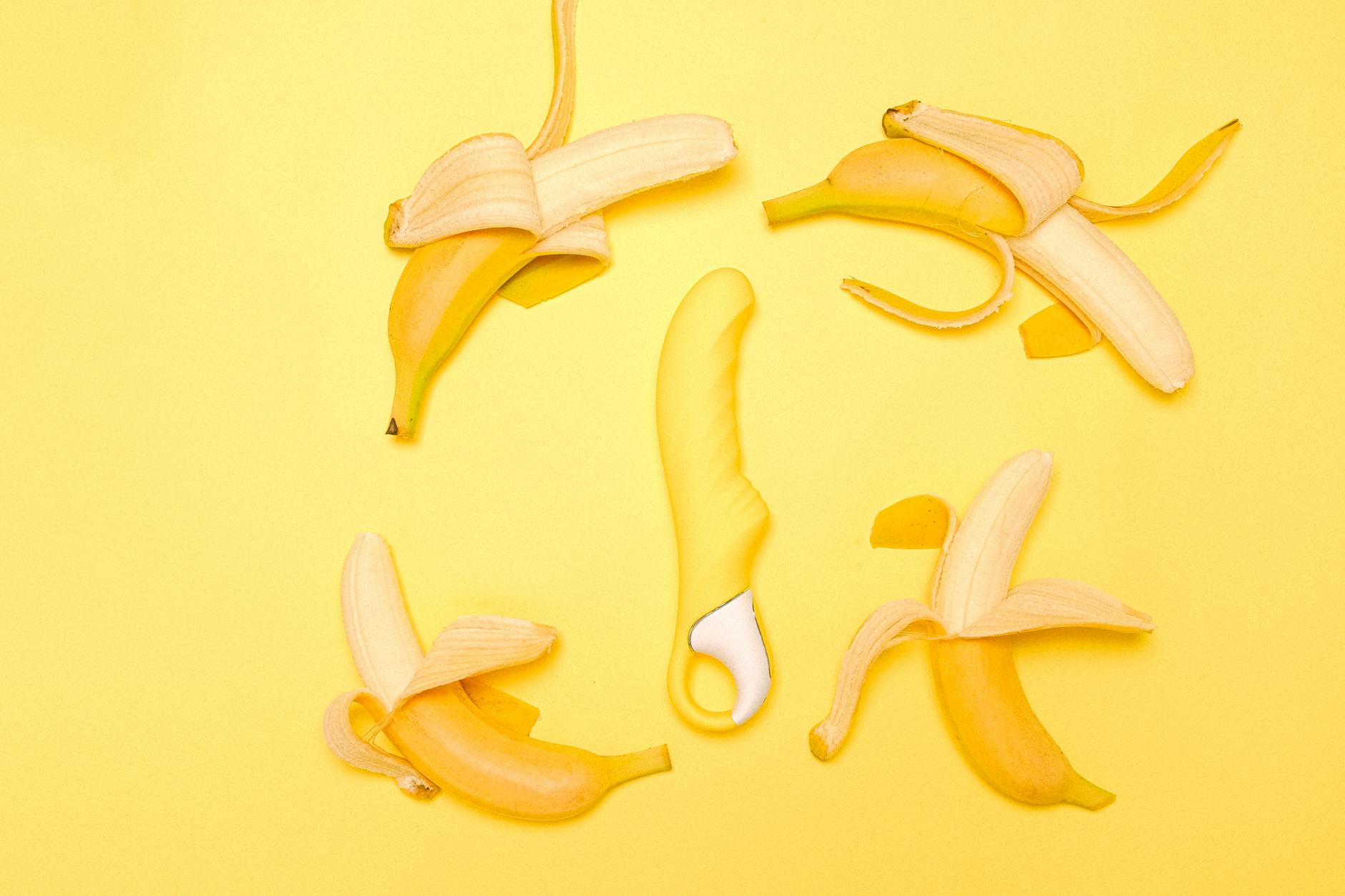
Here's what nobody tells you
Antidepressants save lives. They also change how your body feels pleasure. If you've started SSRIs or SNRIs and noticed that orgasms take longer, feel muted, or require way more stimulation to reach, you're not imagining it. This is one of the most common side effects nobody prepares you for, and it's fixable.
The good news: understanding what's happening neurologically helps you work with your body instead of against it. And tools like lemon vibrators are specifically designed for exactly this problem.
How SSRIs and SNRIs affect sensation
Antidepressants work by increasing serotonin availability in your brain. Serotonin is brilliant for mood regulation. It's also a neurotransmitter involved in orgasm, arousal, and genital sensation. When you increase serotonin, you get mood stability but often lose some edge on physical responsiveness.
Specifically, SSRIs (like sertraline, fluoxetine, paroxetine) and SNRIs (like venlafaxine, duloxetine) can delay or flatten orgasm, reduce genital sensation, and make arousal slower to build. Some people describe it as a blanket over their body. Others say everything feels numb from the waist down. Many report no orgasm at all.
This happens because these medications affect dopamine pathways too. Dopamine is crucial for desire and the reward sensation during orgasm. Less dopamine activity means less of that electrical spark.
The timing matters. Sexual dysfunction from antidepressants typically shows up within the first two to four weeks, though some people notice changes immediately.
Why lemon vibrators work better when you're on these medications
If friction-based vibrators aren't cutting it anymore, there's a reason. Traditional vibrators rely on direct pressure and rapid oscillation. When your sensory nerves are dampened by medication, you need something that works differently.
Lemon clitoral vibrators use suction technology instead. Suction doesn't depend on pressure or friction. It creates a gentle vacuum seal that stimulates the entire clitoral complex, not just the surface. For someone on an SSRI whose sensation has dulled, this is a game changer.
Here's the neurological part: suction activates a different set of nerve fibers than friction does. It's not trying to compensate for decreased dopamine with more intensity. It's bypassing the problem entirely by engaging sensation differently. Many people on antidepressants report that suction toys like the Lem feel more responsive than they expected, even when traditional vibrators feel like nothing.
The adjustment period isn't permanent
Many people panic after two weeks on antidepressants when orgasms disappear and assume this is forever. It isn't. Your body adapts. Typically, sexual side effects peak around week three to four, then improve as your brain chemistry stabilizes. By week eight to twelve, many people regain some baseline sensation.
That said, adaptation isn't guaranteed. About 60 percent of people on SSRIs experience some level of sexual dysfunction. About 40 percent of those see it resolve within a few months. The other 20 percent need intervention.
Intervention doesn't mean stopping your medication. It means adjusting your approach: timing sex for when medication levels are lowest in your bloodstream, switching to a medication with fewer sexual side effects, adding a medication that counteracts sexual dysfunction, or using tools designed for reduced sensation.
Timing and dosing matter more than you think
Here's something most doctors don't explain: the timing of your dose affects when sensation returns. If you take your SSRI in the morning, sexual sensation tends to peak around 12 to 18 hours later. Some people find that scheduling sex or using their lemon vibrator in the evening works better than trying in the morning.
Dosing also plays a role. People on lower doses of SSRIs typically experience less sexual dysfunction than those on higher doses. If you're on a high dose and sexual side effects are severe, talk to your prescriber about whether a lower dose is viable for your mental health. Sometimes it is.
Don't adjust dosing on your own. But do track when you feel most sensation. Your prescriber needs this information to help you problem-solve.
What helps while you're adjusting
Four practical things that work:
1. Switch to suction-based toys. If you've relied on friction vibrators, a lemon clitoral vibrator will feel radically different. The sensation builds differently. Give it three to five uses before deciding if it works for you. Your body needs to learn the new sensation.
2. Invest in good lubrication. Antidepressants sometimes reduce vaginal lubrication too. This compounds sensation loss. Water-based lubricant that's slick enough to minimize friction will help both comfort and sensation.
3. Extend warm-up time. Arousal takes longer when you're on an SSRI. Budget 20 to 30 minutes of foreplay or solo exploration instead of 5 to 10. Your body will respond, it just needs patience.
4. Talk to your partner if you have one. Communication is the most underrated tool. Your partner isn't failing you. Your body isn't broken. You're both adjusting to a new normal temporarily. Framing it this way changes everything.
When to ask your doctor for help
If sexual dysfunction from your antidepressant is severe and doesn't improve after 12 weeks, you have options. A good prescriber can discuss:
Switching medications. Some antidepressants have lower rates of sexual side effects. Bupropion, for example, is less likely to cause orgasm delay. Mirtazapine sometimes even increases desire. Switching isn't always possible depending on your mental health needs, but it's worth asking about.
Taking a medication holiday. Some people take a planned day off their SSRI on days when they want to have sex. This doesn't work for everyone and isn't safe for everyone. Your prescriber needs to guide this.
Adding a medication that counteracts the side effect. Buspirone or bupropion can sometimes restore sensation when taken alongside an SSRI. Again, your doctor decides if this is appropriate.
Trying a different approach entirely. Talk therapy, couples counseling, or working with a sex therapist can help you reconnect with pleasure in ways that don't depend on unchanged sensation.
The reality check
Your mental health medication is keeping you alive. Your sexual pleasure matters too. Both things can be true at the same time. You don't have to choose between stability and sensation, even though it feels that way in week three.
Most people find a path forward that doesn't require sacrificing either one. Sometimes that path involves different medication. Sometimes it involves adjusting your expectations temporarily. Sometimes it involves a tool like a lemon vibrator that works with your body instead of against it.
Experiment. Give things time. Talk to your prescriber. And know that this adjustment is temporary, even when it doesn't feel that way.
People also ask
How long do sexual side effects from antidepressants typically last?
Sexual dysfunction from SSRIs usually peaks in the first two to four weeks and often improves by week eight to twelve as your body adapts. Some people see improvement within days. Others take several months. If you haven't seen any improvement after three months, talk to your prescriber. Waiting longer than that usually means the side effect isn't going to resolve on its own.
Can I switch antidepressants to avoid sexual side effects?
Sometimes, yes. Bupropion and mirtazapine are associated with lower rates of sexual dysfunction. However, switching medications is a medical decision that depends on your specific mental health needs. Switching too quickly or without guidance can destabilize your mood. Have this conversation with your prescriber, not with yourself.
Do lemon vibrators work better than traditional vibrators when you're on antidepressants?
For many people, yes. Because suction-based lemon clitoral vibrators work through a different sensory mechanism than friction vibrators, they often feel more responsive when sensation is dampened. That said, everyone's body is different. Some people find that increasing intensity or duration works fine. Try different approaches before deciding what works for you.
Will using a lemon vibrator make sexual side effects worse?
No. Using any kind of sexual device won't worsen antidepressant-related sexual dysfunction. If anything, consistent stimulation can help maintain sensation and blood flow. The only reason to avoid vibrators is personal preference or if penetrative sensation is painful, which is rare with clitoral toys.
Is there a best time of day to use a lemon vibrator while on antidepressants?
Yes. Sexual sensation tends to be highest 12 to 18 hours after you take your morning dose of SSRI. So if you take your medication at 8 a.m., you might have the most sensation around 8 p.m. to midnight. Experiment with timing to find your peak window. This small shift can make a huge difference in how responsive you feel.
What if I want to have sex with my partner but sensation is too dulled?
Talk to your partner about what you're experiencing. Then try extending foreplay, switching positions, using lubricant, and considering how long you need for arousal to build. Some couples find that toys like lemon vibrators work better incorporated into partnered sex than solo use. Others find that partnered touch and emotional intimacy matter more than sensation alone during this adjustment period.
The path forward
Antidepressants work. They also change your body temporarily. Understanding why sensation shifts, how long it typically lasts, and what tools work best gives you agency in your own experience. You're not broken. Your medication isn't failing you. You're just in an adjustment period that most people navigate successfully.
If you want support thinking through your options, our team at Hello Nancy is here to help. Reach out anytime at our contact page.