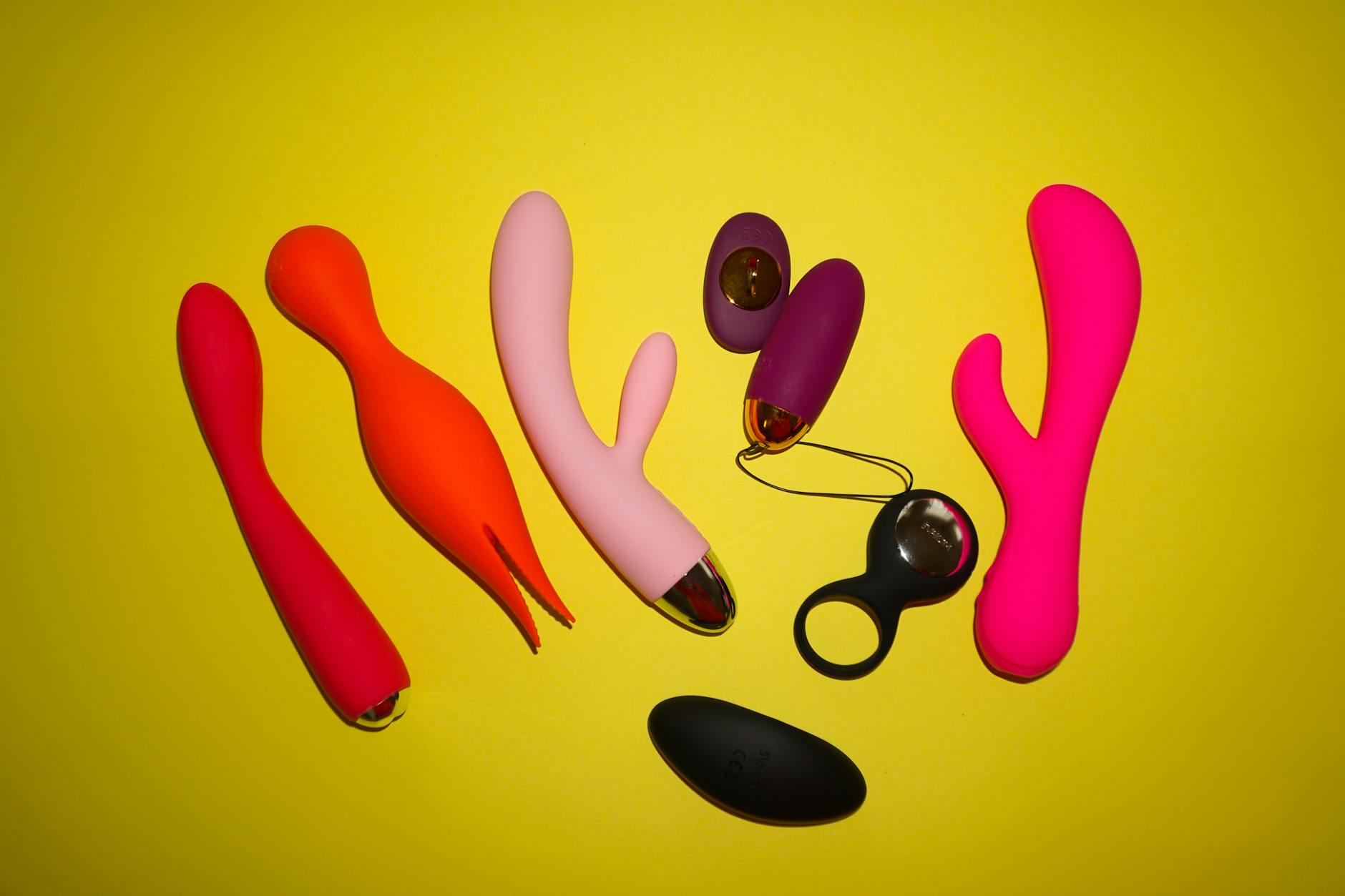
Why everything feels different right now
Menopause changes sensation. That's not a fear or a rumor. That's biology. Estrogen drops. Testosterone drops. The tissue lining your vulva gets thinner. The way your nervous system responds to stimulation shifts. And yes, that means vibrators feel different too.
But here's the part nobody talks about clearly: different is not worse. It's just different. And once you understand what's happening, you can work with your body instead of against it.
What estrogen drop actually does to sensation
Estrogen isn't just about fertility. It maintains tissue thickness, blood flow, and lubrication throughout the pelvic region. When estrogen levels fall during menopause, a few physical changes happen:
The vaginal tissue becomes thinner and more delicate. This means direct, high-intensity stimulation can feel too intense, almost raw. The clitoris doesn't shrink, but the tissue surrounding it does, which can change how vibrations travel and register in your nerve endings. Arousal takes longer because the body needs more time to increase blood flow and lubrication naturally.
Most importantly: none of this means sensation disappears. Your clitoral nerve density stays the same. Your brain's capacity for pleasure doesn't change. The neural pathways that create orgasm are still there and still functional.
What's changed is the delivery system. And that's where the design of a tool like the Lem vibrator becomes relevant.
Why air-suction lemon vibrators often feel better postmenopause
Traditional vibrators work through rapid back-and-forth vibration against tissue. When tissue is thinner and more sensitive, that direct friction can feel uncomfortable or overstimulating.
Lemon clitoral vibrators use air-suction technology. Instead of friction, they create a gentle seal and rhythmic suction that stimulates the full clitoral complex, not just surface tissue. This means:
Less direct pressure on sensitive tissue. The suction distributes sensation across a broader area rather than concentrating it at one point. Deeper stimulation of the whole clitoral structure, including the internal bulbs that sit under the surface. For many people postmenopause, this feels more natural and more intense at the same time, because you're engaging the whole anatomy instead of just the exposed part.
You also have more control. Most lemon clitoral vibrators have pattern options ranging from gentle to intense. You can start at pattern one, warm up gradually, and work up to stronger sensations. That's not true of all vibrators.
The role of lubrication and warm-up time
One of the biggest adjustments people notice after menopause is that natural lubrication takes longer or feels lighter. This is physiological, not a sign of dysfunction.
Lubricant isn't a patch or a workaround. It's a tool that helps your body do what it's trying to do anyway. Using water-based lubricant before and during stimulation serves two purposes: it protects thinner tissue and it allows sensations to travel smoothly without friction discomfort.
Warm-up time also matters more. Before menopause, some people could go from zero to arousal in a few minutes. Postmenopause, budget 15 to 25 minutes. This isn't laziness or loss of desire. Arousal is a process that depends on blood flow, and blood flow takes time to build. Many people find that longer warm-up actually creates more intense sensation when they do reach peak arousal.
Start at a lower pattern intensity on your Lem vibrator or other clitoral vibrator. Move up gradually. Let your body signal what feels good instead of jumping straight to the intensity that worked three years ago.
Emotional and relational shifts that affect sensation
Menopause doesn't happen in a vacuum. It often arrives alongside other life changes: kids becoming independent, relationship dynamics shifting, career transitions, aging parents, or grief. All of those can affect how sensation registers in your body.
Stress and distraction physically dampen arousal. When your nervous system is in alert mode, blood isn't flowing to your genitals as readily. Anxiety can make tissue tension increase, which makes touch feel less pleasant. If you're grieving a loss of fertility or navigating a shift in how you see yourself, pleasure can feel complicated emotionally even when your body is physically capable.
This is important: some of what feels like a physiological change is actually an emotional or relational one wearing a hormonal disguise. The best approach is to separate those conversations. "My body is responding differently" is not the same topic as "I want us to reconnect as a couple." Mixing them creates confusion.
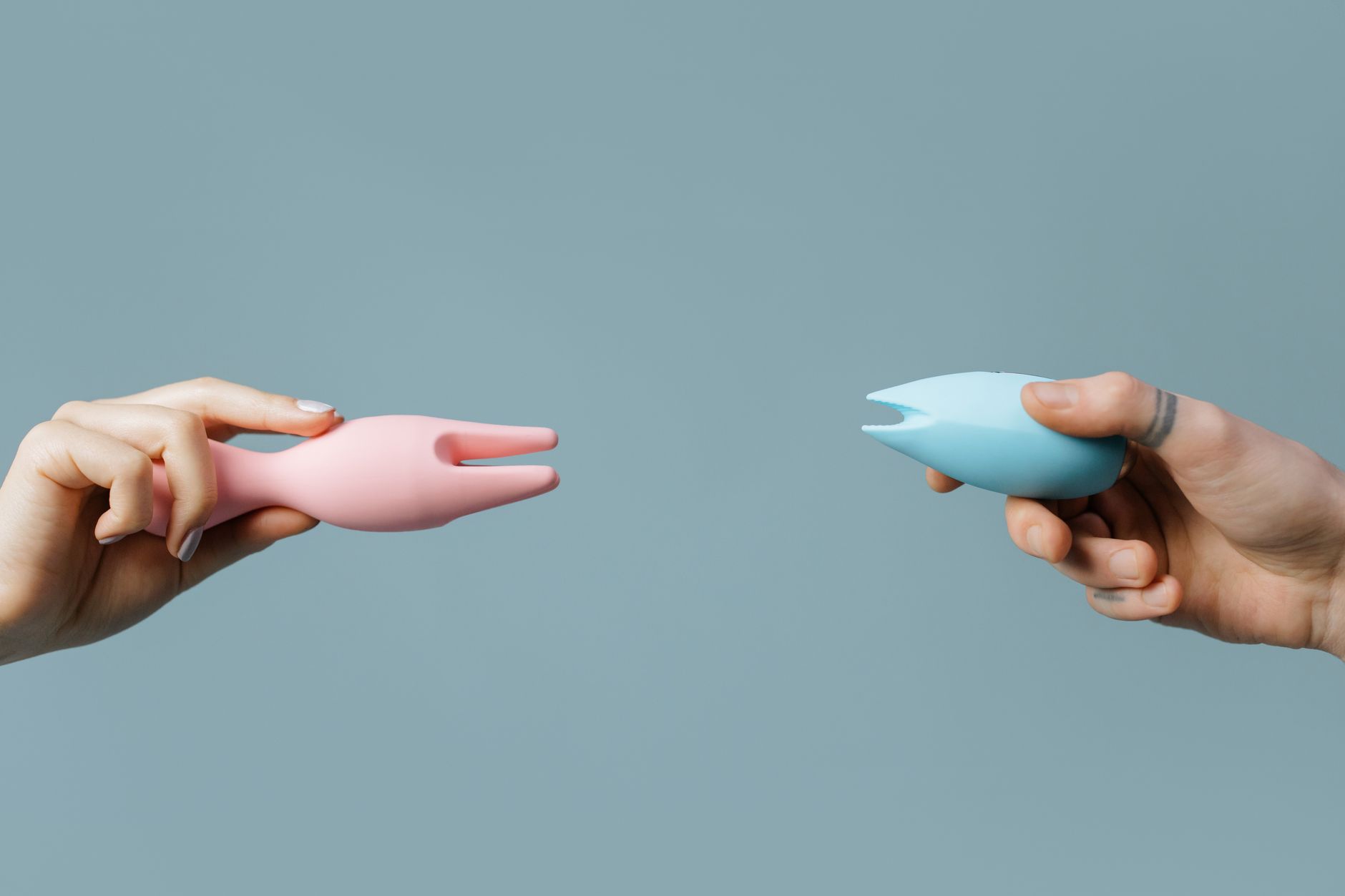
Photo by cottonbro studio on Pexels
How pelvic floor changes affect vibrator sensation
Your pelvic floor muscles support the entire pelvic region. Estrogen helps keep those muscles flexible and responsive. When estrogen drops, pelvic floor tension can increase even without deliberate clenching. This changes how vibration feels.
A tight pelvic floor can actually reduce sensation because the muscles are braced instead of responsive. Counterintuitively, learning to relax the pelvic floor deeply often creates more intense sensation than any amount of Kegel exercises.
One way to work with this: before using a lemon vibrator, spend a few minutes breathing into your pelvic floor. Inhale and imagine the muscles softening and widening. Exhale and let them release further. This takes pressure off the region and allows sensations to register more clearly.
If you're having pain during stimulation (not just discomfort, but actual pain), that's worth discussing with a menopause-informed healthcare provider. Genitourinary syndrome of menopause is treatable, often with topical estrogen that has minimal systemic absorption.
Why postmenopause orgasms can actually feel stronger
Here's what I see repeatedly in conversations with people navigating this transition: once they adjust their approach, many report that orgasms feel more intense, more localized, and more satisfying than they did before menopause.
Three reasons this happens:
First, mental load lifts. The cognitive energy that went into managing fertility, hormonal cycles, and social expectations about aging and sexuality becomes available for pleasure itself. You're not half-distracted by whether your birth control is working or whether you're "too old" for this.
Second, you often have better information now. You know what you like. You know what doesn't work. You're less likely to be performing pleasure for a partner and more likely to be pursuing it for yourself. That shift alone changes everything.
Third, if you're using a tool like a lemon clitoral vibrator designed for your current anatomy, you're working with your body instead of against it. A tool that's calibrated for thinner, more sensitive tissue can actually reach parts of the clitoral structure that standard vibrators miss.
When to get professional support
If you're experiencing pain with stimulation, see a menopause-trained healthcare provider. Genitourinary syndrome of menopause is common, real, and highly treatable. Topical estrogen creams can make a significant difference in weeks.
If you're noticing significantly lower desire than you had before and it's not improving with time, that's also worth discussing. Low testosterone in postmenopause is a thing, and testosterone replacement therapy exists. It's prescribed more cautiously in some regions than others, but it's an option worth knowing about.
If you and your partner are struggling to reconnect around physical intimacy during this transition, couples counseling or sex therapy can help clarify whether it's a desire mismatch, a communication gap, or a physiological adjustment that needs a different approach.
FAQ: Common questions about sensation and vibrators after menopause
Why do lemon vibrators feel gentler than they used to?
Because your tissue has changed. Estrogen loss means thinner, more sensitive tissue, so the same intensity that felt pleasant at 45 might feel sharp at 55. Lower-intensity patterns on clitoral vibrators often feel better postmenopause. Starting at pattern one or two instead of jumping to maximum is usually the move.
Is it normal to need lubricant when I didn't before?
Completely normal. Estrogen supports natural lubrication, and when estrogen drops, your body produces less. Lubricant isn't a sign of dysfunction. It's a tool that helps sensation flow smoothly. Use it generously.
Can I still have orgasms after menopause?
Yes. Your orgasm capacity doesn't disappear. The neural pathways are still there. What might change is how long warm-up takes and what type of stimulation feels best. Many people find that air-suction lemon clitoral vibrators work better than wand vibrators postmenopause because of how the sensation is distributed.
Does hormone replacement therapy change how vibrators feel?
It can. If you start HRT, tissue will gradually regain some thickness and lubrication. This might mean that sensations feel different again as your body adjusts. Many people find that the combination of HRT and the right vibrator tool creates the best experience.
What if I've completely lost interest in pleasure?
That might be hormonal, but it might also be relational, emotional, or related to other medications. If desire has dropped significantly, it's worth talking to both your doctor (to rule out other hormone changes or medication interactions) and potentially a therapist (to explore relational or emotional factors). Pleasure matters. It's worth investigating.
Should I try a new vibrator or adjust how I use the one I have?
Both. You might find that a lemon clitoral vibrator with adjustable intensity patterns works better than what you used before. You might also find that using a lower pattern, taking more warm-up time, adding lubricant, and relaxing your pelvic floor changes the experience significantly. Try adjusting your approach first, then try new tools if that doesn't help.
What actually matters right now
Menopause changes pleasure. It doesn't end it. The tissue changes. The arousal timeline shifts. The emotional landscape often becomes less complicated. Your desire might reorganize itself around what actually feels good to you instead of what you think should feel good.
If you're exploring pleasure after menopause, start with curiosity instead of assumptions. Your body isn't broken. It's different. And different, once you understand it, often turns out to be richer than what came before. Give yourself time. Use the right tools. And remember that sensation at 55 can be just as intense and just as worth pursuing as it was at 35.
If you have questions about how to navigate this transition in your relationship or want to explore what tools and approaches might work best for your body, get in touch. I'm here to help you figure this out.