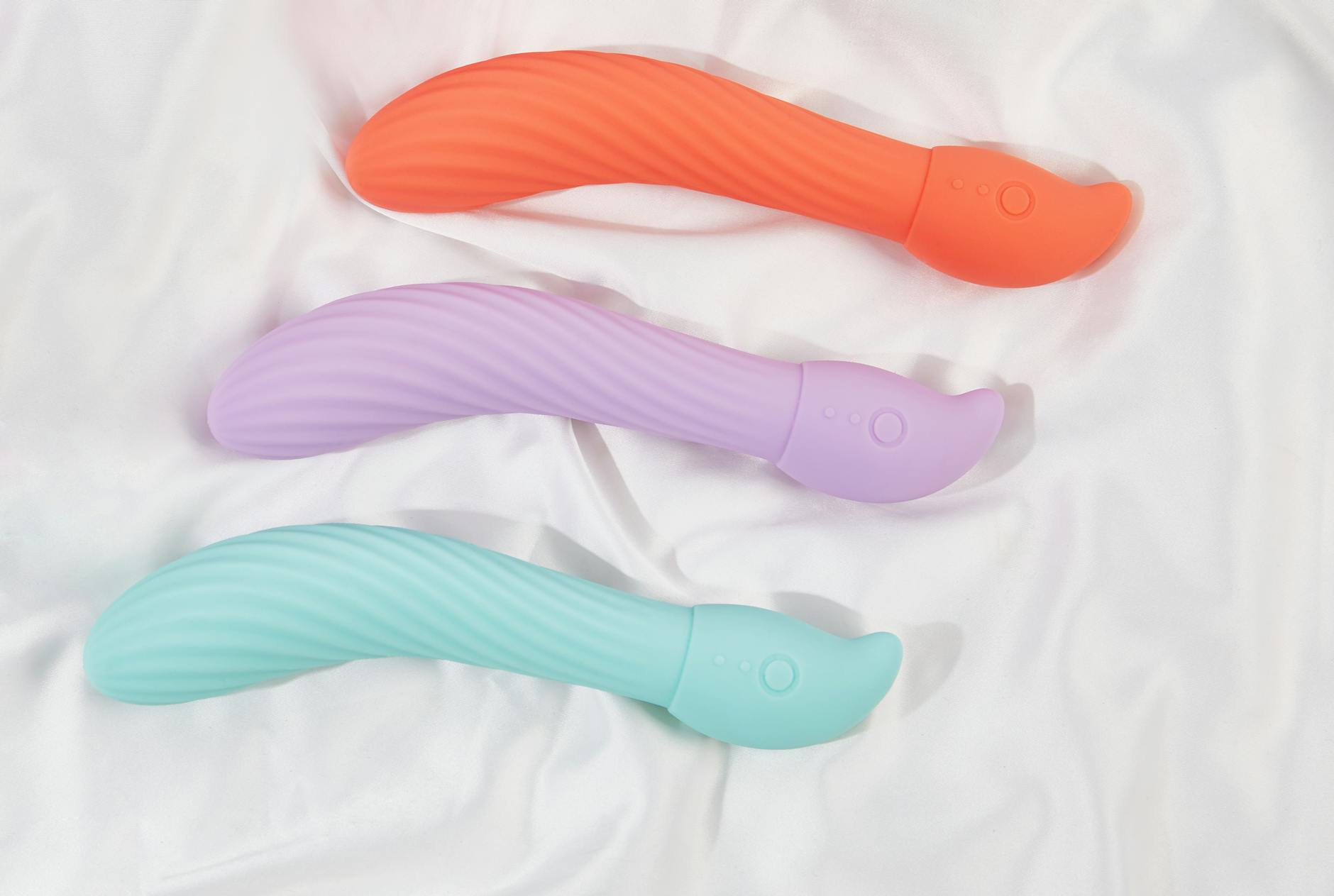
Let's talk about the invisible elephant in the bedroom
You started an SSRI last month. Or you changed your blood pressure medication. Or you've been on the same antipsychotic for two years and suddenly your body just feels... numb. And now when you reach for the same toy that used to work, it does almost nothing.
Here's what's happening: it's not you. It's not your imagination. And it's probably not permanent. But it does mean the way you access pleasure needs to shift, often dramatically.
How medications actually change sensation
Sexual side effects from psychiatric and cardiovascular medications are real, common, and almost never discussed until you're already frustrated. SSRIs, SNRIs, and certain antipsychotics can dull genital sensation by reducing dopamine and noradrenaline in the peripheral nervous system. Blood pressure medications restrict blood flow. Antihistamines dry mucous membranes. Beta-blockers slow your heart rate, which slows arousal.
The effect isn't always obvious at first. You might notice that traditional vibrators feel weaker, that orgasm takes longer to arrive, or that sensation feels muffled even when you're mentally excited. Some people describe it as sensation being "behind glass" or "at a distance."
The clitoral nerve (the pudendal nerve) is responsible for most external sensation. It doesn't go numb in the way a foot falls asleep, but its responsiveness flattens. Friction-based vibrators depend entirely on sustained, localized pressure to build sensation over time. If your baseline sensitivity is reduced by 30 or 40 percent, a friction toy becomes less effective almost exponentially.
That's where suction works differently.
Why lemon vibrators bypass the numbness problem
A lemon clitoral vibrator uses suction and gentle pulsing rather than direct friction. Suction stimulates a much larger area of nerve tissue at once, creating what I think of as a "louder signal" to your nervous system.
Here's the simple version: imagine trying to hear a whisper in a noisy room versus someone tapping you on the shoulder. Friction vibrators are the whisper. They rely on precise, localized sensation that gets harder to detect when your nerve responsiveness is dampened. Suction toys create a pattern that's impossible to miss because it activates broader tissue engagement and creates a rhythmic pressure wave that works even when point-sensation is dulled.
In my work with couples navigating medication transitions, I've noticed that partners who switch to suction toys like the Lem often find their pleasure returns quickly, even though nothing else has changed. The medication is still there. The numbness is still present. But the toy communicates with the body in a language it can still understand.
The timeline thing nobody mentions
Most people assume medication side effects are instant and permanent. Actually, they're neither. The sexual side effects of SSRIs often peak around week three and can improve significantly by week eight. Some people's bodies completely adapt by month four. Others don't.
Switching to a different medication in the same class sometimes helps. Lowering the dose sometimes helps. Taking it at a different time of day (morning versus evening) sometimes helps. And sometimes you just have to wait.
While you're waiting, don't assume your old tools will work the same way. Buy or borrow a lemon suction toy and experiment. You're not starting from zero. You're learning how your medicated body experiences pleasure, which is actually useful information even if your medication changes later.
What to adjust besides the toy
Yes, switching to a lemon clitoral vibrator helps. But that's one piece. Here's what else matters:
Warm-up time doubles. Don't budget five minutes. Budget fifteen to twenty. Medicated bodies need longer to build arousal, and that's fine. It's not broken. It just requires patience.
Lube becomes non-negotiable. Even if you've never needed it before. Medications that affect sensation also tend to affect natural lubrication. Water-based lube designed for sensitive skin (no glycerin, no warming agents that might numb further) makes a real difference.
Incorporate touch that isn't about the toy. Sensation dulling is often most obvious in genital areas and least obvious in less stimulated zones. Your neck, your inner thighs, your breasts might feel nearly normal. Spend time there first, building arousal through non-genital touch before you bring the lemon vibrator in.
Mental engagement matters more. When sensation is muted, your mind carries more of the load. That can mean erotica, fantasy, partnered dirty talk, or whatever gets your attention fully present. The brain is an organ of pleasure too, and medications affect it differently than they affect nerve endings.
The conversation with your prescriber
Here's the hard part: most doctors don't ask about sexual side effects, and most patients don't bring it up. That's backwards. Sexual function is a legitimate measure of quality of life and medication tolerability.
When you see your doctor next, say this: "I've noticed my sexual response has changed since starting this medication. Can we talk about whether there are alternatives, or whether there's a dose adjustment that might help?"
Don't apologize. Don't minimize it. Don't frame it as "nothing serious." It is serious. Pleasure matters. There are often solutions. Common options include:
Switching to a different medication in the same class (sometimes one SSRI causes sexual side effects and another doesn't). Adding a medication that counteracts the side effect. Adjusting timing or dose. Or sometimes, deciding that this medication is right for your mental health despite the sexual side effect, and then getting creative with tools and techniques.
A good prescriber will have this conversation with you. If yours doesn't, find one who will.
When sensation returns (spoiler: it often does)
If your medication side effects are temporary, your sensitivity usually comes back gradually. Orgasms might feel less intense for a while, then more textured, then eventually as strong as before. This can take anywhere from six weeks to six months depending on the medication and your body.
Here's the weird part: people who've used <a href="/blog/why-lemon-vibrators-beat-friction-based-toys-for-extended-pleasure-sessions">lemon vibrators during this transition period often stick with them</a> even after sensation returns. There's something about suction that many bodies prefer, even when friction-based toys work again. You might find that you're mixing both kinds now, or that you've actually discovered a new way of experiencing pleasure that feels better than your old baseline.
Real talk on patience and partnership
If you have a partner, this is a moment that can either deepen you or create resentment, depending on how you handle it. The medication isn't something you chose lightly. Your partner's experience of being wanted matters. Your pleasure matters. Those things aren't in conflict, but they can feel like they are.
Separate the conversation. "My body is responding differently to medication" is different from "I want us to find what works right now." Confusing them turns both into dead ends. You might <a href="/blog/how-to-use-lemon-vibrators-with-a-partner-who-has-different-sensitivities">explore lemon vibrators together as an experiment in pleasure, not as a solution to a problem</a>. You might build in longer foreplay. You might have sex more frequently in shorter bursts rather than longer sessions.
Many couples find that this forced slowdown and attention actually improves their intimate life.
FAQ: Medication and lemon vibrators
Why does my antidepressant make pleasure feel distant?
SSRIs and SNRIs affect dopamine and noradrenaline in your nervous system, including the peripheral nerves that carry sensation from your genitals to your brain. The signal gets quieter, not gone. That's why suction toys work better than friction-based ones during this period: they create a louder, broader signal that still gets through the dulling.
Will my sensation come back if I switch medications?
Often, yes. Sexual side effects are one of the most common reasons people switch within the same medication class. Some antidepressants have lower sexual side effect profiles than others. Talk to your prescriber about options. It might take a few weeks after switching to notice improvement, but many people regain their baseline sensation within two to three months.
Can I use a regular vibrator if I'm on medication that affects sensation?
You can try, but you might be frustrated. Friction vibrators depend on localized nerve sensitivity that's often reduced by medications affecting dopamine and noradrenaline. A lemon clitoral vibrator's broader suction pattern works better when sensation is dampened. It's worth experimenting with, especially since you're already adjusting.
Is it normal that everything feels numb down there after starting medication?
It's common, but not everyone experiences it. About 40 to 60 percent of people on SSRIs report some sexual side effects, but the severity and which specific functions are affected varies wildly. Some people lose sensation. Others lose desire. Others can still orgasm but it takes longer. If numbness is extreme or distressing, that's worth mentioning to your prescriber.
Does lube help if medication has dulled sensation?
Yes, but for different reasons than in non-medicated situations. Lube helps reduce friction and allows you to use tools like lemon vibrators more comfortably for longer periods, which can help build sensation over time. It won't fix the numbness, but it removes a barrier that might make you give up too quickly.
Should I tell my partner my medication is affecting my pleasure?
Absolutely. Frame it as information, not blame. "My body is processing this medication and my sensation is a bit muted right now" is useful. "Nothing feels good anymore" is scary and unclear. The first opens a door to problem-solving together. The second shuts doors.
The bottom line
Medications that affect your nervous system can absolutely change how you experience pleasure. That's real and worth taking seriously. It's also usually not permanent, and it's almost always navigable with the right information and tools.
A lemon clitoral vibrator works differently than a friction toy, and that difference often makes it the better choice when sensation is dampened. But the bigger piece is patience with your body, honest conversation with your prescriber, and honest communication with any partner you have.
Your pleasure matters. Your mental health matters. Both can exist at the same time, even when they feel like they're in conflict. The tools and knowledge are there. You just have to use them.