
The truth nobody tells you about pleasure after 50
Let's be real. At 50, your body is not the same as it was at 25. But here's what everyone gets wrong: that doesn't mean pleasure gets smaller. It often gets better, stranger, more interesting. Your nervous system knows things it didn't know before. The problem isn't your body. The problem is that nobody talks about this stuff, so you think you're broken when you're actually just different.
After decades of clinical work with couples navigating midlife and beyond, I've seen this pattern repeatedly: people assume their pleasure is fading when what's actually happening is their bodies need slightly different tools and timing. Understanding that difference is everything.
What actually changes in the body
Estrogen declines. This is the main event, and it's not a secret, but most sources get the implications wrong. Lower estrogen means tissue becomes thinner and less elastic, especially in the vulva. Lubrication takes longer to arrive and may be less abundant. Blood flow to the genital tissue changes, which means arousal builds on a different timeline than it used to.
There's also testosterone involved. Yes, people with vulvas produce testosterone, and it drops too. This hormone is a major contributor to desire in everyone, so a decline in testosterone can mean desire feels less urgent, less insistent. For some people that's a relief. For others it feels like something is missing.
The nervous system also shifts. Your clitoris doesn't lose sensation, but the kind of stimulation that worked at 30 may feel too intense or not quite right at 55. The pelvic floor muscles get less elastic support from estrogen, which changes how orgasms feel. Some people describe them as more located, more concentrated. Others say they're quieter but deeper.
Here's what doesn't change: the neural wiring for arousal is still there. The clitoral nerve density doesn't disappear. Your brain's capacity for pleasure is intact.
Why lemon vibrators work so well after 50
This matters because lemon clitoral vibrators like the Hello Nancy Lem are engineered for the specific kind of stimulation that often works better on mature tissue. Unlike traditional vibrators that rely on high-frequency buzzing, lemon suckers use air-pulse technology that creates a gentle suction sensation. That approach has real advantages for bodies over 50.
First, suction doesn't require the same kind of direct friction that can feel too intense on thinner tissue. The Lem, for example, creates a seal around the clitoris and pulses air, which stimulates nerve endings without harsh contact. For anyone whose clitoris has become more sensitive to direct touch, that's a game-changer.
Second, lemon vibrators tend to work well with the slower arousal timeline that comes with age. You need longer warm-up time after 50, and suction-based lemon sexual toys actually reward patience. Spend 20 minutes with low-intensity patterns, and the body catches up in ways that faster, more aggressive vibration won't achieve.
Third, there's less risk of overstimulation. A clitoral vibrator running at maximum intensity can numb sensation quickly, especially on tissue that's already dealing with reduced blood flow. A lemon sucker with adjustable patterns lets you dial intensity in a way that builds sensation instead of deadening it.
The role of lubrication (and when to use it)
If tissue is thinner and lubrication is less abundant, the obvious answer is lubricant. Yes. Use it. But here's the part people miss: timing matters.
If you're waiting for natural lubrication to arrive before using lube, you're making the whole experience harder than it needs to be. Instead, apply water-based lubricant at the beginning of arousal, not as a sign that something's wrong. Think of it as part of foreplay, not a bandage for dysfunction.
One thing I tell my clients: silicone-based lube feels thicker and richer, but it can damage silicone toys. Stick with water-based unless you're using glass or stainless steel. For a lemon clitoral vibrator, water-based is the safer choice.
Also, the type of lubrication matters. Hyaluronic acid-based lubes are gentler on tissue that's thinner. Glycerin-based lubes can feel sticky and leave residue. Water-based is reliable and clean.
Arousal timing and what to expect
At 25, arousal might take five minutes. At 55, expect 15 to 25 minutes. That's not a loss. That's information. The body is telling you to slow down.
This is actually where partnerships shift in really interesting ways. If you've been having sex the same way for 20 years, the shift in your body's timeline can feel like an interruption. But couples who reframe it as permission to explore longer foreplay often say it's revived their intimacy in ways they didn't expect.
When you're using a lemon vibrator after 50, build in time. Start with patterns 1 or 2 on the device. Let the suction work gently for several minutes before increasing intensity. Your clitoris will respond, but it's responding on your body's actual timeline, not on a schedule that made sense at 30.
The mental part (which is bigger than the physical part)
I want to be clear about something: the biggest barrier to pleasure after 50 isn't biology. It's belief.
You've spent decades absorbing messages that sexiness is young. That pleasure declines. That after a certain age, you should be grateful if your body works at all. Those narratives are doing real damage, and they're completely false.
Many of my clients report that their most satisfying orgasms happened in their 50s, 60s, and beyond. This isn't polite encouragement. It's a clinical pattern. Pleasure after 50 is often more nuanced, more specific, less performative. You know what you want. You're less worried about impressing anyone. Your body has learned things.
The work is giving yourself permission to explore that. To spend time on your own pleasure without guilt or rushing. To try new things (like lemon sexual toys if they're new to you) because your curiosity matters.
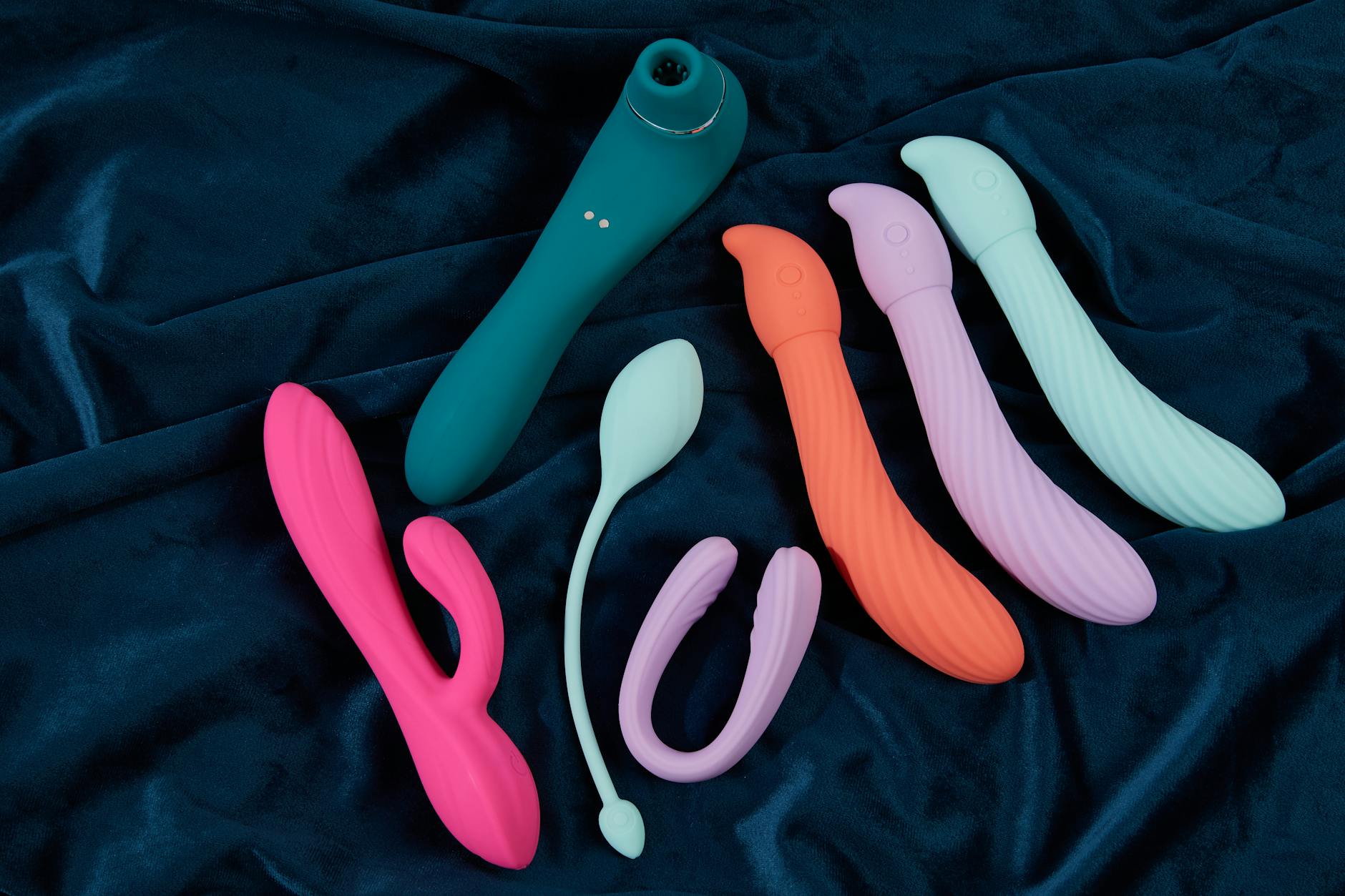
Photo by IFONNX Toys on Pexels
When to talk to a doctor
If intercourse is painful, don't assume that's just how it is now. Genitourinary syndrome of menopause (GSM) is real, common, and treatable. A gynecologist can prescribe topical estrogen creams that have minimal systemic absorption and can transform the experience in weeks.
If desire has completely disappeared and isn't coming back with rest or relationship repair, talk to someone. Low testosterone is treatable. Sometimes it's depression. Sometimes it's a medication side effect. The point is: total loss of desire isn't something you have to accept as inevitable.
Also, if you've never talked to your doctor about your sexuality, consider starting that conversation. A good healthcare provider should be able to discuss pleasure and sexual function without judgment. If yours can't, find one who can.
Making space for pleasure
After 50, many people face competing demands: work, aging parents, health concerns, relationship transitions. Pleasure can feel like a luxury item when you're managing everything else.
But here's what I tell couples: pleasure is actually maintenance. Regular orgasms improve blood flow, reduce stress, improve sleep, and strengthen the nervous system. It's not indulgent. It's practical self-care.
So carve out time. Close the door. Get the lube ready. Try a lemon clitoral vibrator if you haven't before. Let your body take the time it needs. You're not broken. You're not past your prime. You're different, and different can be really good.
People also ask
Is it normal for arousal to take longer after 50?
Completely normal. This is one of the most common shifts people experience. Arousal takes longer to build because blood flow to genital tissue changes with declining estrogen. But longer arousal doesn't mean less intense pleasure. Many people find they develop stronger, more localized sensations when they give their bodies the time they need. The key is patience and good foreplay.
Can you still have good orgasms after menopause?
Yes, and often better ones. After menopause, many people report orgasms that are more intense, more specific, or more varied than before. The physical sensation changes somewhat due to tissue thickness and pelvic floor changes, but the capacity for pleasure is absolutely there. Using tools like lemon clitoral vibrators often makes this easier because they're designed for the kind of stimulation mature tissue responds to best.
Why do lemon vibrators work better than regular vibrators for older bodies?
Lemon suction-based vibrators work well for mature bodies because they use air-pulse technology instead of direct vibration. This creates stimulation without harsh friction on thinner tissue. They also tend to have adjustable intensity levels, which is important because older bodies often need to start low and build gradually. The Lem and other lemon sexual toys reward patience in ways that faster vibrations don't.
What lubricant should you use after 50?
Water-based lubricant is your best bet. It's compatible with all toy materials and feels natural. Look for hyaluronic acid-based lubes if you're on the sensitive side, as they're gentler on thinner tissue. Apply lube at the start of arousal, not as an emergency measure. It's part of foreplay, not a sign something's wrong.
Is low desire after 50 something you have to accept?
No. Low desire can have many causes: hormone levels, medication side effects, relationship tension, depression, or lack of stimulation. Some of these are treatable. Talk to a gynecologist or menopause specialist if desire has disappeared completely. Also consider whether the types of stimulation you're used to still work for your body. Sometimes trying new approaches (like lemon vibrators) reignites interest naturally.
Should you use lemon clitoral vibrators if you've never used a toy before?
Absolutely. Lemon vibrators are actually gentle entry points for people over 50. The suction sensation feels different from penetration in a way that some people find less intimidating than traditional vibrators. Start with low-intensity patterns and focus on what feels good, not on achieving a specific outcome. You're learning what your body responds to, not proving anything.
The long view
Your body after 50 is not a downgrade. It's an upgrade with different instructions. The pleasure is still there. The capacity is still there. What changes is the path to get there, and honestly, taking that slower, more intentional path often leads to better places than the rush of your younger years.
You deserve to explore that. You deserve pleasure. And you deserve accurate information about what's actually happening in your body so you can make choices that work. If you have questions about how to navigate sexual health and intimacy after 50, reach out to Hello Nancy or talk to a healthcare provider who specializes in midlife sexuality. You're not starting over. You're evolving.