Let's get real about bodies after 40
Your pleasure capacity hasn't declined. Your skin sensitivity, though? That's shifted. Hormonal changes in your 40s and beyond make genital tissue thinner and more reactive to direct friction. This doesn't mean you need to settle for less sensation. It means you need to be smarter about how you get it.
This is where lemon vibrators and suction-based clitoral stimulation become game-changers. They work with your body instead of against it.
Why friction-only vibrators can feel too intense
Direct vibration against thinning tissue is like turning up the volume on a speaker that's already at full capacity. The sensation doesn't become "more" of what you want. It becomes sharp, fatiguing, or even uncomfortable. Many people I work with describe it as overstimulating rather than pleasurable.
Here's what's happening physiologically. As estrogen levels shift, the outer layer of genital skin loses elasticity and thickness. Your nerve endings are still there, firing normally. But the buffer between them and direct mechanical pressure has changed. A toy that felt perfect at 35 might feel aggressive at 45.
That's not a problem with you. That's your body asking for a different approach.
What suction actually does differently
Suction creates negative pressure instead of direct friction. Rather than a surface grinding against your skin, it gently pulls the tissue into the toy's chamber. This stimulates a wider area of nerves without concentrating force on a single point.
Think of it this way. Vibration is like someone tapping your shoulder repeatedly. Suction is like someone slowly drawing you closer. Both get attention. One spreads that attention across a broader area.
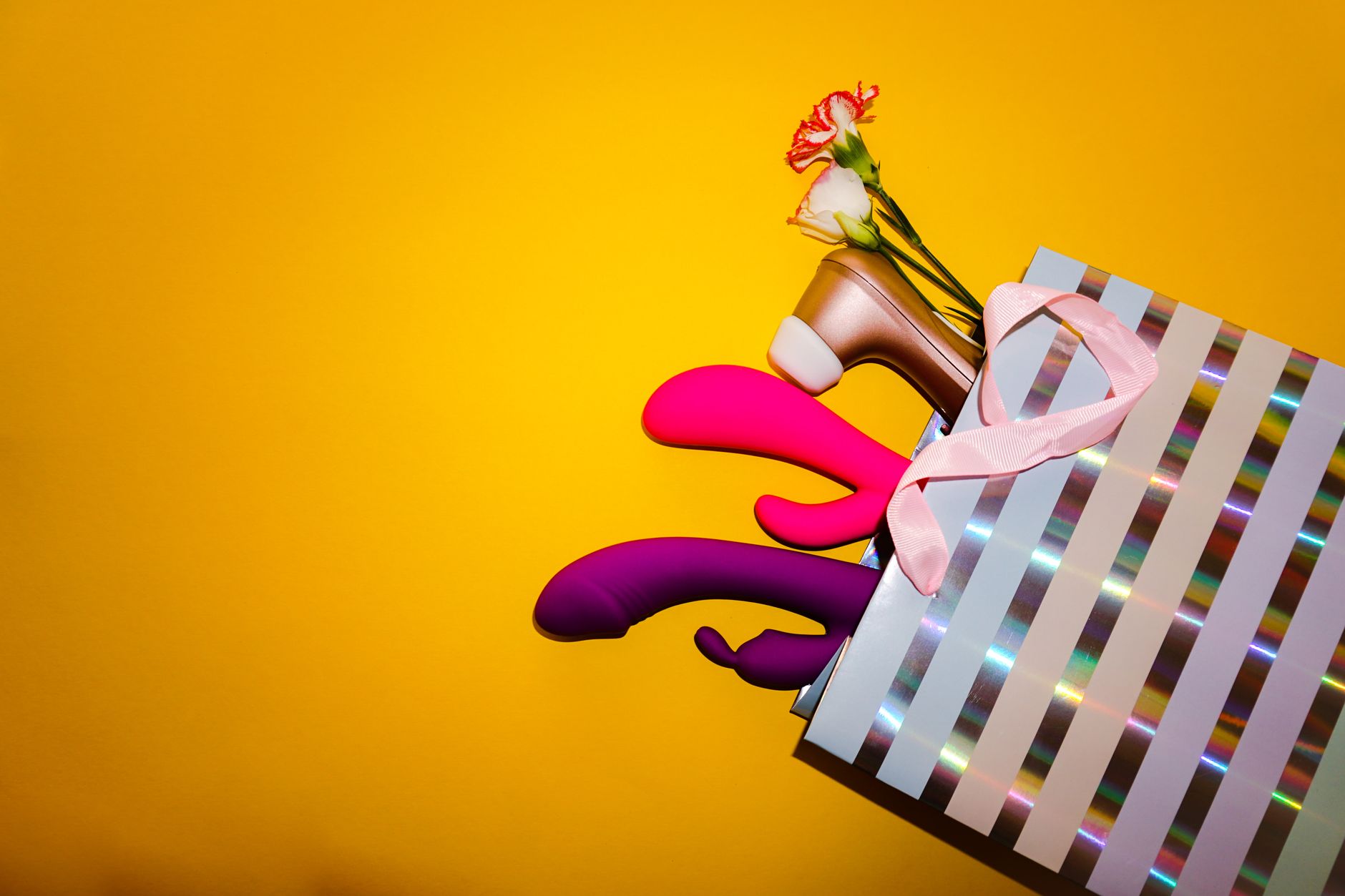
Lemon clitoral vibrators and similar suction toys are engineered specifically for this. The Lem, for instance, uses air-pulse technology to create patterns of suction and release rather than pure vibration. This is particularly effective for bodies with changing sensitivity because you can control intensity through pulse patterns rather than relying on raw vibration speed.
The tissue changes you should know about
Genitourinary syndrome of menopause (GSM) is real, and it affects how stimulation feels. Tissues can become drier, which increases friction. But tissue thinning also changes sensation directly. Your clitoris has the same number of nerve endings. The path those signals take to reach pleasure centers in your brain hasn't changed. What has changed is the tissue environment around them.
This is why personal lubricant becomes non-negotiable after 40, even if it wasn't before. Not because you're broken. Because water-based lube reduces friction, which protects thinning tissue while amplifying sensation. A quality lube paired with a lemon suction vibrator creates an environment where your body can actually relax into pleasure instead of bracing against intensity.
If you're dealing with actual vaginal dryness or pain, that's worth discussing with a gynecologist. Topical estrogen treatments and hormone therapies exist and work. But even with those in place, suction-based toys often feel better than traditional vibrators for sensitive skin.
Why Hello Nancy lemon vibrators hit differently
The design of modern lemon clitoral vibrators accounts for what bodies actually need. Rather than assuming bigger vibration equals better pleasure, they prioritize control and graduated intensity.
You can start at the lowest pulse setting and work your way up without ever reaching a point that feels abrasive. Many users find that the sweet spot happens at settings they would have found too gentle five years ago. That's not your pleasure fading. That's you discovering what your body actually prefers when you stop forcing it through a one-size-fits-all approach.
How to use suction toys if friction has been uncomfortable
Start with the lowest intensity. Seriously. Your brain will want to dial it up quickly because the sensation feels unfamiliar. Resist that. Give your body ten minutes to understand what suction feels like on its own.
Use plenty of lubricant. Water-based is your friend here. Silicone-based lube can damage silicone toys, so stick with water-based even if silicone feels slicker. The tradeoff is worth it.
Take your time with positioning. With friction-based vibrators, you often brace or press harder to get sensation. With suction toys, you can relax. The toy does the work. This shift from active pressing to passive receiving is actually where a lot of pleasure lives once you give yourself permission to find it.
If you've been using lemon vibrators with a partner and noticing different sensitivities, this information becomes even more relevant. Different bodies have different tissue changes. What feels right for one person might feel too intense for another. This is information, not judgment.
The mental shift that actually matters
Here's something nobody talks about clearly enough. After 40, if something has felt uncomfortable or less pleasurable, there's often a psychological layer that builds on top of the physical one. You start avoiding the experience, which means you're not exploring what might work better. You're just confirming that the old thing doesn't work anymore.
Breaking that cycle requires permission to try something genuinely different. Not just a different brand of the same technology. A different technology entirely.
Suction vibrators feel foreign at first. That's the point. Your nervous system is used to certain inputs. New inputs take exploration. Within a few sessions, though, most people find that suction feels more natural and more effective than vibration ever did. That's not coincidence. That's your body responding better to an approach that matches where you are now.
When to see someone if pleasure changes
If discomfort increases even with lube and lower intensity, that's worth a gynecology checkup. Not because something is wrong with you, but because treatable conditions exist. GSM, reduced estrogen, pelvic floor tension, hormonal changes. A good doctor can identify what's happening and offer real solutions.
Desire changes are separate from pleasure changes, and they're worth noticing too. If your desire has flat-lined completely and isn't returning as your body adjusts, that's information. Sometimes it's hormonal (testosterone therapy is an option). Sometimes it's relational. Sometimes it's stress or life circumstances. The point is to name it and address it instead of letting it become the new normal.
FAQ
Are lemon suction vibrators better than traditional vibrators for everyone?
Not everyone prefers them. Some bodies love vibration. The difference is usually about tissue sensitivity and personal preference. If traditional vibrators have felt uncomfortable, suction-based lemon clitoral vibrators are worth trying. If vibration works great, there's no reason to change. The best toy is the one that actually works for your body.
Can you use suction vibrators with a partner?
Completely. Some couples find that suction toys feel less intimidating to incorporate than traditional vibrators because they're novel and don't carry the same assumptions. It can feel like exploring something new together rather than "fixing" something. That psychological shift matters in couple dynamics.
Do you need special lube for lemon vibrators?
Water-based lube works with any toy. It's the universal choice because it's compatible with silicone, glass, metal, and plastic toys. Avoid silicone-based lubes with silicone toys, and avoid oil-based lubes with latex. For most situations, water-based is your safest bet.
How do you clean a lemon vibrator after use?
Warm water and a small amount of mild soap. Most modern clitoral vibrators are waterproof or water-resistant, so you can rinse the external surface. Pat dry with a clean cloth. Never submerge the charging port. Some people prefer a toy cleaner spray, which is fine, but warm water works equally well.
Will using a suction vibrator change sensation over time?
Not permanently. Your body will adjust to the sensation, which means you might need to vary intensity or patterns to keep things interesting. This is normal and applies to any toy. It's not desensitization. It's your nervous system becoming familiar with a stimulus. Varying your approach prevents this from becoming an issue.
Is there a right age to switch from vibration to suction?
There's no universal answer. Some people feel the shift toward suction preference in their 30s. Others don't notice it until their 50s. Your body will tell you. If friction-based vibrators start feeling less comfortable, that's your signal to explore other options. Age is just context. Comfort and sensation are what actually matter.