Let's be real about what's happening
Depression kills desire. Not because you stop wanting it. Because your brain chemistry makes wanting anything feel impossible. Then the medication kicks in. Your mood lifts. The fog clears. And one day you realize you're actually thinking about sex again. It can feel shocking. Confusing. Sometimes even guilty, like your body skipped ahead without your permission.
This is one of the most misunderstood parts of depression recovery. Nobody warns you that desire comes roaring back. They talk about side effects and adjustment periods, but not this. Not the moment when your libido wakes up and you're suddenly aware of your body again after months or years of numbness.
Why your desire is returning (and why it matters)
When you're depressed, your dopamine system is offline. That's the neurotransmitter that drives motivation, reward, and sexual arousal. Antidepressants, especially SSRIs, help restore balance to your serotonin, but they also give your dopamine system room to recover. When that happens, the signals that create desire start firing again.
Your body isn't betraying you. It's healing.
But here's what makes this moment delicate. If you've been with a partner through your depression, you might feel pressure to jump back into sex the way it was before. Or you might feel awkward, like you owe them an explanation for your absence. If you're single, you might feel uncertain about your own body after months of disconnection. All of this is normal. And all of it means you need to move slowly.
Why lemon vibrators work particularly well right now
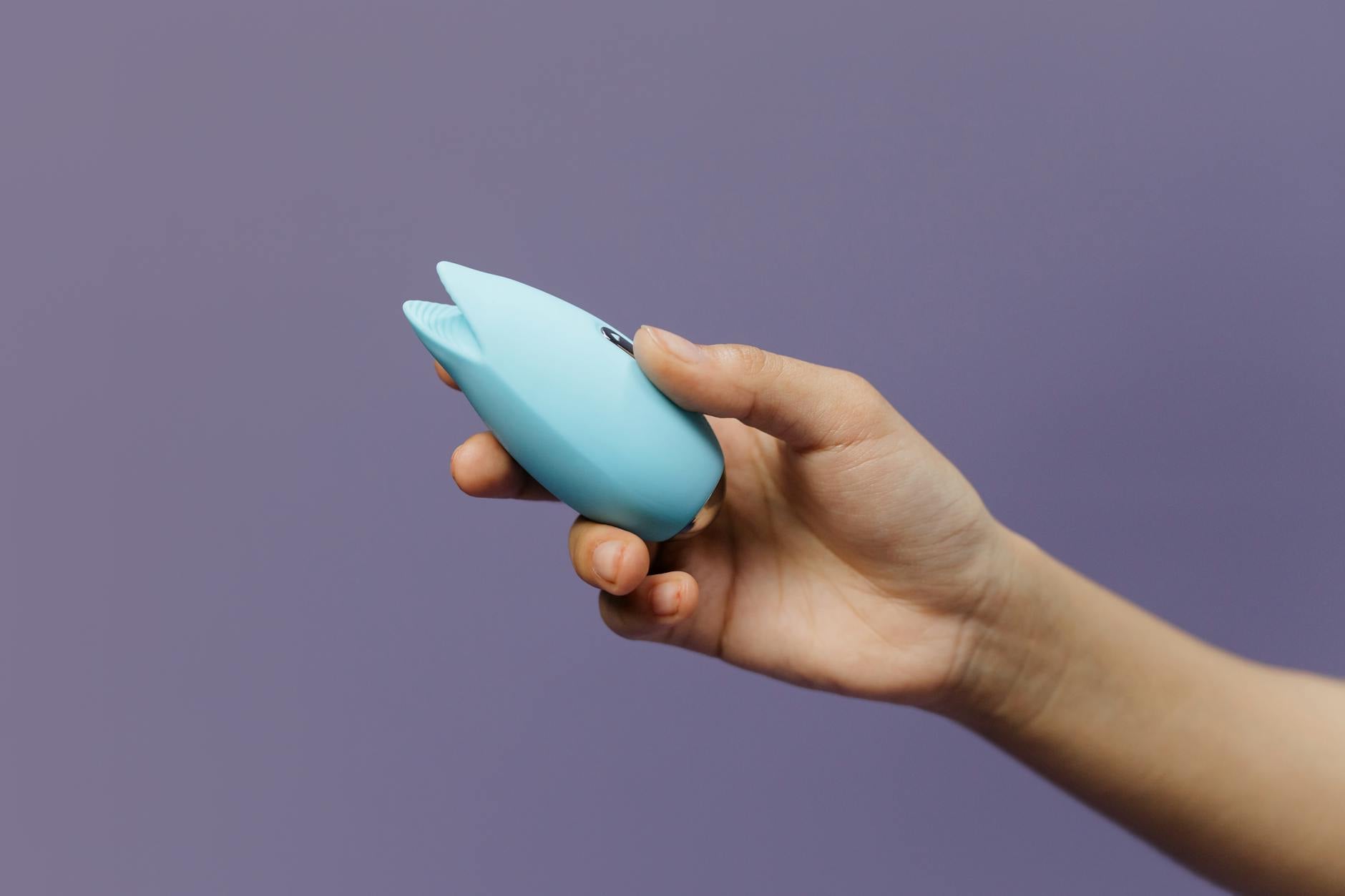
When you're rebuilding pleasure from a place of numbness or disconnection, you need tools that work fast and consistently. Lemon clitoral vibrators like those from Shop Lemon Vibrator use gentle suction technology that stimulates nerve endings without requiring intense sensation or complicated choreography. You're not trying to prove anything to anyone. You're just waking up your own body.
Here's what makes them useful specifically during this phase of recovery.
They don't require mental bandwidth. Depression recovery is exhausting. Your brain is still working hard to regulate mood and energy. A lemon vibrator does the work for you. You don't have to think about rhythm, pressure, or technique. You just experience what your body is capable of.
They rebuild the pleasure-anticipation loop. When depression flattens your reward system, anticipating pleasure becomes hard. Using a lemon clitoral vibrator in a short, intentional session helps your brain remember that stimulation equals pleasure. This matters more than it sounds. You're training your dopamine system to respond again.
They work without requiring a partner. If you're rebuilding alone, that's fine. If your partner is involved, you can still use a lemon vibrator without performance pressure. Solo exploration helps you remember what you like before you bring that back into partnered sex.
How to start: the three-step reintroduction
Week one: Sensation testing.
Your body has been quiet. Some areas might feel numb. Others hypersensitive. Spend a few sessions just exploring without the pressure of orgasm. Use a lemon vibrator on its lowest setting for five to ten minutes, focusing on what you actually feel, not what you think you should feel. Pain means stop. Numbness is normal. Tingling is your nervous system waking up.
Week two: Building duration.
Once you know what sensation feels okay, extend your sessions to 15 minutes. Still on low or medium settings. The goal here is to let your arousal build naturally instead of chasing it. Some sessions will lead to orgasm. Some won't. Both are fine. You're reestablishing the pathway between stimulation and pleasure.
Week three and beyond: Integration.
By now you've probably noticed what rhythm and intensity work for your body. You might bring this into partnered sex, or you might keep this as solo practice. There's no timeline. There's no "should." Your body gets to set the pace.
When to talk to your partner about this
If you're in a relationship, your partner probably noticed that your desire disappeared with depression. They might have adapted. They might have backed off. Now that you're interested again, they might feel uncertain about whether it's okay to engage.
Talk about it. Not in the moment, not during sex. Just in regular conversation. "Hey, I'm noticing my interest in sex is coming back as my mood improves. I'd like to explore that. Here's what feels good for my body right now." That's it. You don't owe them constant availability or performance. You're just letting them know the landscape has shifted.
If your partner pushes for more than you're ready for, that's a yellow flag. Depression recovery requires patience, especially around sex. Anyone who makes it about their needs instead of your healing is not supporting your recovery.
What to expect (the honest version)
Your orgasms might feel different than they did before depression. Sometimes duller. Sometimes more intense. Your body's response might be slower or faster. You might find that you need longer warm-up time, or that you get aroused more quickly. None of this is wrong. This is just what recovery looks like.
You might also feel emotional during sex or after orgasm. That's your nervous system releasing tension and your brain processing reconnection with your body. Cry if you need to. Rest. Move slowly into anything intense.
Some people find that their fantasies or preferences have shifted during depression. You might be interested in different things now. That's not a sign of damage. It's just change. Your brain is rewiring. Let it.
When you're ready to explore with a partner
If you want to bring a lemon vibrator into partnered sex, here's the move. Use it solo first until you're comfortable. Then show your partner if you want to. "This is what feels good. Want to watch?" or "Want to try this together?" No pressure on them to participate. Some partners love it. Some feel more comfortable just being present. Some would rather you use it during sex in a way that works for both of you.
If your partner is interested in touching you with a lemon vibrator, that's a different conversation. Let them know your sensitivity level. Let them know which settings feel good. And give yourself permission to ask them to stop anytime.
The thing nobody tells you about pleasure returning
You might feel guilty. Like you don't deserve this yet. Like you should still be struggling, or like your desire coming back means you're "really" better now, which feels like pressure.
Your pleasure is not a measure of your recovery. You're not healed because you want sex again. You're just healing. You're allowed to have desire and still have bad days. You're allowed to want pleasure and still need rest. These aren't contradictions.
Your body coming back online is a sign that your nervous system is regulating. That's good. That's progress. And it's also just a thing that's happening. You can be grateful for it without turning it into proof of anything.

Photo by cottonbro studio on Pexels
FAQ: Questions people actually ask about this
Is it normal to feel weird about wanting sex again after depression?
Completely normal. Your body was protecting itself. Now it's not. That shift can feel disorienting. Some people feel excited. Some feel ashamed. Some feel nothing and wonder why the desire came back but the joy hasn't. All of this is part of recovery. The feelings usually settle as you get used to your body working again.
Can I use lemon vibrators while I'm still taking antidepressants?
Absolutely. Many SSRIs do decrease sexual sensation, but that often improves over time as your body adjusts. Using a lemon clitoral vibrator while on antidepressants can actually help. The suction technology stimulates nerves that might need stronger input. Talk to your psychiatrist if sexual side effects feel persistent, but wanting to explore pleasure while medicated is not a problem.
What if my desire came back but I still don't feel interested in sex with my partner?
That's worth paying attention to. Sometimes depression creates distance in relationships that doesn't automatically repair. Sometimes your interest in solo pleasure is separate from your interest in partnered sex. Consider whether you need time, or whether there's something about the dynamic with your partner that needs addressing. A therapist can help you sort this out. There's no rush.
Should I tell my therapist that my sex drive is returning?
Yes. It's relevant to your mental health recovery and helps them understand how your medication is working. It's also relevant if sexual side effects have been a problem. Your therapist has heard about desire returning before. This is not oversharing. This is information they need.
Is using a lemon vibrator alone while recovering "normal" or should I only use it with a partner?
Solo exploration is completely valid. Actually, understanding your own pleasure without performance pressure is one of the healthiest things you can do during recovery. If you're with a partner, solo exploration helps you rebuild confidence in your body. Partnered exploration can come later. They're not competing priorities.
What if I don't feel desire coming back even though my mood has improved?
Some people's desire takes longer to return. Some find that their interest in sex has genuinely shifted. Some need to rebuild emotional connection with a partner first. And some need their medication adjusted. If it's been six months or more and desire still feels flatlined, mention it to your prescriber. But also give yourself grace. Recovery isn't linear. Desire will come when your nervous system feels safe.
Moving forward
Your desire coming back is a gift your nervous system is giving you. It doesn't come with conditions. You don't have to perform with it. You don't have to apologize for taking time to adjust to it. You just get to experience it as a sign that your body is healing.
Start slow. Use tools like lemon clitoral vibrators that make pleasure accessible without complication. Talk to your partner if there is one. Talk to your therapist. And be patient with yourself as your body remembers how to want. You're not broken. You're recovering. And your pleasure matters in that process.
If you're looking for more specific guidance on navigating pleasure during recovery or rebuilding intimacy with a partner after depression, reach out to us. We're here.