Let's name the actual fear
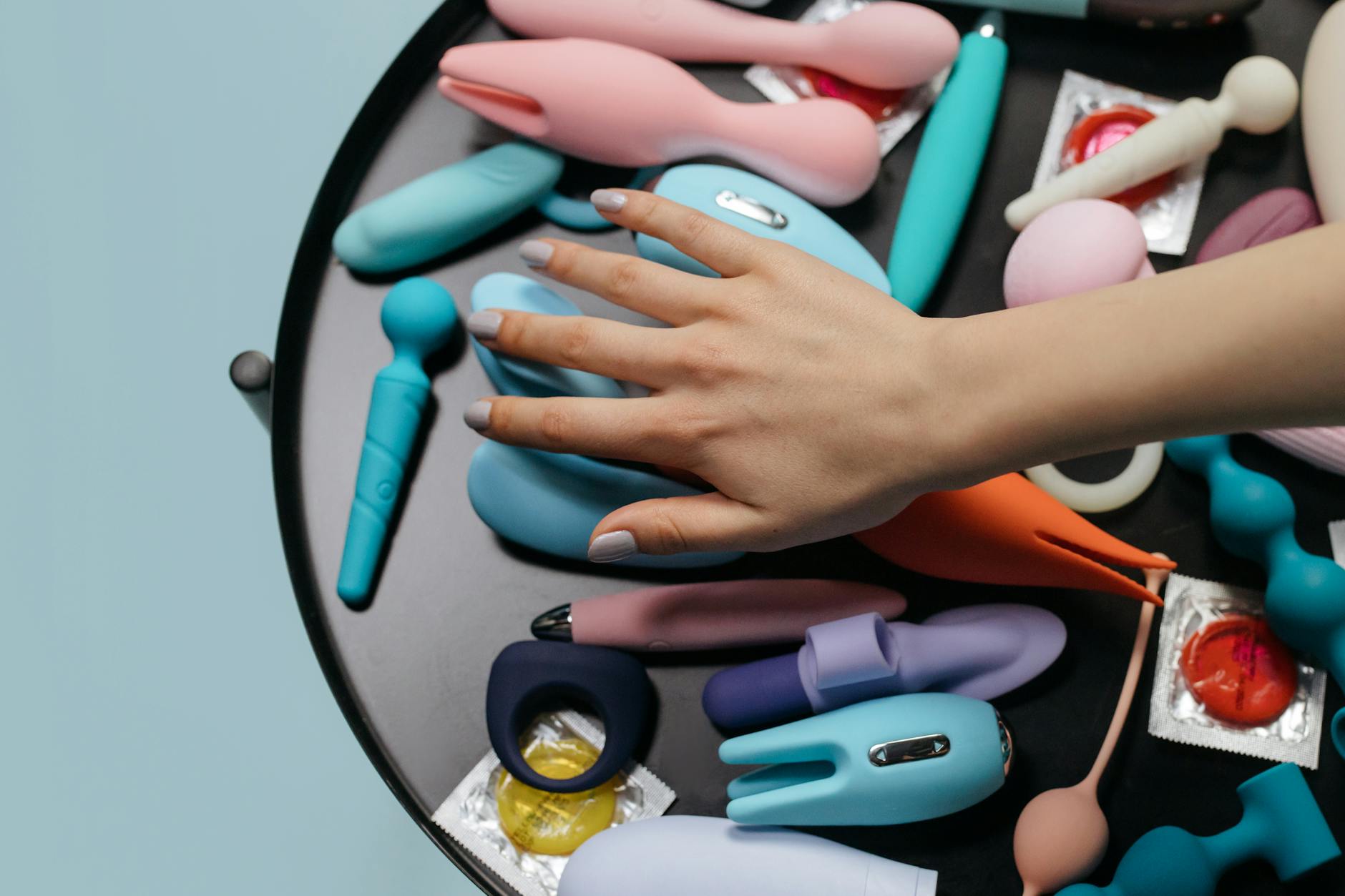
Your partner brought it up. Or you did. Either way, there's a lemon vibrator on the table now, and you're sitting in that particular kind of nervous where your brain is telling you a thousand conflicting stories at once. Will they feel replaced? Will it wreck the dynamic? Will I seem high-maintenance if I want this? The thing is, these worries sound like they're about the vibrator. They're not. They're about whether your partner will still want you, and whether wanting something for yourself means you're somehow failing at partnership.
Let's get specific about what's actually happening. Introducing a lemon vibrator into partnered sex is introducing a conversation. The vibrator itself is just a tool. The real work is the talking part, and that's where most couples get stuck.
The conversation before the vibrator
Here's what I tell couples in my practice: the worst time to introduce a sex toy is mid-sex, when everything feels heightened and there's no exit route if someone gets uncomfortable. The best time is fully clothed, outside the bedroom, with tea or coffee, when you both have brain space to actually listen.
Start with this exact frame: "I've been thinking about trying something new with you, and I wanted to talk about it first because your comfort matters to me." That one sentence does three things. It signals that you've thought this through. It says you care about their experience. And it removes the feeling of ambush.
Then name the actual thing. "I want to explore using a lemon vibrator together." Not "I need you to use a vibrator on me because you're not enough," which is the catastrophic story a lot of people write in their heads. Just the fact. The tool. The intention to play together.
Now here's the part where most conversations derail: you're waiting for them to say yes or no, but what they actually need is context. They need to know this isn't a referendum on your attraction to them. They need to know that clitoral vibrators like lemon toys work in a totally different way than fingers or a partner's body can, and that's not a criticism of their effort. It's just physics. Air-suction stimulation hits nerve endings in a concentrated pattern that creates sensation you literally cannot replicate with hands.
What to say when they seem hesitant
If your partner says something like "Isn't that weird?" or "Don't you want me to be enough?" those aren't rejections. They're questions hiding under fear. Here's how to answer them:
"Isn't that weird?" translates to "Will this make me feel like I'm losing something?" The answer is no, and here's why. Most people find that adding a lemon vibrator to partnered sex actually deepens things because you're both exploring together instead of one person performing and one person receiving. It's collaborative.
"Don't you want me to be enough?" This one stings because it touches the vulnerability in both directions. The answer is: "I want us to be enough. And what I'm discovering is that I love it when we explore new things together." Then add this part, which matters: "I'm not looking for you to be replaced. I'm looking for us to expand what we can do together."
The goal here isn't to convince them immediately. It's to have the conversation land as curiosity, not criticism.
The logistics before the first time
Once you've both said yes, there are three practical things to get clear on before you're actually in the moment:
First, the lemon vibrator itself. Show them the Lem or whichever model you've chosen. Let them hold it. Run it on your hand so they hear the vibration and see how strong or subtle it is. A lot of nervousness evaporates when people realize a clitoral vibrator is not a loud mechanical jackhammer. The Lem runs quietly and feels precise, not invasive.
Second, how it's going to work. Most people imagine you'll just flip it on and you'll immediately combust with pleasure. That's not how clitoral stimulation works. Explain that you'll probably need time to warm up, that you might need lube, and that you'll guide them as you go. This removes the pressure on them to somehow know what you need, and it gives you permission to actually feel something instead of just performing enthusiasm.
Third, how to stop. This is maybe the most important part and nobody talks about it. Agree on a signal or word that means "pause" or "stop," and agree that using it is not a failure. It's a safety valve. Knowing you have one makes you actually relax enough to enjoy the experience. Most couples never need it, but having it there is like knowing where the emergency exit is. You can enjoy the flight.
The first time, step by step
Plan for this to be small. Not a big production. You're not going for an Olympic performance. You're just introducing a new tool into your regular sex life and seeing how it feels.
Start with foreplay like always. Let arousal build naturally. Then when you're both warmed up, introduce the vibrator casually. "Okay, let's try this." Have lube right there, because even if you don't usually need it, the sensation feels better with it. Start with your partner using it on you while you're focusing on sensation, not on performing pleasure. This matters. If you're acting like you're having the time of your life, they can't tell if what they're doing is actually working for you.
Your job is to be honest about what feels good. "That feels amazing, keep going." Or, "Can you move it slightly?" This feedback loop is what makes the experience better than anything either of you could do solo. You're co-creating pleasure instead of consuming it separately.
Many partners find that once they're actually holding the vibrator and seeing how their partner responds, the nervousness just evaporates. You're not being replaced. You're being supported. There's a huge difference.
What happens after, emotionally
Here's what I see happen in relationships after that first time: usually one of two things. Either it feels awkward and stilted, in which case you both might need a beat to process and try again another time. That's totally normal. Or it feels genuinely connected, and you both realize you've just opened a door to a different kind of intimacy.
The key thing to do after is not to pretend nothing happened. Have a brief conversation. What felt good? What felt weird? Do you want to do it again? What might you do differently? This is not a therapy session. It's just closing the loop so you both know where the other person landed.
Lemon vibrators and other clitoral toys work best in relationships where there's actual communication underneath the sex. If you can talk about whether you liked it, you can talk about anything.
When to bring it up again
If the first time went well, you don't need to have this as an occasional special event. Lemon vibrators work best when they're just part of your toolkit, same as anything else. Some nights you'll use it, some nights you won't. It depends on what you're both in the mood for.
A lot of couples find that once they've introduced one toy, the conversation gets easier. "Should we try the Lem tonight?" becomes as casual as "Your place or mine?" And that's exactly the goal. You're not adding drama. You're just expanding what pleasure looks like between you.
FAQ: Introducing Lemon Vibrators to Your Partner
What if my partner says no when I bring it up?
That's information, not rejection. Ask what the hesitation is. Sometimes it's a timing thing. Sometimes it's a misunderstanding. Sometimes people need weeks to warm up to an idea before they're ready to try. Don't push. The goal is for both of you to actually want this, not for one person to convince the other. If this is a dealbreaker for you, that's worth knowing. If it's not, then respect their timeline.
Can I use a lemon vibrator alone first so I know how it feels?
Absolutely, and I'd actually recommend it. Using a lemon clitoral vibrator solo first means you know what sensations you like, which makes the conversation with your partner easier. You're not discovering the tool and the intimacy at the same time. You can focus on enjoying your partner.
How do I know which lemon vibrator to buy?
The most popular option is the Lem, which uses suction and pulse technology instead of traditional vibration. It's quieter and more targeted than a standard vibrator, which some couples find makes partnered play feel less clinical. For a first-time couple purchase, start with one quality lemon toy rather than buying a collection. You want to focus on actually using it and enjoying it, not accumulating things.
What if the vibrator works really well and I almost prefer it to partnered sex?
That's not a problem. Clitoral vibrators create a specific pattern of stimulation that hands can't replicate. That doesn't mean you should abandon partnered sex. It means you now have options. Some nights you want the precision of a lemon vibrator. Some nights you want the closeness of partnered touch. Both are valid. The key is that your partner understands this isn't a judgment on them. It's just different.
Should I tell my partner I've used lemon vibrators solo before trying with them?
Not necessarily. That's a personal choice. Some couples find it matters, some don't. If you have used one before and you're comfortable sharing, that context might actually reduce their nervousness. "I've tried this, it feels amazing, and I want to explore it with you." That's clear and confident. But you also don't owe anyone that history.
How do I bring up trying lemon vibrators if we've never talked about sex toys before?
Start smaller. You don't need to present it as a big innovation. You can say, "I read this thing about clitoral vibrators," or "I've been curious about trying something new," and gauge their reaction. See if they're even open to the conversation. Once you know they're not horrified by the concept, you can get more specific.
Introducing a lemon vibrator into your partnership isn't about the vibrator. It's about choosing to stay curious about each other instead of letting sex become a script you both follow. The nervousness you're feeling right now? That usually transforms into excitement once you actually have the conversation. Your partner probably wants to know what you want. You just have to tell them.