
The distance that creeps in
Most couples don't wake up one morning and decide to stop touching each other. It happens in increments. A year without sex becomes two. Tension replaces foreplay. You share a bed but not much else. By the time you realize how long it's been, the idea of restarting feels less like reconnecting and more like starting from scratch with a stranger you've known for twenty years.
Here's what I know from twenty years of working with couples: that distance is not permanent. But bridging it requires something most couples lack. Not passion. Not love. Permission. You need explicit permission to bring something new into the bedroom without it becoming a referendum on what's been missing. That's where lemon vibrators, specifically clitoral vibrators like the Lem, become invaluable. Not as a solution to a broken relationship, but as a conversation starter that sidesteps all the shame.
Why vibrators work better than talking about it
Let me be direct. If you've spent five years without physical intimacy, talking about it first often makes it worse. One person feels accused. The other feels defensive. You end up rehashing old fights instead of moving forward. A vibrator reframes the entire dynamic.
When you introduce a lemon clitoral vibrator into reconnection, you're not saying "our sex life failed." You're saying "let's try something together." That shift in framing is everything. It moves the focus from what's been broken to what you're building. It's collaborative instead of confrontational.
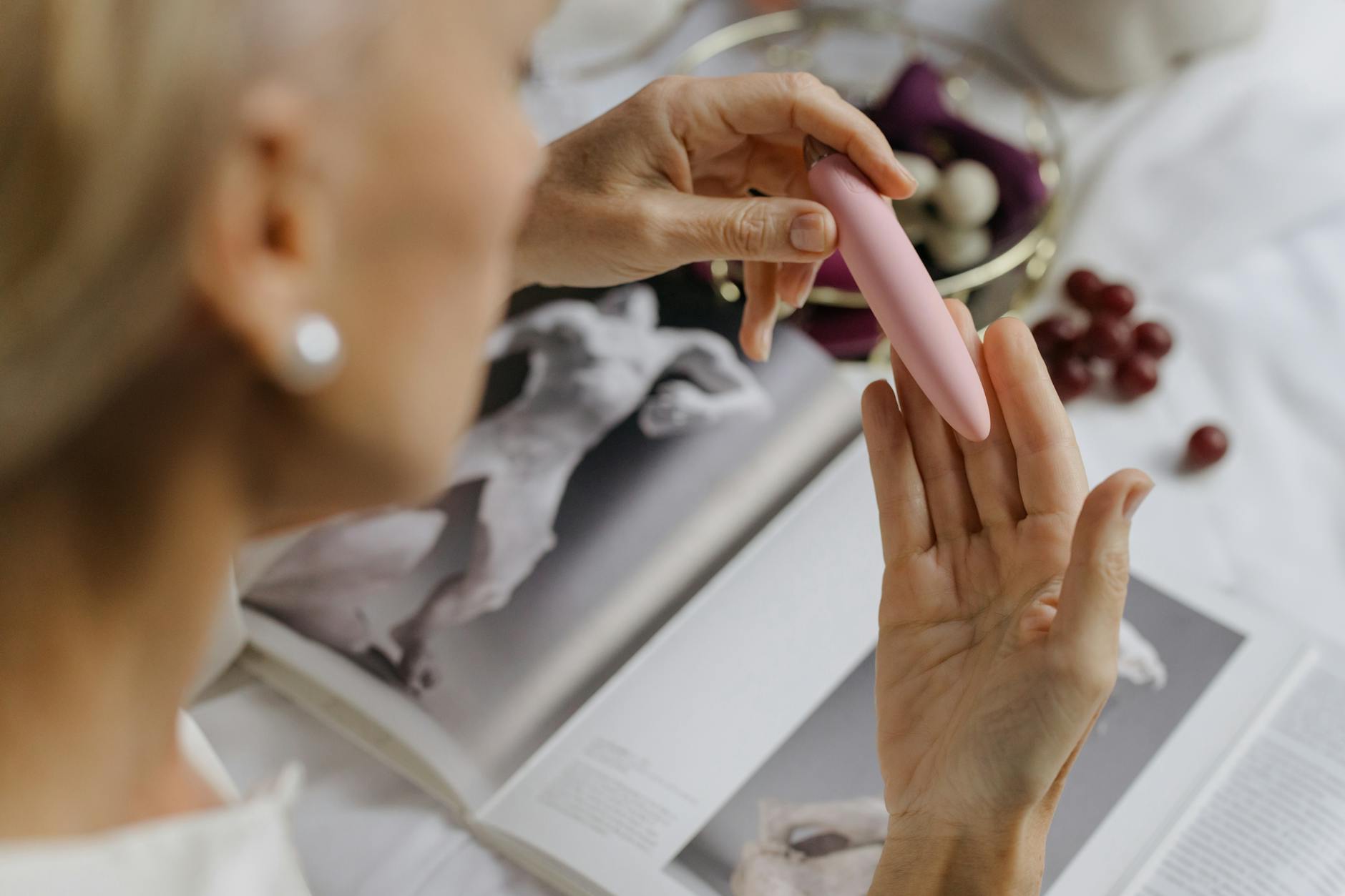
Photo by cottonbro studio on Pexels
Clitoral vibrators also work because they're honest about biology. After a long gap, arousal doesn't come easily. Your body needs consistent stimulation to warm up. A Lem does that work without judgment. It doesn't get tired or frustrated. It doesn't interpret your slowness as rejection. That removes a huge source of pressure.
Starting the conversation without shame
Okay so you want to suggest using a lemon vibrator with your partner. Here's what typically goes wrong. You either make it romantic ("I bought us something special") or clinical ("Studies show that clitoral stimulation improves reconnection"). Both backfire because they sound defensive.
Instead, try this. Pick a calm moment. Not in bed. Not after a fight. Say something like: "I've been thinking about us. I know it's been a while and I don't want to jump straight back into what we used to do. I'd rather build something new together. There's this thing I've heard about that might make it less awkward." Then show them. Let them hold it. No pressure to use it immediately.
This approach works because it centers them. You're not making a unilateral decision. You're inviting them into a process. Most partners respond better to "I want us to explore this" than to surprise or assumption.
When they say yes (and most do when it's framed this way), you've already won half the battle. You've made reconnection feel possible instead of terrifying.
The actual mechanics of using lemon vibrators together
Let's talk about what happens next. First time using a lemon clitoral vibrator with a partner who's been absent from physical intimacy, start with low expectations for performance. You're not going for an orgasm. You're going for sensation. Comfort. Familiarity with each other's bodies again.
Here's a structure that works:
Set time aside. Thirty minutes minimum. Not sneaking it in before sleep. Not rushed. Your nervous system needs to know you're not jumping into performance.
Start clothed. Yes, really. Let your partner hold the vibrator against you over your underwear first. This builds trust without the vulnerability of full exposure. Many couples I work with stay in this phase for several sessions before removing clothing. That's fine. That's the point.
Stay silent or talk freely. Your call. Some couples need quiet focus. Others use it as an opportunity to reconnect through conversation. There's no wrong way. The goal is noticing what your body is doing and what your partner is doing in response.
Use lube. Even if you think you won't need it, have water-based lube on hand. When you've been disconnected for years, your body doesn't warm up the way it used to. Lube removes the friction (literal and emotional) that derails reconnection.
Keep the vibrator at lower intensities. The Lem has multiple pattern settings. Start at settings one or two. Higher intensity doesn't mean better sensation after a gap. It often means discomfort. Your nervous system needs time to remember how to receive pleasure.
What happens when reconnection stalls
Sometimes you'll hit a wall. You'll get to the part where things should progress and they don't. Arousal doesn't build. Sensation feels numb or uncomfortable. One of you gets in your head about performance. This is completely normal. Don't interpret it as failure.
When this happens, the vibrator becomes your ally instead of your problem. You can pause, regroup, use it differently next time. You have data now. "That setting was too intense" or "I was too anxious" or "I needed more warm-up time." That's progress. You're building a vocabulary around your own pleasure together.
Some couples need to do this ten times before anything sexual happens. Some need twenty. That's not a sign you're broken. That's what reconnection actually looks like when you strip away the fantasy version.
Using lemon vibrators for ongoing connection
Here's the thing most people don't understand about reconnection. It's not one conversation or one session. It's a practice. You have to keep doing it, regularly, to maintain the bridge you've built.
Once you and your partner have used a lemon clitoral vibrator together successfully a few times, the dynamic shifts. It becomes less scary. You might use it when one of you is aroused and the other isn't yet. You might use it as foreplay before partnered sex. You might use it as a standalone thing that you do together.
The point is that you've normalized bringing external tools into your intimacy. That opens the door to other conversations. About desires. About touch. About what you actually want, not what you think you're supposed to want.
A lemon vibrator doesn't fix a relationship. But it does create the conditions where fixing becomes possible. It says "your pleasure matters and I want to be part of it." That statement, enacted consistently, changes things.
When to bring in outside help
If you've tried using a lemon clitoral vibrator together and arousal still feels impossible, or if there's pain, or if the distance feels tied to something deeper than just lack of practice, that's when a sex-positive therapist becomes valuable. Not because something is wrong with you. Because sometimes reconnection needs more than new tools.
If you find that using a vibrator together surfaces conflict that you can't resolve between the two of you, same thing. That's information. Use it. Seek help. A good therapist can help you understand what the real block is.
But most couples I work with find that introducing physical tools like the Lem actually makes therapy easier, not harder. Because you have something concrete to work with. You're not just talking about the problem. You're actively building the solution.
FAQ
Can we use a lemon vibrator if we've been disconnected for years?
Absolutely. In fact, the longer the disconnection, the more useful an external tool becomes. It removes pressure to perform naturally. It gives your nervous system time to wake back up without judgment. Start slow, keep expectations low, and focus on sensation over outcomes.
What if my partner is embarrassed about using a vibrator?
That's real and worth taking seriously. Don't push. Instead, ask what would make it feel safer. Maybe they watch you use it first. Maybe you keep it completely private from friends and family (which is your business anyway). Maybe you talk more about where the embarrassment comes from. Often it's not about the vibrator itself.
Should we use a lemon vibrator every time we're intimate?
No. Once reconnection starts happening, you'll probably want to explore without it too. The vibrator is a bridge, not a permanent fixture. Use it when it serves you. Skip it when you don't need it. The goal is building flexibility and confidence, not dependence on any single tool.
What if arousal still doesn't happen even with a vibrator?
Then you have useful data. Arousal difficulty often points to something else. Stress, medication, relationship tension, past trauma, hormonal shifts. A vibrator can't fix those underlying things. But it can help you isolate what's actually getting in the way so you can address it with appropriate support.
Is it normal for sensation to feel different or numb at first?
Very normal. After years without sexual touch, your nervous system literally needs retraining. Numbness or altered sensation usually resolves with consistent, gentle exposure. If it doesn't improve after several sessions, mention it to a doctor. Sometimes medication or other factors are involved.
How often should we use a lemon vibrator to rebuild intimacy?
At least weekly, ideally twice weekly, for the first month. Then reassess. You're establishing a new baseline for physical connection. Consistency matters more than intensity. Even fifteen minutes of intentional touch, with or without a vibrator, recalibrates your relationship faster than sporadic attempts.
The bridge you build
Reconnecting with your partner physically is terrifying when you've been distant for years. Everything feels high-stakes. Every moment of awkwardness feels like proof that you've broken something irreparable. That's the story you tell yourself, and it keeps you stuck.
Lemon vibrators, used intentionally, tell a different story. They say "we don't have to figure this out perfectly." They lower the stakes enough that you can actually start. They create a container for pleasure and exploration that doesn't require you to be someone you were before. You're building something new. And for most couples, that's exactly what you need.