The timing problem nobody wants to talk about
One of you comes too fast. One of you can't come at all. One of you is in your head worried about pacing instead of actually feeling anything. Sound familiar. This is the secret dynamic that kills more mid-life relationships than infidelity ever does.
Here's what makes it worse: you can't just will your body into syncing with someone else's. Arousal doesn't work that way. Clitoral sensation doesn't work that way. And pretending it does only builds resentment.
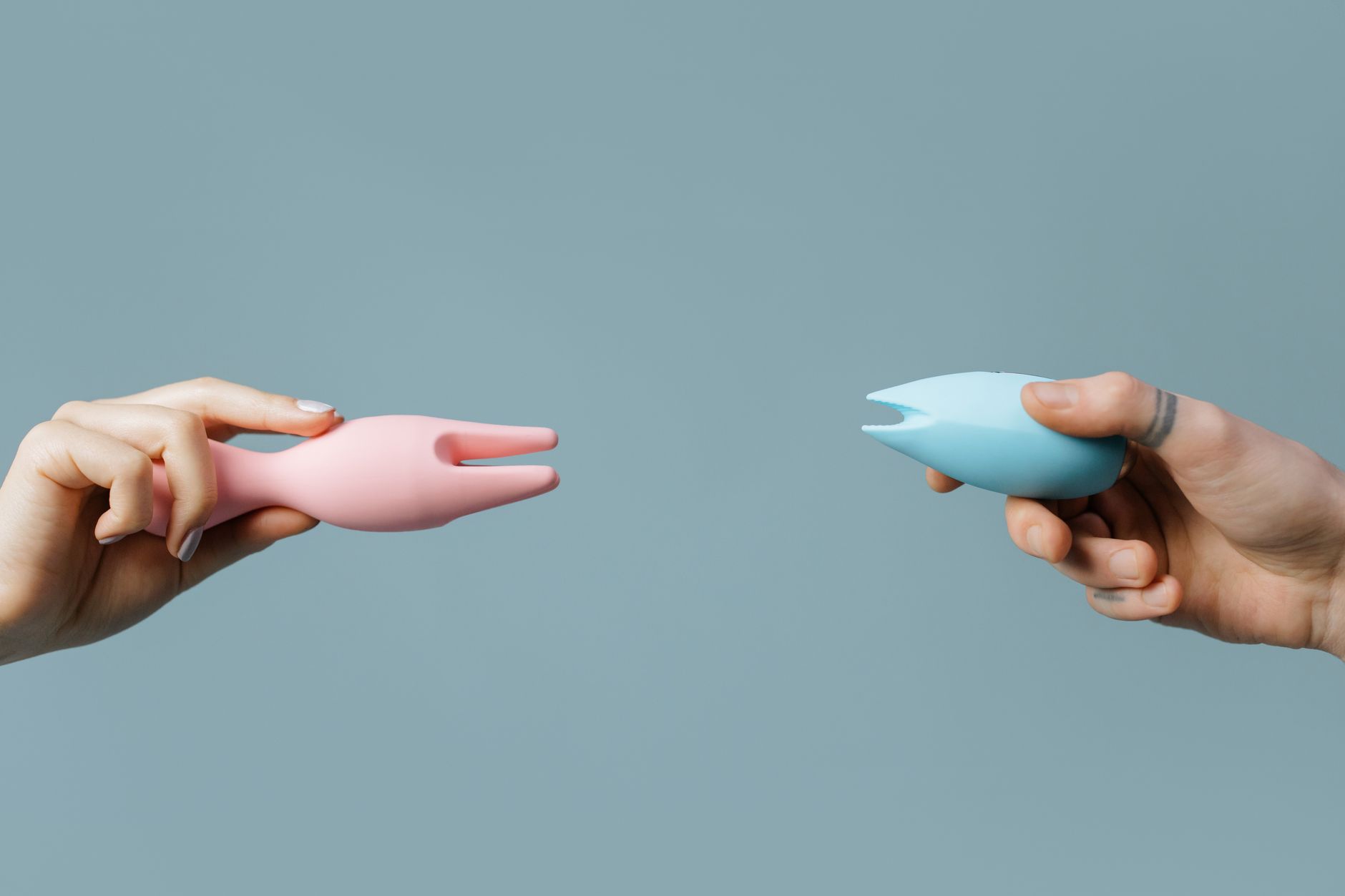
Lemon clitoral vibrators, specifically, are a game-changer for this exact problem because they work on a different timeline than penetration alone. They're not a band-aid. They're a restructuring of how you two actually experience pleasure together.
Why timing mismatches happen in the first place
Let me be direct: if you have a vulva and your partner has a penis, you're literally working with different physiology. Penises typically respond to rhythm and friction quickly. Clitorises respond to sustained, sustained stimulation and often need longer to build. That's not a flaw. That's just anatomy.
By your 40s, this gap often widens. Hormones shift. Medications change sensitivity. Stress tanks arousal. Refractory periods get longer. If you didn't have a strategy for timing at 25, you really need one by 45.
But here's what I see in my practice: most couples never actually discuss this. They just silently resent each other, which is a horrible foundation for anything.
How lemon vibrators solve the sync problem
A clitoral vibrator like the Lem works because it operates independently of penetration. That means you can use it before your partner enters, during, or after, depending on what your body actually needs. You're not locked into their pace. You get to build sensation your own way.
Three practical shifts this creates:
1. You control your own timeline. If you know you need 10 minutes of clitoral stimulation to be ready for penetration, use the Lem for those 10 minutes. Your partner isn't waiting awkwardly. You're not rushing. You both start from a place of actual arousal.
2. Penetration becomes an addition, not the whole event. This is huge. When penetration is the only source of sensation for the vulva owner, timing becomes adversarial. But when the clitoris already has stimulation going, penetration adds a different pleasure layer rather than being the sole vehicle for orgasm. That changes everything about the pressure.
3. Both orgasms become possible on the same timeline. Many couples find that using a lemon vibrator during sex means both partners can orgasm within a minute of each other, or together. This sounds like a small thing until you realize it's the difference between feeling connected and feeling like you're performing separate acts in the same bed.
The practical setup that actually works
Let's talk logistics, because good intentions mean nothing without a real plan.
Start with foreplay. You or your partner uses the Lem for several minutes before penetration happens. This isn't a quickie. Give yourself at least 5-8 minutes of uninterrupted clitoral stimulation. You'll notice the difference in how your body responds to penetration afterward. Your pelvic floor relaxes. Blood flow is better. The whole experience deepens.
Once penetration begins, keep the vibrator where it is. Angle of entry matters here. Many couples find that positions where your partner enters from behind or from the side (rather than face-to-face with full body weight) make it easiest to keep the vibrator on the clitoris. The Lem's compact design helps with this because it doesn't take up a lot of space.
If this feels awkward the first time, it will. You're changing the script. That's supposed to feel weird. It gets natural after two or three times.
For partners who come quickly, the goal isn't to hold back or use mental distraction techniques. That kills sensation and builds tension. Instead, focus on the visual and physical sensation of watching your partner experience pleasure. Your arousal will slow naturally when you're tuned into her instead of your own pressure.
When to introduce this conversation
Don't lead with "we have a timing problem." That sounds like criticism. Instead, frame it as curiosity: "I've been reading about how couples use vibrators during sex and I'm curious what you'd think about trying it." Make it collaborative, not corrective.
If your partner resists, the resistance is usually about one of three things: feeling replaced, feeling inadequate, or not understanding how it actually works. You can address each one.
Feeling replaced: "The vibrator isn't better than you. It's adding something I can't create alone so that we both get to experience more together."
Feeling inadequate: "My body needs this kind of stimulation. That's not about you being a bad lover. It's about physiology." (And it's true.)
Not understanding: Show them. Use it on yourself first so they see it's not mysterious. Let them hold it. Explain the sensation. Knowledge kills anxiety.
The psychological part that matters more than technique
Here's what I see happen when couples introduce a lemon vibrator into their sex life intentionally: they stop performing and start participating. The person with the vulva stops managing their partner's ego. The partner stops managing their own anxiety about pacing. You both get to actually feel something.
That shift in presence changes everything. Not just sex. The way you touch each other outside the bedroom gets warmer because you're not carrying resentment.
One thing I tell every couple: there's no "normal" timeline for sex. Some people come in two minutes. Some need 20. The goal isn't to match some imaginary standard. The goal is for both people to feel satisfied on their own terms, then get to feel satisfied together.
A lemon vibrator makes that possible because it gives you tools instead of leaving you with just willpower and hope.
When sensation still isn't aligning
If you've tried this and one person still consistently struggles with sensation, there might be something else going on. If you have high sensation sensitivity or if clitoral sensation feels distant even with a vibrator, that's worth exploring separately. Sometimes it's medication. Sometimes it's stress. Sometimes it's a pelvic floor issue that needs physical therapy.
Don't assume the vibrator failed. It might mean you need a different tool entirely. That's information, not failure.
Real talk about what changes
When you use a lemon vibrator intentionally during sex, your whole relationship to pleasure together shifts. You stop treating sex as a performance and start treating it as a conversation. You learn what your partner actually needs instead of guessing. You discover your own body's rhythm instead of conforming to someone else's.
By 45, if you've never had that, it feels like discovering a whole new kind of intimacy.
People also ask
Can we use a lemon vibrator if my partner finishes too quickly?
Yes. Actually, this is ideal. While your partner is inside you, the vibrator gives your clitoris independent stimulation. Your partner can focus on sensation and presence instead of pacing. Many men find this reduces anxiety and actually helps them last longer because they're not worried about timing anymore.
What if my partner thinks using a vibrator means I'm not satisfied with them?
That's a communication problem, not a vibrator problem. Frame it clearly: "I want us both to feel amazing. My body needs this kind of stimulation to get there. That doesn't mean you're not enough. It means we get to use a tool that makes us both feel better." If your partner still resists after understanding, that's a deeper relationship issue worth exploring with a couples therapist.
How often should we use a lemon vibrator during sex?
As often as you want. There's no rule. Some couples use it every time. Some use it when timing feels mismatched. Some use it when one person is stressed and needs help getting there. It's a tool. You decide when you need it.
Does using a vibrator make it harder for me to orgasm without one?
This is a common worry and mostly a myth. If anything, the opposite is true. Learning what kind of stimulation actually works for your body makes sex better across the board, not worse. You're training your body to recognize pleasure, not creating dependency.
What if neither of us has tried a vibrator during partnered sex before?
Start slow. Use it during foreplay only. Get comfortable with how it feels before adding penetration. Talk about what feels good. There's no performance expectation here. You're exploring.
Can we use a lemon vibrator if we have different body types or mobility needs?
Absolutely. The Lem is small and lightweight, which actually makes it easier to use in different positions. If you have mobility limitations, the fact that you can position it and keep it there means you don't have to do as much work. This tool can actually make sex more accessible, not less.
The bigger picture
Timing mismatches aren't a sign that you're sexually incompatible. They're a sign that you need better tools and better communication. Once you have both, the gap closes fast.
Lemon clitoral vibrators exist partly because couples kept asking for something that let both partners feel good at the same time. That's it. That's the whole story. You're not broken. You're just using what actually works.
If you're ready to try this, start the conversation gently. Show your partner what you've learned. Make it collaborative. Then see what changes.