Let's start here: disconnection is common, and it's fixable
You want intimacy. You want to feel close to your partner. But somewhere along the way, your body checked out. Maybe it was stress. Maybe it was resentment that never got addressed. Maybe it was just years of going through the motions until the motions stopped feeling like anything at all. Whatever the cause, the result is the same: you're present but numb, willing but distant, and increasingly frustrated that wanting connection and actually feeling it have become two different things.
Here's what I've learned from decades of working with couples: disconnection from pleasure isn't usually about the body being broken. It's about the nervous system being in lockdown mode. And lockdown mode is actually protective. Your body is smart enough to shut down sensation when it's unsafe, overwhelmed, or exhausted. The good news is that re-engagement isn't mystical. It's systematic.
Why emotional distance kills physical sensation
Your brain and your body are not separate systems. When you're emotionally withdrawn, your nervous system quite literally stops sending the signals that create arousal. You can be touching your partner and feel nothing because the neural pathways that would normally light up in response to stimulation are dormant. This isn't laziness. This isn't lack of love. It's neurobiology.
Research on couples shows that disconnection deepens when partners try to force sensation back through intensity alone. More vigorous touching, more frequent attempts, more pressure to perform doesn't wake up the nervous system. It actually pushes it further into protection mode. Your brain registers the effort as demand, and demand registers as threat.
The pathway out is the opposite direction: lower intensity, more consistency, and real permission to feel whatever comes up, including nothing.
How lemon clitoral vibrators break the numbness pattern
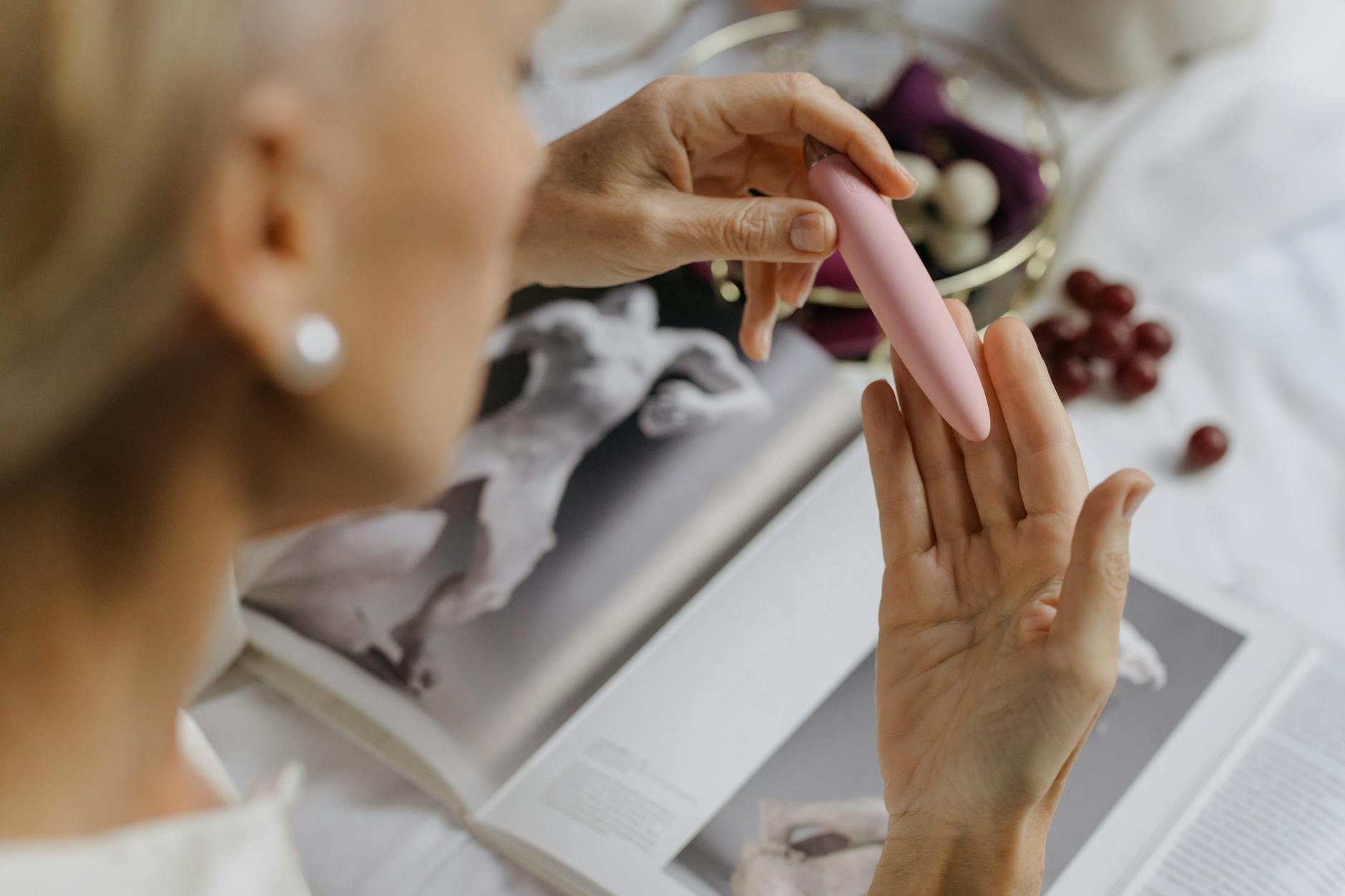
Lemon vibrators, particularly suction-based clitoral vibrators like the ones from Shop Lemon Vibrator, work differently than conventional vibration. Suction stimulates the entire clitoral network, not just the surface nerves. That matters when you're numb because suction can often trigger sensation in places where direct vibration creates overstimulation or irritation.
But the real power isn't mechanical. It's psychological. Using a tool shifts the dynamic in three important ways.
First, it removes the pressure for your partner to perform your pleasure. When you're disconnected, the weight of your partner's effort can feel like obligation. A vibrator externalizes that. Your partner isn't failing you. The tool is doing the work. That distinction matters.
Second, a lemon sucker gives you permission to slow down. You can use it at pattern one or two (the gentlest settings) and stay there for twenty minutes if that's what your nervous system needs. There's no performance standard. No one's arm gets tired. You're not tracking whether it's "working" because the device is consistent, patient, and utterly unconcerned with outcomes.
Third, suction-based stimulation often feels different enough from what you've been doing that it can bypass the numbing pattern. Your nervous system recognizes the sensation as new, which can wake up neural pathways that had gone dormant.
The reconnection protocol: four phases
Phase One: Solo exploration without pressure. Start alone. No partner, no expectations, no goal beyond noticing. Use your lemon vibrator at the lowest setting for fifteen to twenty minutes, even if you feel nothing. The point isn't sensation. It's consistency and permission. Your nervous system needs to learn that touch can be safe again without leading anywhere.
Phase Two: Introducing your partner as witness. This sounds stranger than it is. Let your partner sit nearby while you use your vibrator alone. No touching. No performance. They're just present. This rebuilds safety gradually. You're showing them that pleasure is something you're willing to explore, and they're learning to witness without trying to fix it.
Phase Three: Partner-led exploration with the vibrator. Now your partner holds the device. Start with the gentlest setting, again with zero expectation of outcome. They might trace the vibrator around your vulva without direct contact. They might hold it in one place for minutes. The point is that your partner is learning to follow your cues rather than pursue sensation.
Phase Four: Integration into partnered intimacy. Once you've felt safe with phases one through three, the vibrator becomes a tool within your regular intimate time. Not a replacement for touch, but a bridge. Something that creates sensation while you and your partner are physically close, which gradually teaches your nervous system that closeness and sensation can coexist again.
What happens in the nervous system during reconnection
When you use a lemon clitoral vibrator consistently at low intensity, you're essentially asking your nervous system to gradually leave its defensive posture. Each session sends a message: "This is safe. Sensation is okay. You don't have to protect against pleasure." After weeks of this, your brain starts believing it.
The process isn't linear. Some days you'll feel sensation. Some days you won't. That's normal and expected. What matters is that you're building new neural pathways that associate pleasure with safety rather than with pressure, performance, or obligation.
Many clients report that reconnection happens in layers. First, physical sensation returns. Then, weeks later, emotional openness follows. Finally, after consistency over months, the confidence returns that pleasure is actually yours to access.
The conversation your partner needs to hear
Disconnection from pleasure almost never happens in isolation. If you're numb to sensation, there's usually an emotional component. Maybe unresolved conflict. Maybe burnout from managing too much. Maybe just years of not being heard.
Using a lemon vibrator is useful and practical, but it works best alongside a real conversation with your partner about what the numbness actually means. Not as blame. As information. "I've noticed I've checked out. I want to come back, but I need us to slow down and rebuild this together." That conversation, paired with consistent, low-pressure tool use, creates real change.
Why consistency matters more than intensity
Here's what doesn't work: using your lemon vibrator intensely once a week, expecting breakthrough results. What works is using it gently three or four times a week, even when you feel nothing. The nervous system learns through repetition that this experience is safe and reliable. After eight to twelve weeks of consistency, most people report significant shifts in baseline sensation and arousal.
When to seek additional support
If numbness persists after three months of consistent use, or if it's paired with depression, anxiety, or significant relationship conflict, a therapist trained in somatic therapy can help. Sometimes the numbness is deeper than nervous system recalibration can address alone. That's not failure. It's information that you need a broader toolkit.
The path forward
Disconnection from pleasure doesn't mean you're broken or that your relationship is doomed. It means your nervous system went into protection mode, which is exactly what it's supposed to do under stress. Reconnection is possible, and it often follows a predictable path: gentle, consistent stimulation combined with honest communication with your partner about what you need. A lemon clitoral vibrator can be the tool that makes that path feel manageable and safe.
Start with phase one. Give it time. Let your nervous system learn at its own pace. Pleasure will return, and when it does, it often feels deeper because you've consciously rebuilt it.
People also ask
How long does it take to reconnect with pleasure after emotional distance?
Most people notice their first shifts in sensation within four to six weeks of consistent use. Deeper reconnection, where pleasure feels integrated with emotional closeness again, typically takes two to four months. The timeline varies based on how long the numbness lasted and what caused it. Consistency matters more than speed.
Can I use a lemon vibrator on my own if I'm in a relationship?
Absolutely. In fact, solo exploration is often the best starting point. You learn your own capacity for sensation without the pressure of your partner's expectations or your own fear of disappointing them. Once you've rebuilt some confidence alone, you can bring the tool into partnered intimacy.
What if my partner feels threatened by using a vibrator?
This is common and worth addressing directly. The conversation might be: "I'm feeling numb, and I want us to reconnect. Using this tool isn't about you failing me. It's about creating the conditions where I can feel safe and present again. I want us to do this together." Some partners need reassurance that the vibrator isn't a replacement. Some need to understand that you're not trying to avoid them. Most soften once they realize the goal is rebuilding intimacy, not escaping it.
Is a lemon sucker better than a traditional vibrator for reconnection?
Suction tends to work better for people experiencing numbness because the sensation is different from conventional vibration. It also allows for longer sessions at gentle intensity without the numbness that can come from repetitive stimulation in one area. That said, everyone is different. Some people need to experiment with a few different styles before finding what wakes up their nervous system.
What if I don't feel anything even with consistent use?
That might mean you need a lower intensity setting, a longer warm-up, or more emotional work alongside the physical tool. It might also mean the numbness is rooted in something deeper, like trauma or significant depression, that needs professional support. There's no shame in that. It just means you need a different kind of help.
How do I talk to my partner about feeling disconnected without it becoming a fight?
Timing and framing matter. Choose a calm moment, not during or right after an attempt at intimacy. Use "I" language: "I've noticed I've pulled away from pleasure, and I want to understand why." Avoid blame: "You made me numb" doesn't work. Focus on what you need moving forward: "I'd like us to slow down and rebuild this together." If conversations keep escalating, a couples therapist can help you find a way through that feels safer for both of you.