Let's start with the honest part
Surgery, injury, and medical trauma rewire your relationship with your body. Not forever. But for right now, pleasure might feel like a foreign country you're visiting for the first time, or like returning to somewhere that doesn't feel quite like home anymore.
That's not weakness. That's neurobiology. Your brain has learned to protect you. And that protective response doesn't just switch off because a doctor said you're healed.
Here's what I've seen work: moving slowly, using tools designed for sensitivity (like lemon vibrators and other clitoral vibrators), and giving yourself permission to rebuild pleasure on your own timeline. Not your partner's timeline. Not the internet's timeline. Yours.
What recovery actually involves
Physical healing and emotional healing are not the same timeline. You can be medically cleared to have sex and still feel nothing. You can feel panic when touched in a way that never bothered you before. You can want pleasure and simultaneously your nervous system can say no. All of that is normal.
Three things happen during sexual recovery after surgery or injury:
First, there's often scar tissue or adhesions that change how sensation travels. The nerves aren't damaged. The nerve pathways are just remapped.
Second, your body has developed protective tension. The pelvic floor especially tends to hold stress and trauma like a clenched fist. Even when you're ready mentally, your muscles might not have gotten the memo.
Third, and this one matters most, your brain needs evidence that pleasure is safe again. That evidence comes through gentle, predictable, controlled stimulation. Not forced. Not rushed. Chosen.
Why lemon vibrators work during recovery
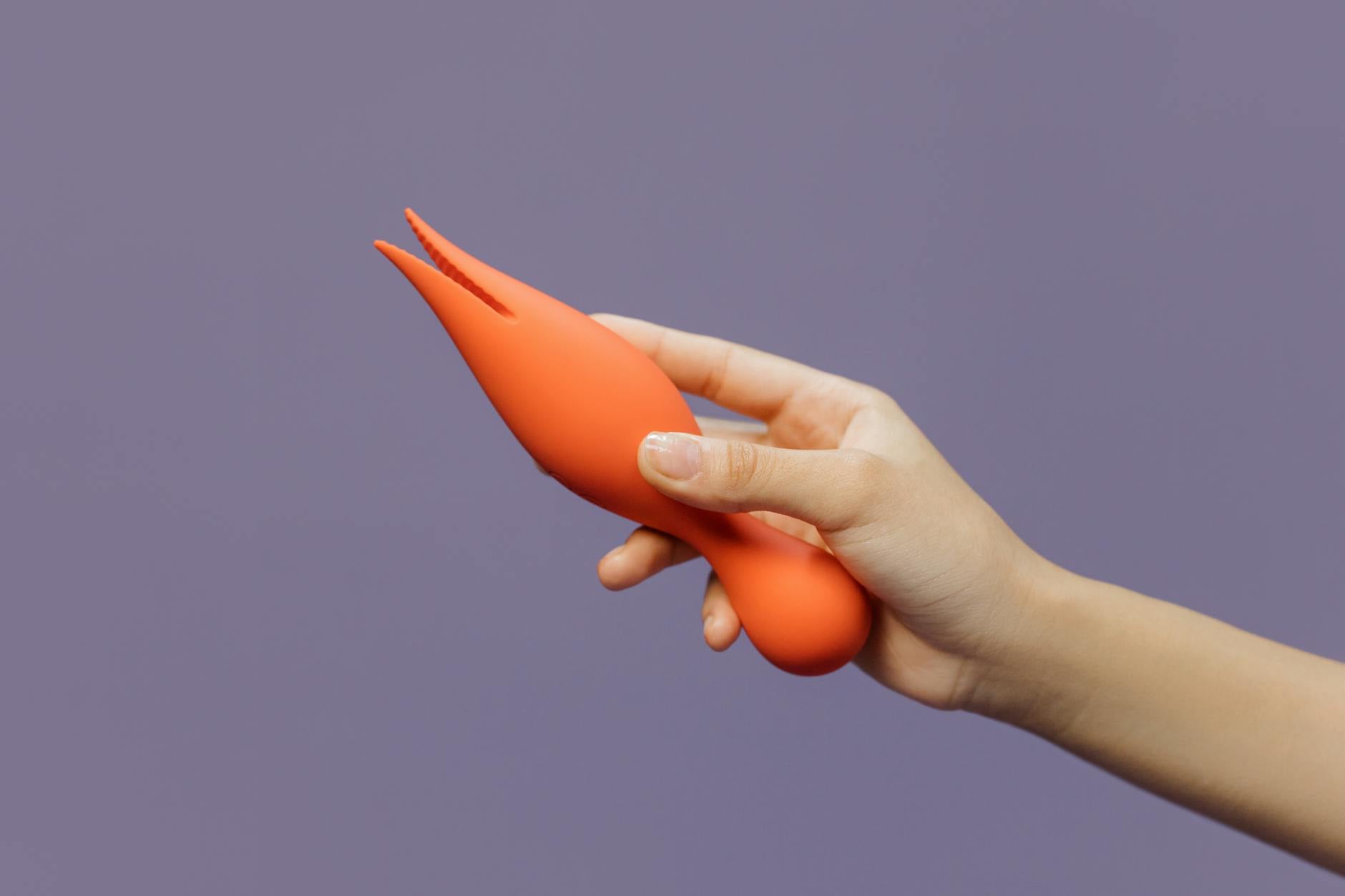
Most vibrators default to high intensity right out of the gate. That can feel overwhelming if your nervous system is still in protection mode. Lemon vibrators, especially the Lem and other clitoral vibrators from Shop Lemon Vibrator, are designed with recovery in mind.
They start low. Really low. The suction-based design means they build sensation gradually instead of jamming intensity at you. For someone rebuilding trust with their body after medical trauma, that matters.
The suction mechanism also doesn't require the same pressure-based friction that can feel painful or triggering on sensitive tissue. It's gentler. It's controllable. You can test the waters at pattern one and stay there for as long as you need.
When you're coming back from surgery, especially gynecological surgery, your tissues are already reorganizing. Gentle stimulation actually helps that process. It increases blood flow, reduces inflammation, and helps your nervous system understand that sensation can be pleasurable instead of dangerous.
A realistic timeline for getting started
Medical clearance is the floor, not the finish line. Your doctor gives you permission; your nervous system gives you the green light. They rarely happen simultaneously.
Honestly though, if you're asking the question "When can I use lemon vibrators again?", you might already be ready. Not ready to have an orgasm. Ready to start paying attention to sensation.
Week one of nervous-system-level readiness usually looks like this: touching yourself with your hands, no tools, just feeling what you feel. No goal. No pressure. Just data gathering. What temperature feels okay? What kind of touch makes you tense up? What feels neutral? What feels even a tiny bit good?
Week two or three, you might introduce something external but non-vibrating. A smooth stone, a silk scarf, whatever feels safe and interesting. The point is choice and control.
After that, when you're touching yourself and not feeling panic, a lemon vibrator at the lowest setting becomes an option. Not a requirement. An option.
How to use clitoral vibrators safely during recovery
Here's what I'd tell a friend who's rebuilding pleasure after surgery:
Set a boundary around time, not outcome. "I'm going to spend ten minutes exploring what feels good" is a goal. "I'm going to have an orgasm" is setting yourself up for frustration. Your body might not have orgasms right now. That's not failure. That's information.
Start with your hand first. Every single time. Not because vibrators aren't safe. Because your hand is familiar. It's your nervous system's baseline. Spend five minutes with your hand, notice what happens, then bring in the lemon vibrator.
Use the lowest setting. If your lemon vibrator or other clitoral vibrator has five settings, spend two or three sessions on setting one before you even think about moving up. I know you want to feel something. Starting gentle actually gets you there faster because you're not overwhelming your nervous system.
Lubrication is non-negotiable. Even if you're not normally dry, even if you don't need it, use a water-based lubricant anyway. Post-surgical tissue is more delicate. Lubrication reduces friction, signals to your nervous system that this is a pleasure activity not a medical procedure, and makes everything feel safer and smoother.
Keep your phone nearby, not in your hand. This sounds random but it matters. If you start feeling panicky, having your phone within reach (not in your hand during stimulation) means you can ground yourself with a text to a trusted friend or a grounding app. You're not hijacking the pleasure moment. You're just ensuring you have an exit hatch if your nervous system needs one.
The emotional layer that changes everything
If you had surgery or injury that involved your genitals, there's often a grief piece. Grief for the body you had before. Grief for the relationship to your body that was interrupted. That grief is real and it doesn't disappear because you bought a vibrator.
Many people find that pleasure comes back faster when they actually stop trying so hard. Which sounds counterintuitive, I know. But when you're using a lemon vibrator from a place of "I should be able to do this by now," you're layering performance pressure on top of recovery trauma.
What actually works is using your vibrator from a place of curiosity. "What does this feel like today?" Curiosity is low-pressure. Curiosity is kind. Curiosity is recoverable.
If you have a partner, this is also where communication gets real. The conversation isn't "When can we have sex again?" It's "I'm learning my body again. I need you to understand that my timeline might not match the medical clearance. Can you be patient with me?" That's a much harder conversation. It's also the one that matters.
When to get additional support
Some people move through sexual recovery smoothly. Some people find that six months post-clearance, pleasure still feels impossible. If you're in that second group, that's not a personal failing. That's a sign you might benefit from a pelvic floor physical therapist or a sex therapist who specializes in medical trauma.
A pelvic floor PT can address the muscular holding patterns that often outlast the actual injury. A trauma-informed sex therapist can help your brain understand that pleasure is safe again. Sometimes both.
There's also no shame in needing help. Surgery and injury are trauma. Your body literally learned to protect you. Unlearning that takes professional support sometimes. That's not weakness. That's wisdom.
Getting back to yourself, slowly
Your body is not broken. It's rebuilding. Lemon vibrators, designed with sensitivity in mind, give you a tool for that rebuilding that's gentle, controllable, and gradual. The goal isn't to get back to where you were. It's to move forward into a version of pleasure that feels true to who you are right now.
Start low. Go slow. Use lube. Check in with yourself often. And if pleasure takes longer to return than you expected, that's okay. You're not failing recovery. You're doing it exactly as your nervous system needs.
Ready to restart gently? Our buying guide helps you pick the right tool for sensitive recovery.
People also ask
How long after surgery can I safely use a lemon vibrator?
Medical clearance is usually 4 to 6 weeks, depending on the type of surgery. But cleared for sex and ready for a vibrator are different things. Your nervous system might need more time. Many people wait an additional 2 to 4 weeks after medical clearance before introducing any vibrator. The key is: if touching yourself causes panic or sharp pain, you're not ready yet. If you can touch yourself gently without pain or fear, a lemon vibrator at the lowest setting becomes an option.
Can using a lemon vibrator help with scar tissue desensitization?
Yes, actually. Gentle, repeated stimulation can help desensitize scar tissue over time. It increases blood flow, signals to your nervous system that sensation is safe, and can break up some of the protective tension your body created around the surgery site. This works best in combination with pelvic floor physical therapy, but vibrator use alone can start the process. Always use the lowest intensity and lots of lubricant.
What if I feel panicked when I try to use my vibrator during recovery?
Panic during sexual recovery is common and it's real. Stop immediately. Your nervous system is telling you something. This isn't failure. Breathe, move to a different room, do something grounding (hold ice, feel your feet on the floor). Then reach out to a trauma-informed therapist or sex therapist. They can help you understand what the panic is about and move through it safely. You may also benefit from a pelvic floor physical therapist who specializes in post-surgical care.
Should I use a lemon vibrator solo or with a partner during recovery?
Start solo, every time. You need to rebuild trust with your own body first without the added emotional weight of performing for someone else or managing their emotions. Once you feel confident alone, introducing a partner into the picture becomes easier. If you do decide to use your lemon vibrator with a partner, make sure you're the one controlling it. Control is part of the healing process.
How does the Lem compare to other clitoral vibrators for post-surgery recovery?
The Lem's suction design is particularly good for post-surgery because it doesn't rely on intense vibration or deep penetration. It's gentle, the settings start very low, and you control the intensity gradually. Other clitoral vibrators can work too, but many default to higher intensity, which can be overwhelming. If you're recovering from surgery, look for tools that start gentle and let you build slowly.
What if sensation never fully comes back?
Sometimes it doesn't, and that's worth naming. Depending on the location and extent of your surgery or injury, permanent changes to sensation are possible. That doesn't mean pleasure is off the table. It means your pleasure might look different than it did before. A pelvic floor PT and a sex therapist can help you explore what sensation you do have and how to build pleasure from there. Many people find that adapted pleasure is deeper and more intentional than what came before.
Recovery takes what it takes
Your timeline is your timeline. There's no normal, no right speed, no acceptable chapter-by-chapter breakdown of how recovery should look. You're rebuilding a relationship with your body after it's been through something. That's big work. Using tools like lemon vibrators from Shop Lemon Vibrator, designed with recovery in mind, gives you a way to do that work gently.
If you have questions about how to navigate this, reach out. We're here.