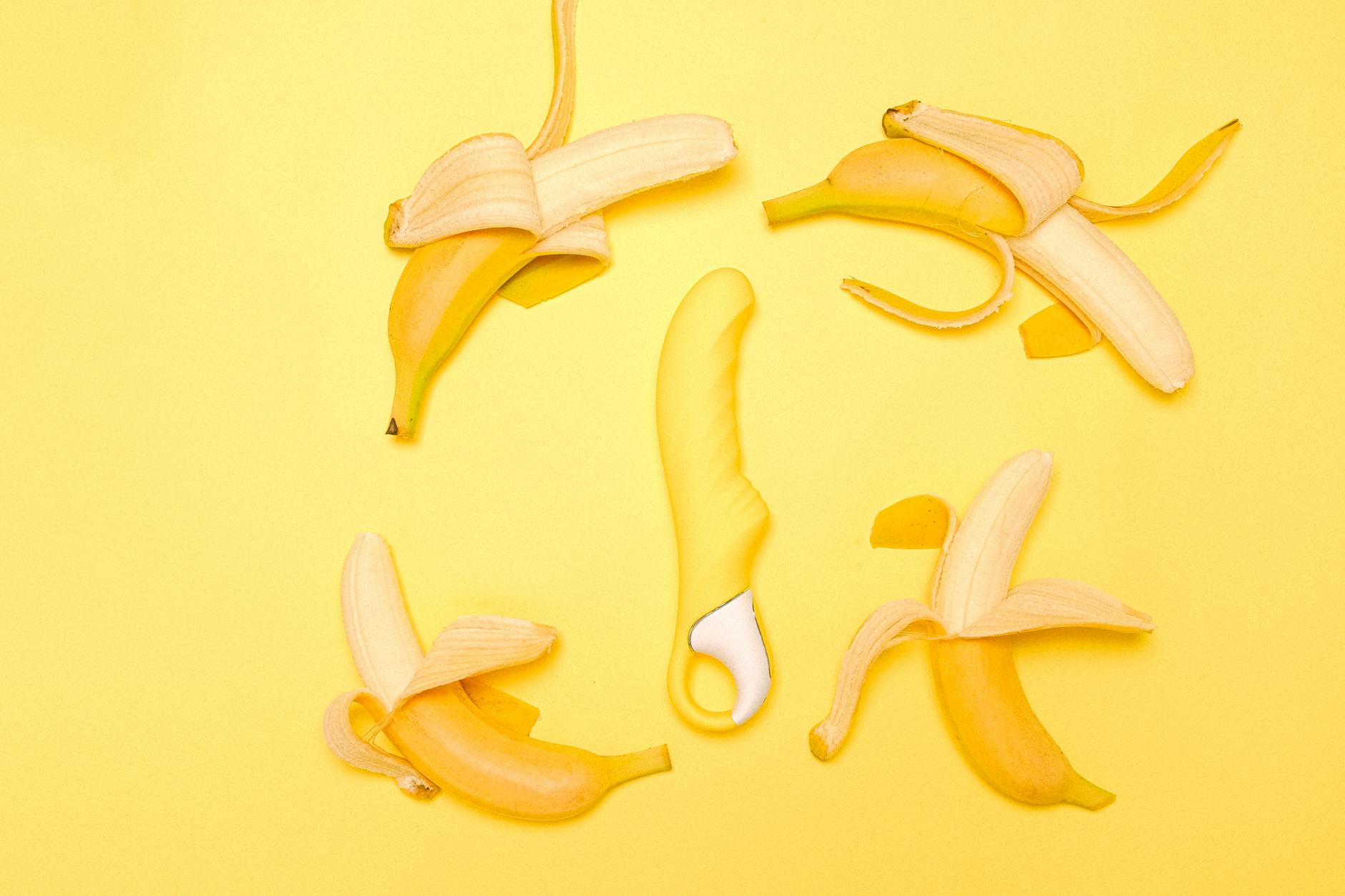
Here's what nobody tells you about sensitive tissue
Sensitive doesn't mean broken. It doesn't mean you need to choose between pleasure and comfort, and it absolutely doesn't mean you should settle for less sensation. It just means the tissue around your clitoris needs a different approach than the vibrator-and-friction model that dominates the market.
Most traditional clitoral vibrators work by applying direct vibration through contact. If your tissue is thin, recently healed, irritated, or simply responsive to pressure, that direct friction can feel overwhelming, irritating, or even painful. Enter lemon vibrators and their suction-based design. Instead of pressing vibration into your skin, they create a gentle seal and stimulate through air-pulse technology. It's a fundamentally different mechanism, and for people with sensitive tissue, it's often the difference between frustration and genuine pleasure.
I've worked with hundreds of clients navigating this exact situation. The relief when they realize they haven't lost sensation capacity, just found the right tool, is profound.
Why traditional vibrators can feel too intense
When tissue is sensitive, three things are usually happening at the micro level. The outer layer might be thinner or more easily irritated. The nerve endings are closer to the surface and fire more readily. Or there's inflammation you can't see, which makes direct pressure feel sharp rather than pleasant.
A standard clitoral vibrator, even on its lowest setting, delivers vibration across the full surface area making contact with your skin. If that's 1 square centimeter of pressure at 10,000 vibrations per minute, the cumulative effect can feel abrasive. Worse, the longer you use it, the more reactive your tissue becomes. You end up chasing sensation that keeps moving away.
Lemon vibrators work differently. They use air-pulse suction, which means they're not vibrating against your tissue at all. Instead, they're creating rhythmic pulses of gentle pressure and release. This has several advantages. First, the sensation is distributed more evenly across the area. Second, you get natural breaks between pulses, which prevents the nerve endings from becoming desensitized. Third, you have far more control over intensity because you're managing suction level, not vibration frequency.
The anatomy of why suction feels better for sensitive clitoral tissue
Your clitoris has roughly 8,000 nerve endings concentrated in the glans (the visible tip). Those nerves respond to different types of stimulation. Some prefer direct pressure, some prefer vibration, and many prefer suction. Most people have a mix of all three preferences, but if you have sensitive tissue, your suction-responsive nerves often become the primary players.
When you use a lemon vibrator, the suction creates a gentle engorgement of the tissue, which actually thickens it slightly and makes it less reactive to subsequent stimulation. This is the opposite of what happens with friction-based vibrators, where continued stimulation can thin and irritate the tissue further.
Most users find that starting on the lowest suction setting feels almost gentle. Many describe it as a soft tugging or light humming sensation rather than a buzz. You can build intensity gradually, and because the mechanism is so different, even "high" on a lemon clitoral vibrator rarely feels harsh.
Starting with lemon vibrators if your tissue is reactive
Begin with intention, not just impulse. Set aside time when you're genuinely aroused, not when you're trying to produce arousal on a deadline. Sensitivity often improves dramatically when your body has already begun its own natural lubrication and blood flow. Spend at least 10-15 minutes on foreplay, breathing, or fantasy before introducing the toy.
Apply a water-based lubricant. This isn't because something is wrong with you. It's because lubrication creates a buffer between the toy and your skin, which reduces friction and lets suction work more effectively. A light layer is enough. Too much can reduce sensation.
Start on setting 1 or 2. Most lemon vibrators have 5-10 intensity levels. Your instinct might be to test a few settings, but resist it. Spend a full session on the lowest setting. This sounds tedious, but it's actually the fastest path to discovering what your body responds to. You're giving your tissue permission to warm up and your nervous system permission to recognize the sensation without overwhelming it.
If it feels good at low intensity, try 5-10 minutes there. Notice what patterns feel best. Some people prefer steady suction. Others like pulsing. Many like a combination. You're collecting data about your own pleasure, which is the entire point.
Positioning and pressure matter more than you think
Don't assume you need to position a lemon vibrator the same way you'd position your fingers or another toy. The seal matters for suction, which means the angle and fit create different sensations.
Experiment with direct contact on the glans (the most sensitive part). Try gentle pressure slightly off-center, which many people find less intense. Some prefer approaching from the side rather than head-on. Others like pressure on the shaft of the clitoris, which is often less reactive than the tip.
The beauty of the lem vibrator and similar designs is that they're small enough to give you precise control. You're not just choosing intensity. You're choosing where the sensation lands. For sensitive tissue, that precision is everything.
Don't press hard. Suction works best with a light, consistent seal. If you're bearing down or pushing firmly, you're actually working against the mechanism. The toy should feel like it's gently holding your tissue, not clamping it.
Lubrication strategies for extended sessions
Water-based lube dries out over time, especially during longer sessions. This isn't a sign you should stop. It means your tissue might be getting slightly reactive as the buffer disappears. Reapply lube every 10-15 minutes if you're going longer.
Some people prefer silicone-based lube because it lasts longer and feels richer. If you go this route, make sure your vibrator is silicone-safe (silicone lube can degrade certain silicone toys, though most modern designs are compatible). Check the documentation on your specific lemon adult toy first.
Honestly, most people with sensitive tissue find that water-based is gentler on their body and works best with air-pulse toys anyway. The frequent reapplication becomes part of the rhythm, and many find it actually extends pleasure because you're checking in with yourself regularly.
When sensitivity is a sign of inflammation or irritation
If your tissue feels reactive, painful, or overly sensitive even at rest, that's worth investigating with a gynecologist before introducing any toy. Sometimes sensitivity is temporary (hormonal changes, healing, recent irritation). Sometimes it's chronic and treatable. Either way, you deserve clarity.
Conditions like vulvodynia, lichen sclerosus, or vulvovaginal atrophy (common after menopause or certain medications) absolutely can be managed with lemon vibrators, but you might need to pair that with topical treatments or other approaches your doctor recommends. The toy alone isn't the full solution, but it can be a powerful part of rebuilding sensation and pleasure.
Building confidence with gentle tools
Pleasure isn't a performance metric. If your body has been giving you mixed signals or if past experiences with vibrators felt uncomfortable, lemon vibrators offer something genuinely different. Because the mechanism is so fundamentally different from traditional vibrators, you're not bringing previous frustration into the experience.
Give yourself permission to discover what actually works for your specific body. Sensitivity isn't a limitation. It's information. Some of the most intense, satisfying sensations come from learning to work with your body's actual preferences rather than forcing it into a generic template.
People also ask
Can I use lemon vibrators if I have vulvovaginal atrophy?
Yes, and they're often recommended. Atrophy thins tissue, which increases sensitivity to friction. Suction-based lemon sexual toys avoid friction entirely while still delivering intense sensation. Pair them with a water-based lubricant and start on the lowest intensity. Many people find that regular, gentle use actually improves tissue health over time by increasing blood flow and promoting natural lubrication.
How is suction different from vibration for sensitive clitoral tissue?
Vibration applies motion directly to your tissue through contact. Suction creates rhythmic pressure and release without friction. For sensitive tissue, suction is gentler because there's no grinding motion, but it's often more intense because it engages more nerve endings through engorgement. It's a different sensation, not a lesser one.
How long does it take to adjust to lemon vibrators if I'm used to other toys?
Most people need 2-3 sessions to recognize the pattern. 5-10 sessions to really understand their preferences. The lem vibrator and similar designs reward patience. You're retraining your nervous system to recognize a new type of stimulus, which is why starting on low intensity for full sessions matters more than bouncing between settings.
What lubricant works best with clitoral vibrators for sensitive skin?
Water-based is safest if you have reactive tissue because it's gentle and doesn't interact with your skin chemistry. Reapply every 10-15 minutes during longer sessions. Silicone-based lasts longer but can feel thicker, which some people with sensitivity find less comfortable. Test both and trust your body's feedback.
Is it normal for sensitive tissue to feel less sensation at first?
Completely normal. You might be expecting the buzz-and-grind of a traditional vibrator. Suction feels subtler initially, which some perceive as less intense. Give it time. Most people find that after a few sessions, suction actually feels stronger because it's working with your nervous system's actual preferences rather than against them.
When should I see a doctor about clitoral sensitivity?
If sensitivity showed up suddenly, is accompanied by pain, itching, or unusual discharge, or if it's not improving with gentle techniques, get it checked. Hormonal changes, medications, skin conditions, and infections can all show up as sudden sensitivity. A gynecologist can rule out treatable issues and help you understand what you're working with.
Your body knows what it needs
Sensitive tissue isn't a barrier to pleasure. It's a signal. Lemon vibrators listen to that signal in a way most other toys don't. They let you explore intensity on your terms, without forcing your body through discomfort to get there. That's not settling. That's actually advanced pleasure. Start low, stay present, and let the feedback from your own body guide what comes next. Your sensitivity isn't a problem to overcome. It's an invitation to explore what actually works for you.