How to Use Lemon Vibrators When You Feel Disconnected From Pleasure After Grief
Let's be real. Grief doesn't just affect your heart. It hits your body first—numbing sensation, killing desire, making everything feel muted and far away. Pleasure becomes something that happens to other people. The thought of feeling good again can even trigger guilt.
I've worked with hundreds of people navigating this exact landscape. The disconnection is real. But it doesn't have to be permanent.
The neurobiology of grief-numbed pleasure
When you're grieving, your nervous system camps in survival mode. The vagus nerve, which carries signals about pleasure and safety, gets stuck on high alert. Your brain literally deprioritizes sensations that feel non-essential. Food tastes like cardboard. A favorite song feels hollow. Touch, including self-touch, can feel intrusive or even dissociative.
This is not a personal failing. This is your body protecting itself from more pain while it's already underwater.
Here's what matters: this state is reversible. But the pathway back requires patience and the right approach. Clitoral vibrators like the Lem work particularly well during grief recovery because they don't require you to generate arousal yourself—they meet your nervous system exactly where it is and signal safety through consistent, predictable stimulation.

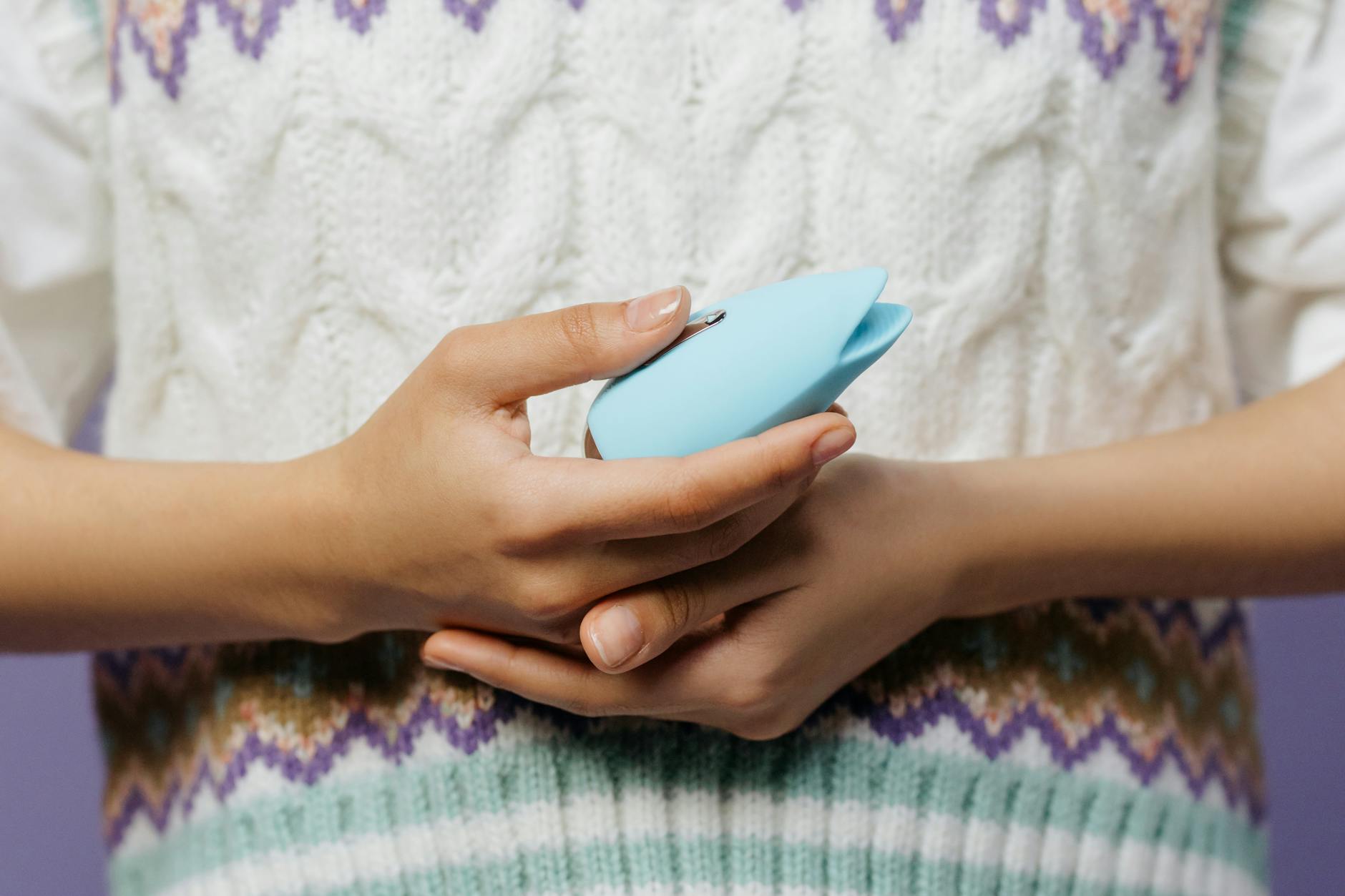
Photo by cottonbro studio on Pexels
Why gentle, solo exploration is the place to start
When you're grieving, your nervous system is already managing a massive threat. Adding a partner into the mix—even a loving, patient partner—can feel like more sensory input than you can process. This is especially true if the grief is connected to a relationship, or if you're worried about burdening someone with your numbness.
Solo reconnection with lemon clitoral vibrators gives you total control. You set the pace. You can stop anytime. There's no performance, no expectation, no one else's pleasure to monitor. This safety is the foundation for sensation to return.
Start with intention, not arousal. Your goal isn't orgasm. It's simply to feel something—to remind your nervous system that sensation exists and that it's safe. That's honestly enough.
The recovery timeline and what to expect
Grief doesn't follow a schedule. But I've noticed a pattern in how sensation returns.
Weeks one to three: You might feel nothing. Or numbness with occasional moments of awareness—a slight flutter, then back to flatness. This is normal. Your body is testing whether it's safe to feel. Don't interpret the numbness as permanent.
Weeks three to eight: Sensation might return in bursts. You'll have a session where something clicks, then silence for two weeks. This isn't backward progress. This is your nervous system learning that pleasure-seeking is safe again.
Weeks eight and beyond: Consistency starts to rebuild. The gap between sessions shrinks. Sensation becomes more predictable, less fleeting.
The Lem's air-suction technology helps here because it provides consistent, rhythmic input—the exact signal your nervous system needs to recalibrate safety. The suction sensation is different from vibration alone; it's less overwhelming for trauma-dampened nervous systems.
How to actually start (the practical steps)
First, pick a time when you're alone and have zero pressure. Not when you're trying to "feel better." Just when you have 15 minutes and you're curious enough to try.
Start clothed. Yes, clothed. Place the vibrator over your underwear, on the lowest setting or lowest suction pattern. Feel that. Let it register. If your body tenses, that's information—it means your nervous system isn't quite ready yet. That's okay. Do this five times before moving forward.
Once over-the-clothes contact feels neutral (not bad, not good, just there), try it directly on skin—same lowest setting. Spend a full five minutes at this level, just noticing. No agenda. Some people report tingling. Some report nothing. Both are fine.
After a few sessions at the lowest level, try the next pattern up. Not because you should, but because you're curious. That curiosity is your body signaling readiness.
Honestly, weeks of hovering at the lowest settings is not wasted time. That's the rewiring happening.
When guilt shows up (it usually does)
Many people feel guilty reconnecting with pleasure while grieving. The logic goes: If I can still feel good, the person I lost wasn't important. If I'm not in constant pain, I'm betraying their memory.
This is the most common block I see, and it's worth addressing directly. Pleasure and grief coexist. They always have. You can miss someone with your whole body AND feel pleasure. Feeling good doesn't diminish the loss. It honors the fact that the person you lost would want you to feel okay again.
When guilt surfaces during a solo session, pause. Breathe. Acknowledge the feeling without acting on it. You're allowed to feel both.
If you're working with a therapist, bring this up. It's significant enough to process intentionally.
Reintroducing touch with a partner (when you're ready)
Partner touch is a different conversation from solo reconnection. Your partner can't rush you, and you shouldn't feel pressure to be "better" for them.
When you do want to invite a partner back in, start by just being in the same room while you explore alone. Not watching necessarily—just nearby, reading, existing. This signals to your nervous system that pleasure and partnership can coexist.
If you want them involved, the Lem is brilliant for partner use. They can hold it, control the pattern, or just be close while you guide. This keeps the focus on your sensation without requiring you to manage their arousal or pleasure.
Talk before, not during. Tell them: "I need low pressure and no expectation. I might not come. I might need to stop." Partners who understand grief get it.
The role of lubrication and physical comfort
Grief often brings shallow breathing, tension in the pelvic floor, and dryness. Water-based lubricant becomes non-optional. It's not about dysfunction. It's about removing friction that could feel jarring to an already-sensitized nervous system.
Apply generously. Reapply if things dry out. The Lem's suction works better with slight lubrication anyway—it creates better seal and smoother sensation.
Pelvic floor awareness matters too. When you're tense from grief, your pelvic floor is locked. Before each session, spend two minutes with your hand on your lower belly, breathing into it. Exhale and imagine releasing that muscle on the way out. You're not trying to relax forcefully. You're just signaling permission.
How lemon vibrators specifically support grief recovery
Lemon clitoral vibrators like the Lem are designed with the nervous system in mind. The air-suction mechanism is gentler than traditional vibration, especially for people whose tissue sensitivity is heightened by stress or grief. The patterns are rhythmic and predictable—no surprises—which your grieving nervous system actually craves.
The suction sensation also stays localized. You're not fighting whole-body vibration while you're trying to regulate. That focus helps—less stimulus to process, more signal that sensation is returning specifically where you need it.
And honestly, there's something about the design and color of lemon sexual toys that feels less clinical, more like self-care. When your body is grieving, that distinction matters.
When to ask for professional support
If six weeks of gentle solo exploration brings zero sensation—not even curiosity—that's worth mentioning to your grief counselor or therapist. It might indicate complicated grief, dissociation, or depression that needs clinical attention.
Same if you're experiencing pain, significant numbness despite consistent exploration, or if the guilt becomes overwhelming. These aren't signs you're broken. They're signs you need support beyond a lemon vibrator.
A good therapist trained in somatic work (body-based therapy) can help you reconnect sensation and grief simultaneously, rather than trying to separate them.
What comes after reconnection
Once sensation starts returning, you'll probably notice other things shifting. Appetite normalizes. Sleep improves. The world doesn't feel quite as gray. This isn't because pleasure is magic. It's because reconnecting with your body signals to your brain that the crisis is moving to the past.
Your relationship to pleasure will probably feel different than it was before the grief. That's not bad. Often it's deeper. You've rewired it intentionally instead of taking it for granted.
And if you want to explore lemon clitoral vibrators when sensation changes after hormonal shifts or reconnect with pleasure after a relationship break, that knowledge will serve you.
FAQ: Reconnecting With Sensation After Grief
How long does it take to feel pleasure again after grief?
There's no fixed timeline. Some people notice shifts in weeks. Others take months. Your nervous system is recovering from trauma, and that process doesn't rush. The key is consistency without pressure. Regular, judgment-free exploration signals to your body that it's safe. That signal is what creates change, not the intensity of your effort.
Is it normal to feel nothing when using lemon vibrators while grieving?
Completely normal. Grief dampens sensation as a protective mechanism. Feeling nothing doesn't mean you're broken or that sensation won't return. It means your nervous system is still in high-alert mode. Continue gentle, consistent exploration. Sensation often returns suddenly after weeks of apparent numbness.
Can using a clitoral vibrator like the Lem feel intrusive or unsafe during grief?
Yes, it can. If direct touch feels overwhelming, start over your clothes. If the stimulation itself feels jarring, try lower suction patterns or longer intervals between sessions. Your body is communicating. Honor that. There's no timeline you're falling behind on.
Should I tell my partner I'm reconnecting with pleasure solo after grief?
That depends on your relationship and your needs. Some people benefit from privacy during this phase. Others want their partner to know and understand. If you share a bed or intimate life, honesty helps. You might say: "I'm working on reconnecting with my body. I need some solo time for that right now." A partner who loves you will respect it.
What if guilt keeps interrupting my sessions?
Pause, acknowledge it, and keep going. Guilt will soften over time as you realize that feeling pleasure doesn't diminish your grief or your love for the person you lost. If guilt is relentless, bring it to therapy. That's clinical work, not something a vibrator can fix alone.
Can grief medication affect arousal and sensation?
Absolutely. Some antidepressants and anti-anxiety medications flatten sensation as a side effect. If you started medication around the time your pleasure shut down, that might be part of the picture. Ask your doctor about timing and alternatives. Sometimes a med adjustment helps. Sometimes reconnection takes a bit longer and that's fine too.
Reconnecting with pleasure after grief is an act of radical self-permission. You're not betraying anyone. You're honoring your survival by signaling to your body that the threat is passing. That matters. Start small, stay consistent, and trust that sensation returns when your nervous system believes it's safe. A lemon vibrator can be the tool that makes that signal clear.
If you're struggling with this journey, reach out. That's what we're here for.