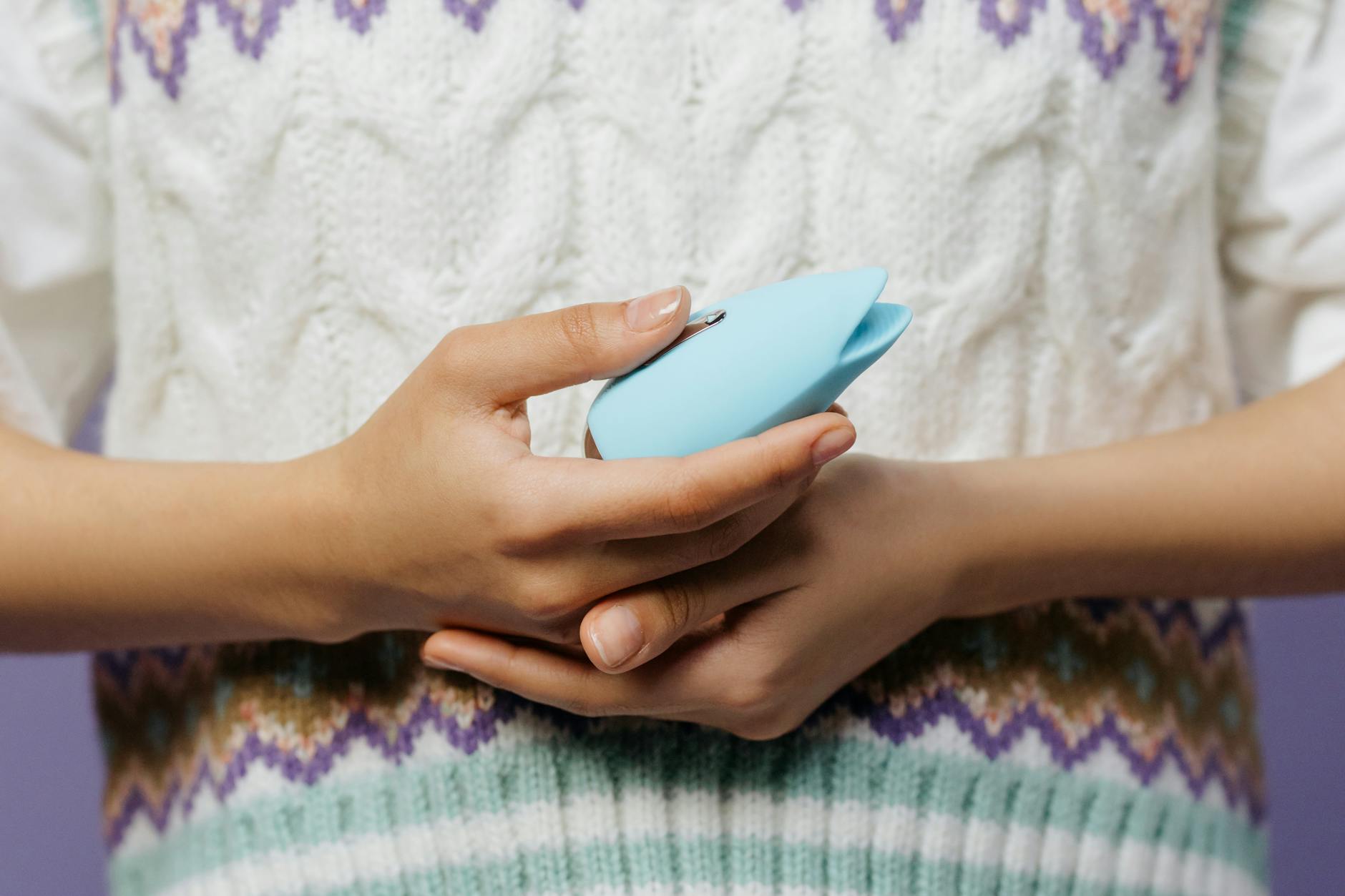
Let's start with the real problem
You love your partner. You want your partner. And somehow, you almost never have time to actually touch your partner. One of you is working late. The other has an early meeting. Kids need dinner. The dog needs a walk. By the time you're both finally in the same room with energy left, someone's asleep.
This isn't a relationship problem. It's a logistics problem. And logistics problems have practical solutions.
Why clitoral vibrators actually solve this
Here's the thing most couples don't realize. Lemon vibrators aren't just toys for solo play. They're a communication tool disguised as pleasure. When schedules don't align, they let you say "I want us" without needing a two-hour window and perfect timing.
A traditional sex session might take 30-45 minutes if you want it to feel connected. A lemon clitoral vibrator can deliver satisfaction in 10-15 minutes. That's the difference between "we'll never manage this" and "okay, we can do this Tuesday morning before work."
There's also a psychological shift. When you stop waiting for the perfect conditions and start using what you actually have, the pressure lifts. You're not building resentment about unmet needs. You're building a rhythm that actually works for both of you.
The practical setup for mismatched schedules
Start by being honest about what time you actually have. Not what you wish you had. What you genuinely have.
If your windows are small, create a micro-ritual. Tuesday morning at 7:15 before work. Sunday evening at 8. Wednesday lunchbreak if one of you works from home. These don't have to be long. They have to be consistent and protected.
The second piece is the device itself. Lemon vibrators are designed for speed and targeted sensation. If you're working with 15 minutes, you need reliable pleasure, not a slow build. The suction-style design of clitoral vibrators creates intense sensation quickly without requiring a lengthy warm-up.
Bring lube regardless of whether you think you need it. Even if one partner is tired or slightly disconnected mentally, lube makes everything easier. It removes friction literally and socially. You're not working around obstacles. Everything flows.
What actually happens when you make this intentional
Three things shift when busy couples start using lemon vibrators together:
You stop treating sex like a luxury event. Instead of waiting for a weekend away or a babysitter, you're having intentional physical connection on a Tuesday. That frequency matters more than duration. Your brain stops cataloging what you're missing and starts recognizing what you're getting.
Your partner sees your desire. Using a vibrator together isn't about the device. It's about saying "I want you badly enough that I'm not going to wait for perfect conditions." That's hot. That's the opposite of rejection. That's "you matter to me." Partners respond to that.
Shame gets smaller. Busy couples often feel guilty about not having sex often enough. They feel broken. They feel the relationship is broken. When you reframe it as "we're solving for reality instead of fantasy," the shame evaporates. You're being practical and connected. That's not failure. That's partnership.
When one partner has way more desire than the other
This is the conversation that actually matters. If one person has significantly higher libido, lemon vibrators can help. They let the higher-desire partner have their needs met without requiring the other person to perform.
But here's where it gets important. Using a vibrator isn't a substitute for talking about why the mismatch exists. Is it stress? Medication? Hormonal shifts? Resentment about something else in the relationship? If you just use the toy and ignore the actual reason, you're papering over a crack.
The combination is better. Address what's under the mismatch. Then use clitoral vibrators to stay connected while you both work on it. They're a bridge, not a destination.
The emotional side of pleasure on a schedule
There's a weird mental block couples hit. If it's scheduled, is it spontaneous enough to count? Does it feel too planned? Will it feel less genuine?
Honestly, no. Scheduled intimacy often feels more genuine because nobody's resentful. Nobody's waiting for the other person to initiate. Nobody's keeping score. You both showed up at the agreed time. That's a choice. That matters.
Plus, there's something weirdly sexy about an arrangement. You know Tuesday morning is yours. You might think about it Monday evening. You might tell your partner you've been thinking about it. That anticipation is part of the experience. It's not less than spontaneity. It's different. It's often better because you're both actually present.

Photo by Anna Shvets on Pexels
How to bring this up with your partner
Don't lead with "we need to have more sex." That creates defensiveness. Lead with "I miss us. I want us to figure out a way that actually works." Then bring the practical solution. We have 15 minutes Wednesday mornings. We have Thursday lunch if we're both home. One of those?
Then name the tool. "I read about lemon vibrators being great for couples when time is tight." That's it. Not a big speech. Not a suggestion that your partner is broken or that the relationship is in trouble. Just a practical suggestion.
The best angle is framing it as a feature, not a fix. "I want to try this because it gets us there faster and I love you." That's the actual message. The vibrator is just the mechanism.
Making it work physically with limited time
Few tactical things. First, skip the extended foreplay if you don't have time. Lube handles what extended foreplay usually does. You're not warming up tissue. You're not building arousal from zero. You're optimizing for the 15 minutes you have.
Second, focus on what lemon clitoral vibrators do best. They create intense, targeted sensation at the clitoris. That's the fastest route to physical release in most bodies. Use that. Don't treat it like a partner should be handling everything. The vibrator is part of the toolkit, same as hands or mouths.
Third, don't make it a performance. You're not trying to seem super horny or have a dramatic orgasm. You're trying to feel good and feel connected. Those are two different things. Sometimes they happen together. Sometimes you get one and that's enough.
When busy schedules change, what sticks
Here's what I see with couples who've created this rhythm. Even when their schedule finally opens up, they don't go back to waiting for perfect conditions. They keep the intentionality. They keep the frequency. They just have more flexibility now.
The habit of prioritizing each other's pleasure stays. The regular connection becomes normal instead of aspirational. The shame dissolves. You've proved to yourselves that you can keep this alive even when everything else is loud and demanding.
That's what sticks. The practice of choosing each other, even in small ways, over and over.
Frequently asked questions
How often should busy couples use a lemon vibrator together if time is really limited?
Start with twice a month if that's realistic. Two intentional times beats zero times. Once you establish that rhythm, aim for twice a month, then potentially weekly. Frequency matters way more than duration for keeping connection alive. Ten minutes twice a week is better for your relationship than never.
Does using a vibrator together take away from partner intimacy?
No. The opposite actually happens. Using a vibrator together is a form of partner intimacy. You're present, you're focused, and you're collaborating on each other's pleasure. That's intimacy. It's not less connected because a device is involved. It's actually more present in many cases because you're not stressed about performance.
What if one partner thinks lemon vibrators are impersonal?
That's usually about shame or discomfort, not about the vibrator. Have the actual conversation. "What bothers you about this?" Listen without defending. Often it's fear that they're not enough. That's a partnership conversation, not a device problem. Once you address that, using the vibrator together becomes about choosing each other, not avoiding each other.
Can we use a lemon clitoral vibrator during partner sex to speed things up?
Absolutely. That's one of the smartest uses. If you have limited time and one partner needs more stimulation to finish, a lemon vibrator takes 15 minutes down to 8. It removes the awkward "sorry, this is taking too long" dynamic. It removes resentment. It's collaborative.
Does scheduling intimacy kill spontaneity permanently?
No. Scheduled intimacy often creates spontaneity because the pressure lifts. You're not waiting for permission or perfect timing. When you're less stressed about whether it'll happen, spontaneous moments happen more often. Plus, anticipation before a scheduled time feels pretty spontaneous emotionally.
What if our schedules are so chaotic that even scheduling doesn't work?
Then you're looking at a bigger conversation. That's not a vibrator problem. That's a relationship-priority problem. If you literally cannot find 15 minutes twice a month for each other, something else needs to shift. Maybe it's work, maybe it's family structure, maybe it's both. But the solution isn't a better toy. The solution is restructuring what's possible. That might mean therapy or coaching to figure out what needs to change.
The reality of connection under pressure
Busy schedules feel like a threat to intimacy. In reality, they're just a constraint to work around. Lemon vibrators are one practical tool for that. The real tool is deciding your connection matters enough to protect it even in small ways.
Tuesday morning at 7:15. That's not romantic. It's also not nothing. It's you, showing up. It's your partner, showing up. It's both of you saying "we're still choosing each other." That builds something. That lasts.
Start somewhere. Start small. Start realistic. Everything else follows.
Sources and further reading
Gottman, J. M., & Silver, N. (2015). "The Seven Principles for Making Marriage Work." Crown Publishers.
Eley, R. A. (2009). "Sex and the Workplace: The Impact of Desire and Competing Life Demands." Contemporary Family Therapy.
Muestafić, A. (2021). "Intimate Timing: How Schedule Misalignment Affects Couple Satisfaction." Journal of Couple and Relationship Therapy, 20(3), 234-251.