Let's name what's actually happening
You're with your partner (or alone) and there's this invisible clock running. Sex needs to happen now, finish by then, look a certain way. Or maybe it's you putting the pressure on yourself. Either way, pleasure gets squeezed into a timeline that has nothing to do with your body, your breath, or what actually feels good.
This is the most commonly reported barrier to sexual satisfaction that has nothing to do with desire itself. And it's fixable.
Why pressure shuts down pleasure
Your nervous system doesn't care about schedules. When you're rushed, your body stays in a low-level fight-or-flight state. Your pelvic floor tightens. Blood flow pools in your core (survival mode) instead of your genitals (pleasure mode). You might feel aroused in your mind but completely disconnected from your body. Some people describe it as watching sex happen to them rather than experiencing it.
This is neurobiologically real. Pressure triggers your sympathetic nervous system. Pleasure requires parasympathetic activation. You literally cannot be in both states at once.
The good news: tools like lemon vibrators can help you work around this. Not because they're magic, but because they shift the entire power dynamic. Instead of waiting for arousal to happen on someone else's timeline, you're actively generating sensation on yours.
The solo practice that changes everything
Before you bring this into partnered sex, you need to know what your own timeline actually feels like. Alone, with no audience, no schedule.
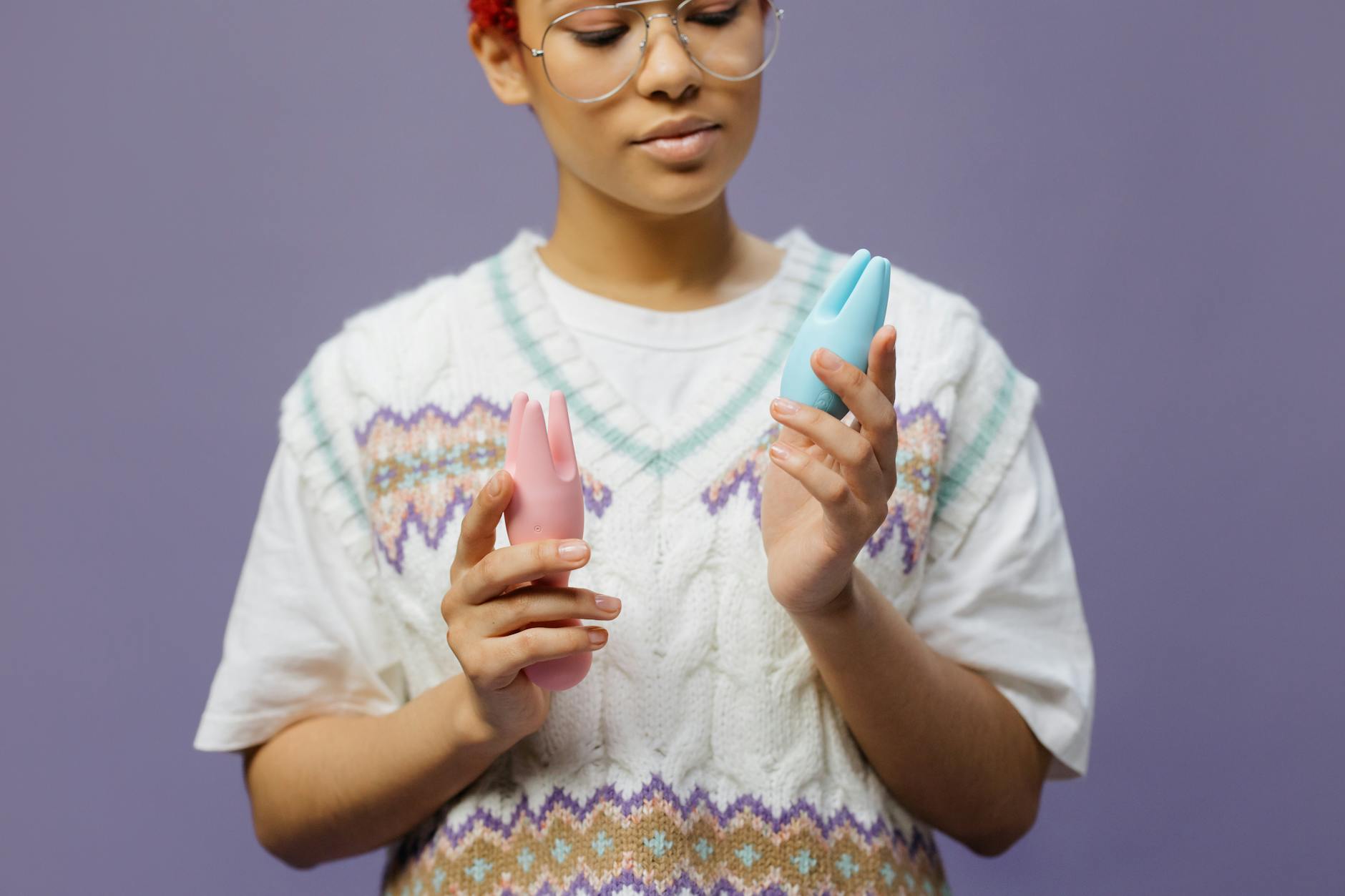
Set 45 minutes aside. Phone off. Lock the door. Get a lemon clitoral vibrator like the Lem, which uses gentle suction rather than vibration, so there's room for your sensation to build gradually.
Start on the lowest setting. Don't aim for orgasm. Aim for noticing. What does arousal actually feel like in your body when there's zero pressure? Does it build slowly? Do you need 20 minutes of warm-up? Do you like firmer stimulation or lighter? Does your body relax first and then arouse, or does arousal come first?
Most people discover they need way more time than they thought. That's not broken. That's data.
How to talk about this with a partner
This conversation is separate from sex itself. Have it clothed, over coffee, not in the bedroom.
Say something like: "I've noticed sex feels rushed sometimes, and it changes what I can feel. I want to slow down and figure out what my body actually needs. That might mean less frequency for a while, or it might mean we spend more time on foreplay, or I might use a vibrator for the first part so I can actually get there. I'm not saying there's anything wrong with you. I'm saying there's something I need."
A partner worth keeping will hear that as: they want more pleasure with me, which benefits both of us.
A partner who gets defensive is telling you something important about whether they're actually interested in your experience. That's useful information.
Lemon vibrators and the permission to move at your pace
Here's the specific shift that happens when you have a clitoral vibrator in your hand.
You're no longer dependent on your partner's arousal cycle, their stamina, their technique, or their idea of what sex should look like. You're in control of intensity, rhythm, and timing. You can pause whenever you want. You can ask for different kinds of touch while you use it. You can take 30 minutes if that's what your body needs.
Many people find that this feels so much less pressured that arousal actually shows up. The paradox of sex: when you stop trying to perform it, pleasure becomes possible.
If you're using a lemon sucker or lemon clitoral vibrator during partnered sex, you also set the pace. Your partner can be fully present, touching you elsewhere, but they're not managing your timing. That's yours.
When pressure is actually a bigger issue
If your partner consistently pressures you into sex, rushes you, or dismisses your need for more time, that's not a technical problem vibrators can fix. That's a boundary and trust issue.
In that case, a lemon vibrator might help you understand your own body better, which gives you more information to bring to a therapist or a difficult conversation. But the real work is deciding whether this person's approach to your pleasure is acceptable to you.
You deserve a partner who is genuinely interested in your experience, not just their own release.
Practical setup for less pressure
Three small changes that make a massive difference.
Schedule sex instead of waiting for spontaneity. This sounds unromantic but it's actually the opposite. You have time to prepare mentally. You know when it's coming. You can rest beforehand. You're not ambushed by desire on someone else's timeline.
Build in 15 minutes of non-sexual touch first. Massage, kissing, skin-to-skin contact. No genital touch. This gives your nervous system time to downshift before pleasure begins.
Use your lemon vibrator early, not late. Don't wait until you're frustrated that arousal isn't happening. Use it in the first 5-10 minutes as part of foreplay. This gives your body time to properly arouse before penetration or other activities begin.
The longer conversation about speed and intimacy
Rushed sex often means rushed intimacy. Your partner doesn't know what you like. You don't feel safe enough to ask. Sex becomes about performance instead of connection.
When you slow down, everything changes. You notice your partner's touch differently. You can ask for what you want. You can be present instead of dissociated. That's worth protecting.
For some couples, slowing down means rethinking how much time you're protecting for intimacy. Not more sex necessarily. Just sex that doesn't have a hard stop time because someone has to be somewhere in 20 minutes.
For people working through this alone, it means building a sex life that genuinely reflects your needs instead of what you think it should look like.
Using lemon vibrators when external pressure is high
Maybe the pressure isn't coming from a partner. Maybe it's work stress, family obligations, or just the feeling that you should want sex more than you actually do.
In those moments, lemon clitoral vibrators can be a form of reclamation. You're not doing this for anyone else. You're exploring what your body is actually capable of when the rest of the noise quiets down.
Some people find that regular solo time with a vibrator, even just 15 minutes, completely shifts their nervous system. Your body remembers what pleasure feels like without pressure attached. That memory changes how you show up in other intimate moments.
FAQ: Pressure, pleasure, and pacing
How do I know if the pressure is real or if I'm just anxious about sex?
Real external pressure usually comes with actual consequences. Your partner gets frustrated or distances themselves if sex doesn't happen. They rush foreplay or skip it entirely. They dismiss your requests for more time. Anxiety about sex feels internal: you want it, but your body won't cooperate, and you're annoyed at yourself. Those are different problems with different solutions. A therapist can help you sort which is which.
Can lemon vibrators help if my partner feels threatened by them?
Some partners worry that a vibrator means they're not enough. That's actually about insecurity, not about your needs. A good conversation is: this helps me understand my body better, which helps our sex life. It's not about replacing you, it's about me showing up more fully. If they still push back, that's a sign they care more about their ego than your pleasure. That's relevant information.
What if I'm the one putting pressure on myself?
That's super common, especially if you've internalized the idea that "good sex" should look a certain way or happen on a certain timeline. Start by noticing the pressure without judging it. Where does it come from? An old partner? Your family's messages about sex? Media? Once you know the source, you can ask yourself: is this actually what I want, or is this what I think I should want? A lemon clitoral vibrator is a good way to find out what your body actually wants when you take the performance pressure off.
Is it normal to need 30 or 45 minutes to get aroused?
Completely normal. Arousal timelines vary wildly depending on stress, hormones, medications, sleep, and how safe you feel. When you're rushed, you'll never know your actual timeline because you're always stopping short. Taking the time to find out (solo, no pressure) is actually essential information for better partnered sex.
How do I ask my partner to slow down without making it weird?
Be direct and do it outside the bedroom. "I want to try something different. I want us to take more time before we get into sex. I want to use a vibrator during foreplay so I can get more aroused." Then show them that this makes sex better for both of you. Let the results speak for themselves. Most partners are relieved to have explicit information about what actually works.
Can lemon suction vibrators help with performance anxiety?
Yes, because they reduce the stakes. You're not waiting for spontaneous arousal or waiting for your body to cooperate on cue. You're generating sensation actively. That shifts the power dynamic from your body failing you to you taking control of your own pleasure.
Here's what matters most
Your pleasure is not negotiable. Your timeline is not something you have to justify or rush through. If someone loves you, they want you to feel good. If they don't, that's information about them, not about your right to take your time.
Lemon vibrators are a tool that puts you back in control. Not because you need fixing. Because you deserve to experience intimacy on your terms. Need more guidance on rebuilding trust and connection in your intimate life? That's where how to rebuild intimacy when trust has been broken might help. Or if the pressure is more about mismatched desires overall, how to use lemon vibrators when your partner has mismatched libido digs into that specific dynamic.
You deserve slow. You deserve to feel good. You deserve a partner, or a solo practice, that honors both.