Surgical menopause is a different beast
If you've had your ovaries removed, hysterectomy with ovarian removal, or bilateral oophorectomy, you know: this isn't the slow fade most people call menopause. Your estrogen doesn't taper over five years. It bottoms out in days. Your body is in freefall.
The physical changes are extreme. Hot flashes that soak through clothes in minutes. Vaginal tissue that thins so fast intercourse becomes painful. Brain fog that arrives like a switch flipped. Mood swings that catch you off guard. And pleasure? It often feels like someone turned down the volume on every nerve ending.
Here's what actually helps, and why lemon sexual toys are specifically designed for this particular crisis.
What happens to tissue after surgical menopause
Estrogen doesn't just control fertility. It controls blood flow to your genitals, thickness of vaginal and clitoral tissue, and how quickly arousal builds in your body. When your ovaries are gone, that stops overnight.
Your vaginal tissue becomes thin and fragile. Micro-tears happen easily. Lubrication drops so low that even with lube, intercourse can hurt. The clitoral tissue itself shrinks slightly, which changes how much direct pressure feels good.
But here's what doesn't disappear: your nerve endings. Your brain's capacity for pleasure. Your ability to have intense orgasms. These are still there. They're just harder to access in the first weeks and months.
Most vibrators designed for pre-menopausal bodies use intense, direct vibration. That works when your tissue is thicker and more resilient. After surgical menopause, direct pressure can feel overwhelming or even painful. You need something different.
Why suction-based design matters more now
Lemon clitoral vibrators like the Lem use air-pulse technology instead of traditional vibration. Instead of buzzing directly against tissue, suction gently stimulates the nerve endings around the clitoris without the same mechanical friction.
This matters because thinner tissue is more sensitive to pressure changes but actually more responsive to subtle suction. You get stronger sensation with less intensity. For someone whose body is healing from surgery and hormone loss, that's the difference between pleasure and pain.
The suction approach also means you can start at a lower intensity setting (patterns 1 or 2) and build up as your body adjusts. You're not fighting against the vibrator's intensity level. You're working with it.
The timeline you need to know
Week one through two: Your body is in acute shock. Vaginal tissue is inflamed from surgery. Penetration is off the table. Orgasm might feel impossible because arousal pathways are flooded with stress hormones. This is survival mode, not pleasure mode.
Weeks three through six: Surgical pain fades. Tissue inflammation drops. This is when gentle external stimulation starts to feel manageable. Start here with a lemon clitoral vibrator on the lowest setting, using plenty of water-based lubricant.
Weeks seven through twelve: Your body is finding new baseline. Arousal takes longer to build (expect 20-40 minutes instead of 5). But sensation returns faster than you'd expect. Orgasms often feel different. Describe them to yourself without judgment. Different isn't worse.
Month four onward: Tissue continues to remodel. Hormone replacement therapy (if you're using it) takes time to work. You might notice a slow return of natural lubrication. Arousal pathways strengthen. This is when you might experiment with intensity levels you couldn't access before.
Starting over: the actual protocol
First: water-based lube. Surgical menopause means your body isn't making its own. A good water-based lube feels natural and protects delicate tissue. Silicone lubes are richer but can damage silicone toys. Stick with water-based.
Second: patience with arousal. Set aside 30-45 minutes with zero expectation of orgasm. Your brain needs time to register that pleasure is possible. Use that time for yourself, with a lemon vibrator on the lowest pattern, focused on sensation rather than outcome. Many people find their first post-surgical orgasm happens on accident while they're not pushing for it.
Third: start external only. Even if penetration feels okay physically, your nervous system might still be guarding. Focus on the clitoris and surrounding tissue with a lemon clitoral vibrator. This is where most sensation lives anyway. Penetration can come back later if you want it.
Fourth: log what patterns feel good. Suction technology gives you options. Pattern 1 is usually gentle pulsing. Patterns 2-4 build intensity. Try each for 30 seconds and notice what creates a chain reaction in your nervous system versus what just feels like buzzing. Your body knows.
Emotional grief dressed as numbness
Here's the part nobody warns you about: sometimes the reason orgasm feels hard isn't physiological. It's grief.
Your body changed. Your fertility is gone. Your hormones are synthetically controlled (if you're on HRT) or absent. You might have lost a partner in the process, or watched your relationship shift. You might be angry at your body for needing surgery, or sad about aging, or just exhausted from the physical transition.
All of that can mask as physical numbness. Your nervous system might be protecting you, making pleasure feel inaccessible as a way of saying "this is too much right now."
If that's you, a lemon vibrator isn't the answer. Talking to someone trained in post-surgical recovery and identity shifts is. The vibrator can help when your body is ready. But forcing it before you've processed the emotional part often backfires.
Rebuilding with a partner (or not)
If you have a partner, this is a renegotiation. The sex you had before surgery might not be the sex your body wants now. That's true information, not a failure.
Invite them into the discovery process, but on your terms. "I need to relearn my body. I'd like to do that together, but I'm leading." That's a complete sentence. You're not obligated to perform arousal before you feel it. You're not obligated to want what you wanted before.
If you're single, this is pure self-discovery. No performance, no timeline, no one's expectations but yours.
Hormone replacement and sensation
If you're considering or using hormone replacement therapy (HRT), here's the honest truth: it helps, but it's slow. Estrogen cream applied locally starts working in 2-3 weeks. Systemic HRT takes 6-8 weeks to show real effects. Testosterone therapy, if prescribed, can amplify sensation within weeks.
But you don't have to wait for HRT to work to start rebuilding. A lemon sexual toy works now, at whatever hormone level you're at. Many people find that combining local estrogen therapy with regular use of a clitoral vibrator accelerates the return of sensation.
When to check in with a doctor
If pain is intense or persistent, see your gynecologist. Genitourinary syndrome of menopause (GSM) is treatable. If sensation doesn't begin returning within 3-4 months, especially if you're on HRT, check in. There might be vascular changes or other factors worth addressing.
If you're grieving the loss of pre-surgery sexuality more than expected, a therapist trained in post-surgical identity recovery can help you separate physical sensation from emotional loss. Both are real. Both matter.
The finish line that isn't one
Surgical menopause is a hard reset. Your pleasure will come back, but it will be different. Different pacing, different sensations, different emotional landscape. A lemon clitoral vibrator helps bridge that gap because it works with your new body, not against it.
You're not broken. Your tissue is healing. Your hormones are rebalancing (whether through HRT or adaptation). Your nervous system is learning what pleasure feels like in this new configuration. All of that takes time.
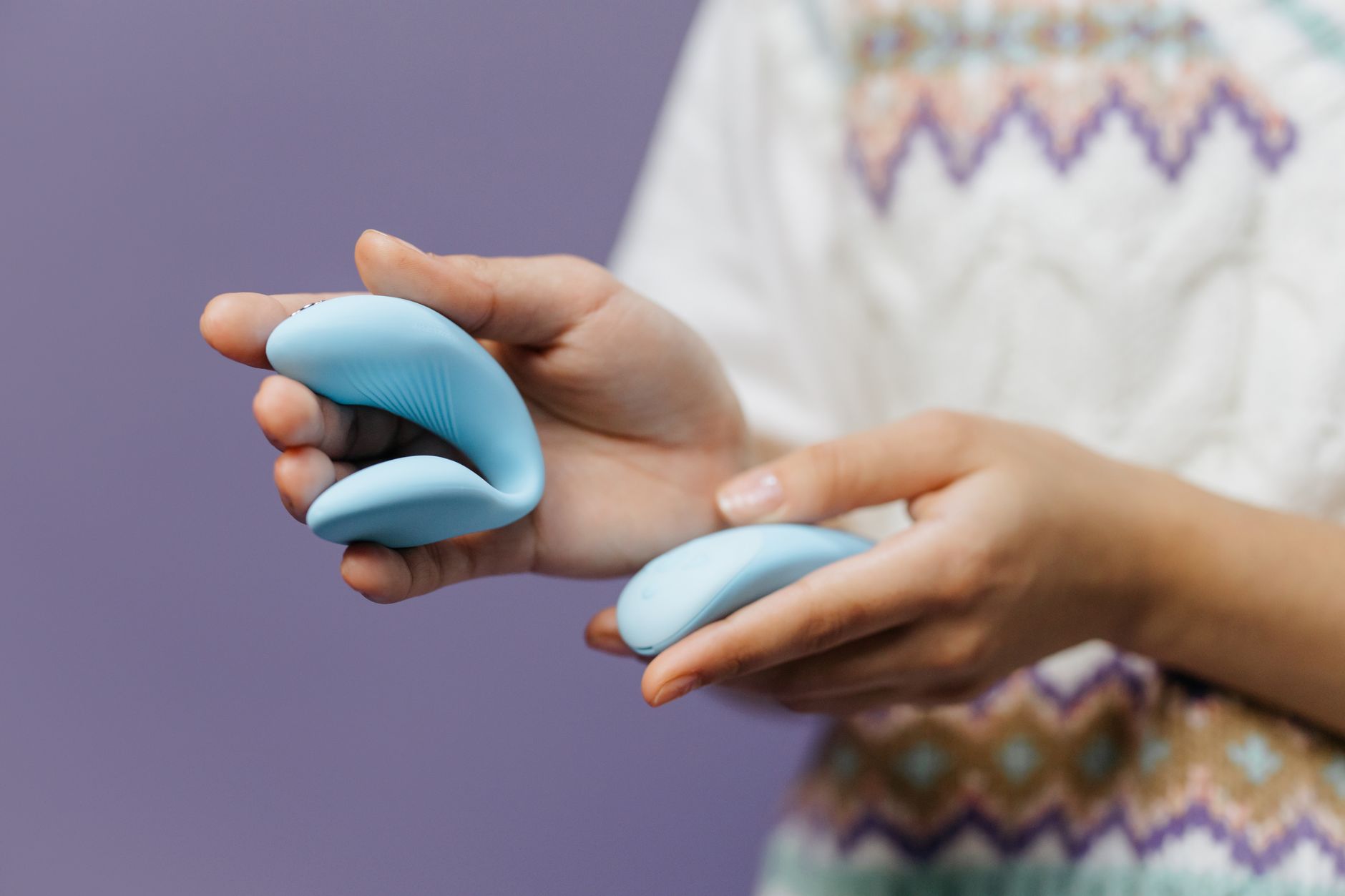
Photo by cottonbro studio on Pexels
FAQ: Rebuilding pleasure after surgical menopause
How long does it take to feel normal sensation again after surgical menopause?
Every body is different, but most people notice measurable improvement in sensation between 8 and 16 weeks. The most dramatic shifts happen in the first month as surgical inflammation fades and tissue begins to adapt. If you're on hormone replacement therapy, the timeline can compress slightly. But if sensation hasn't returned at all by month four, mention it to your doctor. There might be vascular or neurological factors worth investigating.
Can you use lemon clitoral vibrators right after hysterectomy surgery?
Not immediately. You typically need to wait until surgical wounds heal, which is 4-6 weeks. External genitalia heal faster than internal incisions, but your whole pelvic floor is inflamed from surgery. Your doctor will give you a clearance timeline. Once you're cleared for sexual activity, starting with a lemon vibrator on the lowest setting is gentler than penetration because there's no mechanical pressure on delicate tissue.
Does hormone replacement therapy speed up the return of sensation?
Yes, noticeably. Topical estrogen cream applied to vaginal tissue starts showing effects within 2-3 weeks. Systemic estrogen replacement takes longer (6-8 weeks) but affects sensation throughout your body. Testosterone therapy, if prescribed, can amplify clitoral sensation within weeks. But HRT is a personal medical choice. You can experience pleasure without it. It just might take longer.
Why do orgasms feel different after surgical menopause?
Orgasms change because the tissue involved in orgasm changes. Your clitoral tissue is thinner. Your vaginal tissue is thinner. Your pelvic floor has less estrogen support. The sequence of muscle contractions that creates an orgasm might follow a different pattern. This doesn't mean worse. Many people report more focused, intense clitoral orgasms after surgical menopause compared to the fuller-body sensations they had before. Your job is to explore what feels good now, not compare it to before.
Is it normal to feel emotionally disconnected from pleasure after surgical menopause?
Completely normal. Your body changed rapidly. Your identity as a fertile person is gone. You might have feelings about aging, medical intervention, or loss. Your nervous system might be protecting you from vulnerability by making pleasure feel inaccessible. This is grief, and it's real. A lemon vibrator can help when your body is ready, but talking to someone about the emotional side often matters more than any toy. Pleasure returns faster when you're not also processing trauma.
Can you use lemon vibrators if you're not on hormone replacement therapy?
Absolutely. HRT helps, but it's not required. Your body will naturally produce some estrogen from other tissues (fat, liver, bone). Sensation will return more slowly without HRT, but it will return. A lemon clitoral vibrator designed for post-menopausal bodies actually works better in low-hormone environments because suction-based stimulation is gentler on thinner tissue. You're not waiting for HRT to "work" before pleasure can start rebuilding.
How much lube do you need when using lemon vibrators after surgical menopause?
More than you probably think. Your body isn't making its own. Plan on reapplying water-based lube every 10-15 minutes. This isn't a sign something is wrong. It's just physiology. Some people keep a small bottle of lube next to the bed. Others apply generously upfront and reapply as needed. There's no such thing as too much water-based lube. It protects tissue and makes sensation more accessible.
Next steps
If you're navigating surgical menopause and rebuilding pleasure feels impossible right now, that's okay. Your body is healing. Reach out if you want to talk through what pleasure could look like in this new phase. We're here to help.