Here's the thing about perimenopause and desire
Your body isn't broken. Your brain hasn't stopped working. What's actually happening is that fluctuating estrogen and progesterone are making arousal feel like trying to start a car on a cold morning. The ignition turns over. Nothing catches. You sit there wondering if the engine's shot.
It's not. It's just colder than it used to be.
Perimenopause (those 8-10 years before your last period) kills desire in about 40% of women, according to research in the Journal of Sexual Medicine. But here's the part nobody explains: that drop in desire doesn't mean your capacity for pleasure has vanished. It means the pathway to pleasure got longer, steeper, and requires different fuel to reach the top.
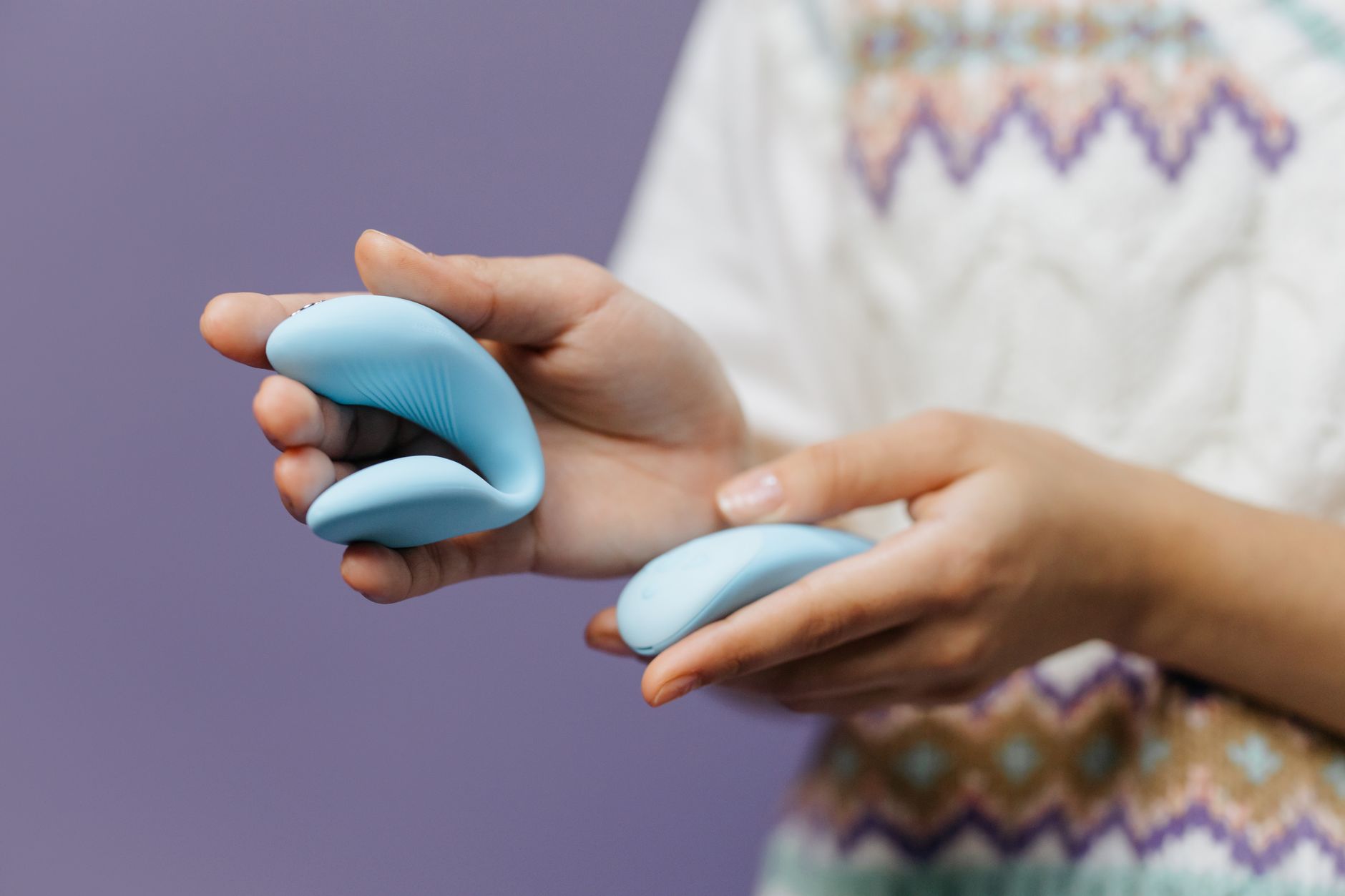
Lemon clitoral vibrators are one of the most effective tools for that journey. Not as a fix for a broken body, but as a practical bridge back to the arousal your perimenopause brain is trying to shut down.
Why perimenopause tanks desire so specifically
Everything hinges on estrogen and dopamine. Estrogen doesn't just regulate your cycle. It amplifies dopamine response in the reward centers of your brain. When estrogen dips during perimenopause (and it dips, then soars, then crashes, then repeats), your brain gets less of the neurochemical signal that says "this feels good." Pleasure becomes muted. Arousal takes longer to build. The mental bandwidth for sex shrinks.
Throw in hot flashes at 3 a.m., brain fog that makes you feel like you're moving underwater, and the low-level anxiety that comes with unpredictable bleeding, and you've got a perfect storm for desire to tank.
The second part is blood flow. Estrogen changes the way blood vessels respond to arousal signals. What used to be an automatic response becomes a negotiation. Your clitoris gets less engorged during arousal. Sensation feels duller.
Neither of these things is permanent. They're hormonal. And that's why external stimulation, especially the sustained suction technology in lemon clitoral vibrators, works so well during this phase. You're not trying to coax desire out of a brain that's biochemically resistant. You're creating a direct sensory signal that bypasses the desire deficit entirely.
The perimenopause arousal paradox
Here's what confuses most people: desire and capacity are not the same thing. You can have zero desire and incredible capacity for orgasm. You can want sex and find your body won't cooperate. Perimenopause often separates these two.
A lot of my clients in their mid-40s tell me, "I don't feel like having sex, but when I finally do, it's actually amazing." That's the paradox in action. Your body can still reach high peaks of pleasure. Your brain just isn't sending the "let's go" signal as easily.
Lemon vibrators solve this by removing the desire prerequisite. You don't have to feel like it. You can start from a place of curiosity, or habit, or just deciding that pleasure matters to you right now. The vibrator creates a response your brain can recognize as "oh, this feels good." That sensation can actually trigger the arousal cascade that desire was supposed to jumpstart.
It's not cheating. It's working with your perimenopause neurochemistry instead of against it.
How to use lemon clitoral vibrators for low desire
The biggest mistake is starting at the same intensity or speed you used to enjoy. Your tissue sensitivity has probably increased (even as sensation feels duller, the tissue responds more intensely to stimulation), and your arousal pace has definitely slowed. Here's what actually works.
Start low and slow. Lemon vibrators usually have 5-7 intensity levels. Begin at level 2 or 3, not level 5. You're not trying to force arousal. You're trying to establish a baseline sensation that feels good, then build from there. Spend 10-15 minutes at lower intensities before moving up.
Use lubrication every time. Perimenopause thins vaginal tissue and reduces natural lubrication, even if you don't feel dry. A water-based lube makes the experience more comfortable and lets the vibrator's suction technology work more effectively against your skin. Apply it to the tip and your vulva before you start.
Vary the pattern, not just the speed. Most lemon vibrators have multiple pulse and pattern options. If one pattern isn't building arousal, switch. Patterns that build gradually (rather than constant intensity) often work better for low-desire periods because they create a journey rather than an immediate demand for response.
Give yourself permission to take 20-30 minutes. Arousal during perimenopause is slower. That's not failure. That's physiology. If you rush or stress about time, your nervous system tightens and arousal becomes harder. Block out the time. Put your phone away. Let yourself warm up at your actual pace.
Use it as part of partnered sex, not instead of it. If you have a partner, lemon clitoral vibrators can bridge the desire gap. Many couples find that using a vibrator during partnered sex helps the lower-desire person get to arousal faster, which creates more pleasure for both people. It's not replacing your partner. It's removing a barrier that perimenopause threw up.
The role of mental arousal when hormones are working against you
Your brain is part of your genitals during perimenopause. That might sound strange, but it's true. When hormones make your body's automatic arousal response sluggish, your mental state becomes the ignition.
What works: fantasies that are vivid and specific (not generic). Audio erotica. Remembering actual sex you've had that felt really good. Novelty (new environments, new positions, new times of day). Anything that makes your brain actively engaged rather than passively waiting to feel something.
What doesn't work: expecting your body to work the way it did five years ago. Thinking you should feel desire before you start. Waiting for spontaneous arousal that might not arrive.
When you use a lemon clitoral vibrator, combine it with mental engagement. Put on something you find arousing. Think about a memory that made you feel desired. Engage the fantasy that usually works for you. You're not being desperate or fake. You're activating the parts of your brain that perimenopause is trying to dim.
When to talk to a doctor about desire loss
If your desire has completely flatlined and nothing is working, that's worth mentioning to your gynecologist or a menopause specialist. Desire loss during perimenopause is normal and extremely common, but it can also signal depression, thyroid issues, or other conditions that are worth ruling out.
There are also treatments that help. Low-dose testosterone can boost desire in people who are appropriate candidates. Certain antidepressants (if you're on them for mood) can be adjusted to lower libido side effects. Vaginal estrogen can improve physical sensation, which sometimes helps desire follow.
None of these are about forcing yourself to want sex. They're about removing obstacles so that you can access pleasure when you choose to.
The bigger picture: desire isn't permanent or static
Desire isn't a personality trait. It's a response. It waxes and wanes based on hormones, stress, relationship health, body image, safety, novelty, and dozens of other factors. During perimenopause, the hormonal shift is real and it's big. But it's not permanent, and it's not a referendum on whether you're a sexual person.
Using a lemon vibrator during low-desire periods isn't settling. It's being practical about your body's current needs. You're saying, "I want pleasure and intimacy to stay part of my life, so I'm going to work with what's happening right now, not against it."
That's actually the most sexual thing you can do.
Frequently asked questions
Can lemon vibrators actually increase desire, or just pleasure?
They increase both, but separately. A vibrator can't chemically change your hormone levels. What it does is create consistent, predictable pleasure that reminds your brain what arousal feels like. That sensory memory sometimes triggers the neurochemical cascade that desire was supposed to start. Over time, some people find their baseline desire naturally rises again. But the real gift is that you don't have to wait for desire to come back. You can have pleasure now.
How often should I use a lemon vibrator during perimenopause to see results?
There's no magic frequency. Some people find that using one 2-3 times a week helps them feel more connected to pleasure overall. Others use one whenever they want to masturbate or have partnered sex. The key is consistency without pressure. You're not taking medicine that requires daily dosing. You're creating a habit of pleasure, which is different. Start with whatever feels sustainable and easy, not ambitious.
Will using a lemon vibrator make partnered sex harder or less satisfying?
No. In fact, the opposite is usually true. When a partner knows you have a tool that helps you reach arousal faster, the pressure drops for both people. You're not trying to perform desire you don't feel. Your partner isn't responsible for fixing something that's hormonal. Many couples find their sex life actually improves when someone uses a vibrator because there's less frustration and more actual pleasure happening.
Should I tell my partner I'm using a lemon vibrator for low desire?
If you have a partner and you're having sex with them, yes, eventually. You don't have to make an announcement. But if your partner notices or if you want to use it during sex together, honesty is simpler than secrecy. Most partners are relieved to know there's a practical solution that helps. Frame it as "this helps me feel arousal faster" rather than "I need this because something's wrong." Because nothing is wrong. Your hormones are just in a different phase.
Is low desire during perimenopause a sign the relationship is in trouble?
Not necessarily. Perimenopause can make even great relationships feel strained if the couple doesn't understand what's happening. Desire loss feels personal. It feels like "I don't want my partner anymore." Often, it's "my brain chemistry is making arousal harder right now." These are completely different problems with completely different solutions. A good relationship can absolutely survive and thrive through perimenopause. It just requires talking about what's actually happening, not what you think should be happening.
Can I use a lemon vibrator if I'm on hormone therapy during perimenopause?
Absolutely. If you're on HRT, a vibrator still works beautifully. Some people find that HRT makes arousal easier and they need the vibrator less. Others find they still prefer it because the suction sensation is different from partnered or manual stimulation. Use it whenever it feels right, regardless of whether you're on hormonal treatment or not.
The practical next step
If desire has dropped and you're in perimenopause, you don't have to just accept that this phase means less pleasure. You get to choose differently. A lemon clitoral vibrator isn't a workaround for broken equipment. It's a tool for a body in transition, built for exactly the kind of arousal your hormones are currently allowing.
Start somewhere. Start small. Start without pressure. Your body knows how to feel good. Sometimes it just needs a little more direction right now.