The thing nobody warns you about
SSRIs work by keeping serotonin in your brain longer. That's what makes you less depressed. It's also what makes orgasm harder. You know this already, probably painfully. What's less clear is why this happens and whether it ever gets better.
Here's the actual mechanism. Serotonin suppresses dopamine in the reward pathways of your brain. Higher serotonin means lower dopamine. Lower dopamine means less drive, less urgency, less that electrical feeling building toward release. Your body still works. Your anatomy is fine. Your brain has just turned down the volume on pleasure.
The good news: it's not permanent, and you have actual tools that work.
Why lemon vibrators help when other things don't
Let me be direct. A standard vibrator alone often isn't enough when you're on SSRIs. The problem isn't just physical numbness. It's neurological dampening. You need stimulation that's strong enough to break through the serotonin noise and wake up the reward system.
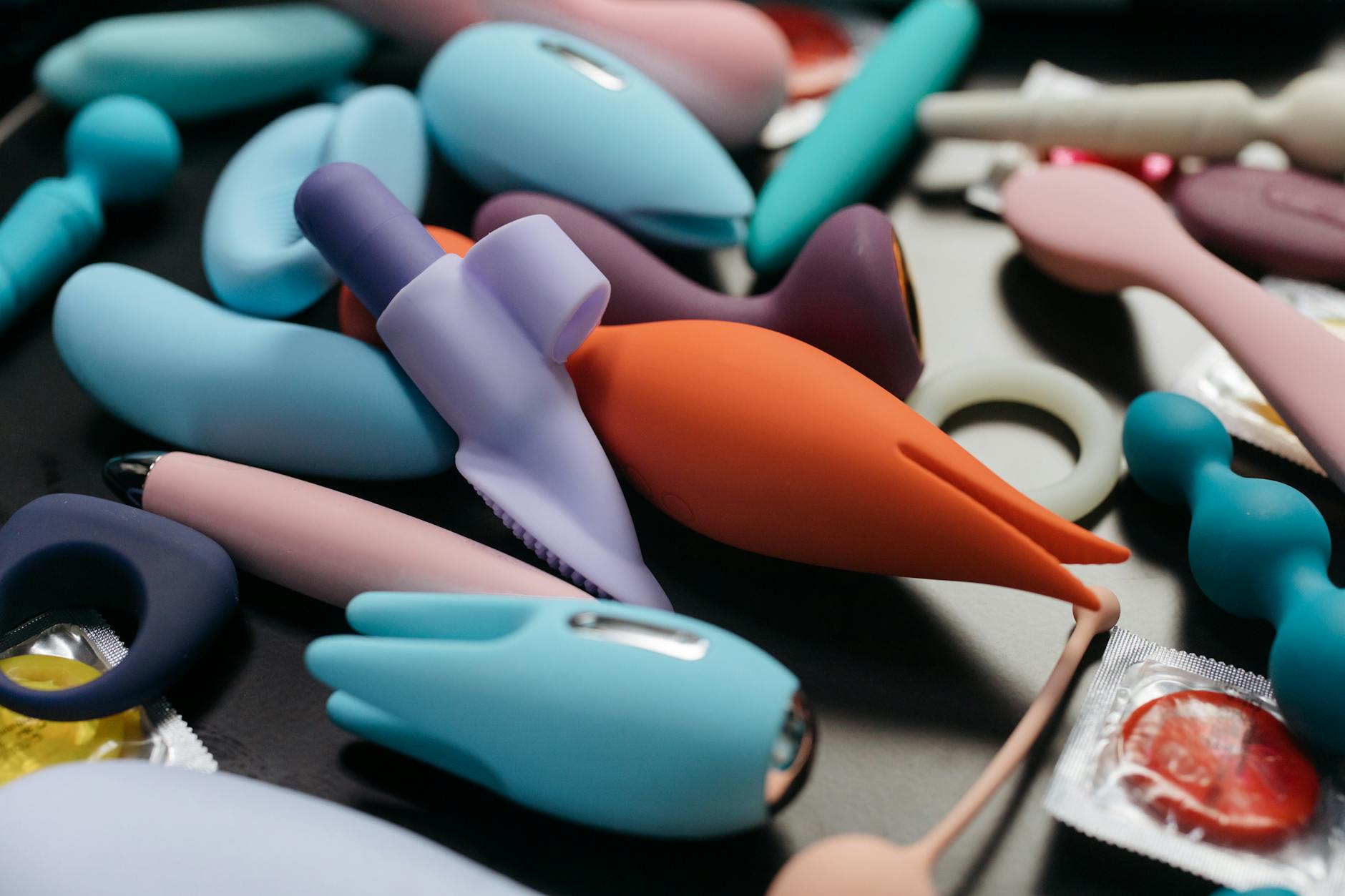
Lemon clitoral vibrators work differently than traditional wand vibrators or bullet vibrators. They use air-suction technology instead of just buzzing. That matters because suction stimulates a different set of nerve endings. It's more intense, more focused, and for many people on antidepressants, it's the difference between feeling nothing and feeling everything.
Here's what I've heard from dozens of clients: "I didn't know I could still have an orgasm until I tried a lemon vibrator." It's not magic. It's biomechanics meeting neuropharmacology.
The adjustment period is real
When you first start SSRIs, sexual response doesn't just flatline. It's more like a dimmer switch gets turned down slowly over weeks or months. Some people adapt. Many don't. The longer you've been on the medication, the more your brain has rewired around the lower dopamine baseline.
Using a lemon clitoral vibrator isn't like flipping a switch back on. Think of it more like turning up the volume gradually. Your nervous system has been recalibrated. Retraining it takes patience, consistency, and the right kind of stimulation.
Expect the first week or two to feel different, maybe even frustrating. You might feel more sensation than you have in months and then have nothing happen. That's normal. Your brain is learning. Keep going.
Four things I recommend to every client on SSRIs
1. Start with a lemon vibrator, not a wand. Wand vibrators are broader and less intense. If you're dealing with SSRI numbness, broad stimulation often doesn't register. The suction design of lemon vibrators concentrates force in a way that penetrates the neurological barrier SSRIs create. This is the single most important difference.
2. Begin on the lowest setting and extend your timeline. Most people assume they're broken because an orgasm takes 30 minutes instead of 5. You're not broken. SSRIs genuinely require more time and more intensity. Budget 25 to 45 minutes the first few times. Your timeline will likely shorten as your nervous system remembers what arousal feels like.
3. Separate the physical from the psychological. Here's where most people get stuck. Your body might respond differently now. That doesn't mean your desire or capacity for pleasure is gone. But anxiety about whether it will work often becomes the actual barrier. Before you use a lemon clitoral vibrator, get clear: you're testing a tool, not your worth. Some sessions will feel incredible. Some will feel like nothing. Both are data, not judgment.
4. Consider timing around your medication. SSRIs peak in your bloodstream at different times depending on which one you're taking and when you dose. Some people find that using a lemon vibrator a few hours after their dose, when the medication is still climbing, feels harder. Others notice it's easier. Experiment and track what works. This is individual and worth exploring.
When to talk to your prescriber
If you've been on the same dose for six months and still have zero orgasmic response, that conversation matters. Not because you should quit SSRIs. Depression is worse than difficult orgasms. But because there are legitimate options.
Some people switch to a different SSRI that's less likely to affect sexual response. Some add a second medication like bupropion that counteracts the dopamine suppression. Some take a dose adjustment. Your doctor might also refer you to a sex therapist, which sounds clinical but is actually wildly helpful because SSRIs + shame is a particularly sticky combination.
The point: you don't have to resign yourself to numbness. But you do have to have the conversation with someone who prescribed the medication.
The partner conversation (if there is one)
If you share pleasure with a partner, they need to understand this is about your neurobiology, not about them. "I'm having trouble with orgasm because of my medication" is different from "I'm not attracted to you anymore." One is solvable. The other is terrifying. Say the first thing.
Many partners feel confused or rejected when someone on SSRIs has reduced sexual response. They think they did something wrong. They didn't. What helped a lot of couples I've worked with was framing it as a shared project: we're going to explore what works now, together. Using a lemon clitoral vibrator isn't about replacing them. It's about adding a tool that helps you both experience pleasure again.
The timeline you should actually expect
Week 1 to 2: Probably frustration. Your body might feel more sensation, but integration is slow. Keep using the lemon vibrator on a low setting. This is baseline data collection.
Week 3 to 4: Moments of recognition. You might feel a spark that reminds you what arousal felt like. Celebrate this. Your nervous system is waking up.
Week 5 to 8: Consistency. You're likely having orgasms more reliably, though they might feel different than before SSRIs. Maybe shorter, maybe less intense, maybe concentrated in a different spot. That's okay. Different isn't broken.
Month 3 onward: Integration. Pleasure starts feeling normal again in a new way. Many people report that their orgasms with a lemon vibrator actually feel better than pre-SSRI sex because there's less pressure and more presence.
This timeline varies wildly depending on your dose, which SSRI you're on, how long you've been taking it, and your individual neurobiology. Some people recover faster. Some take longer. The pattern is usually the same.
Common roadblocks and how to work around them
"I feel numb even with the lemon vibrator." Numb is different from broken. You're probably not broken. You might need more time, a different medication, or both. You might also need to address anxiety. Anxiety about sexual performance is a real suppressor of pleasure, separate from the SSRI effect.
"My partner thinks I should just be fine without it." Your partner is wrong. SSRIs change your neurobiology. A lemon clitoral vibrator isn't cheating or a sign of weakness. It's a tool that matches your current nervous system. That's it.
"I had an orgasm once and then nothing for weeks." Welcome to SSRI recovery. It's not linear. One week you have an orgasm in 20 minutes. The next week it takes 45 or doesn't happen. This is your nervous system learning to fire again in a new chemical environment. Consistency matters more than individual sessions.
"The suction feeling is too intense." Start on the very lowest setting and use it for 30 seconds at a time, then take a break. Your tissues and nerves need to recalibrate. Intensity builds over weeks, not days.
Why this matters beyond just orgasms
Let's be real. Reduced sexual response on SSRIs isn't just about missing sex. It's about feeling disconnected from your body. It's about wondering if this is permanent. It's about shame, because nobody talks about it, and you start thinking you're the only person it's happening to.
You're not. And rebuilding pleasure isn't frivolous. It's part of rebuilding your relationship with your body. It's part of feeling alive again. That matters as much as the antidepressant itself.
Using a lemon clitoral vibrator isn't a workaround. It's acknowledgment that your nervous system has changed, you're meeting it where it is, and you're not settling for numbness.
Frequently asked questions
Can I use a regular vibrator instead of a lemon suction vibrator?
Technically, yes. Practically, probably not well enough. Standard vibrators rely on vibration alone, which works when dopamine is flowing. On SSRIs, dopamine is dampened. Suction stimulates different nerves and creates a stronger, more focused stimulus that cuts through the neurological noise better than buzzing alone. Could a regular vibrator eventually work? Maybe. A lemon vibrator will work faster and more reliably.
How long until I don't need the lemon vibrator anymore?
Some people use them long-term because they feel better than any other method. Some eventually find that manual stimulation or partnered touch works again. There's no timeline. If a lemon clitoral vibrator works for you, keep using it. You don't graduate out of effective tools.
Will the lemon vibrator desensitize me further?
No. Using a vibrator doesn't cause additional numbness. In fact, the opposite. Consistent stimulation helps retrain your nervous system. The concern about desensitization is a myth, especially with suction technology. You're not wearing out your nerves. You're waking them up.
Should I tell my doctor I'm using a vibrator?
You don't have to, but it can be helpful context. Your doctor wants to know if sexual dysfunction is happening and whether you're finding ways to address it. A simple "I'm using a vibrator and that's helping" is fine. It's clinical information, not confession.
What if the lemon vibrator helps but I still can't finish?
Progress isn't always a finish line. Some sessions will be about sensation. Some will be about the attempt. Some will actually result in orgasm. All of those are valuable. If you're consistently unable to reach orgasm after three months of regular use, bring it back to your prescriber. You might need a medication adjustment.
Can I use the lemon vibrator with a partner?
Absolutely. Many couples find that integrating a lemon clitoral vibrator into partnered sex actually deepens connection because it removes the pressure of performance. It shifts the focus from "will this work" to "what feels good right now." That's a healthier dynamic.
What comes next
SSRIs save lives. They also change your neurochemistry in ways that can feel really unfair. But you're not stuck with numbness. Your pleasure matters. Your ability to feel good matters. Sometimes that takes a lemon clitoral vibrator. Sometimes it takes a conversation with your doctor. Most likely it takes both, along with patience and curiosity about what your body can do in this new configuration.
If you're struggling with sexual response on antidepressants, you're not broken. You're on medication that works and you're dealing with a known side effect. There are solutions. A lemon vibrator is one of them. And honestly, it works.
If you want to explore this more or talk through what might work for your specific situation, I'm here. Get in touch and let's figure this out together.