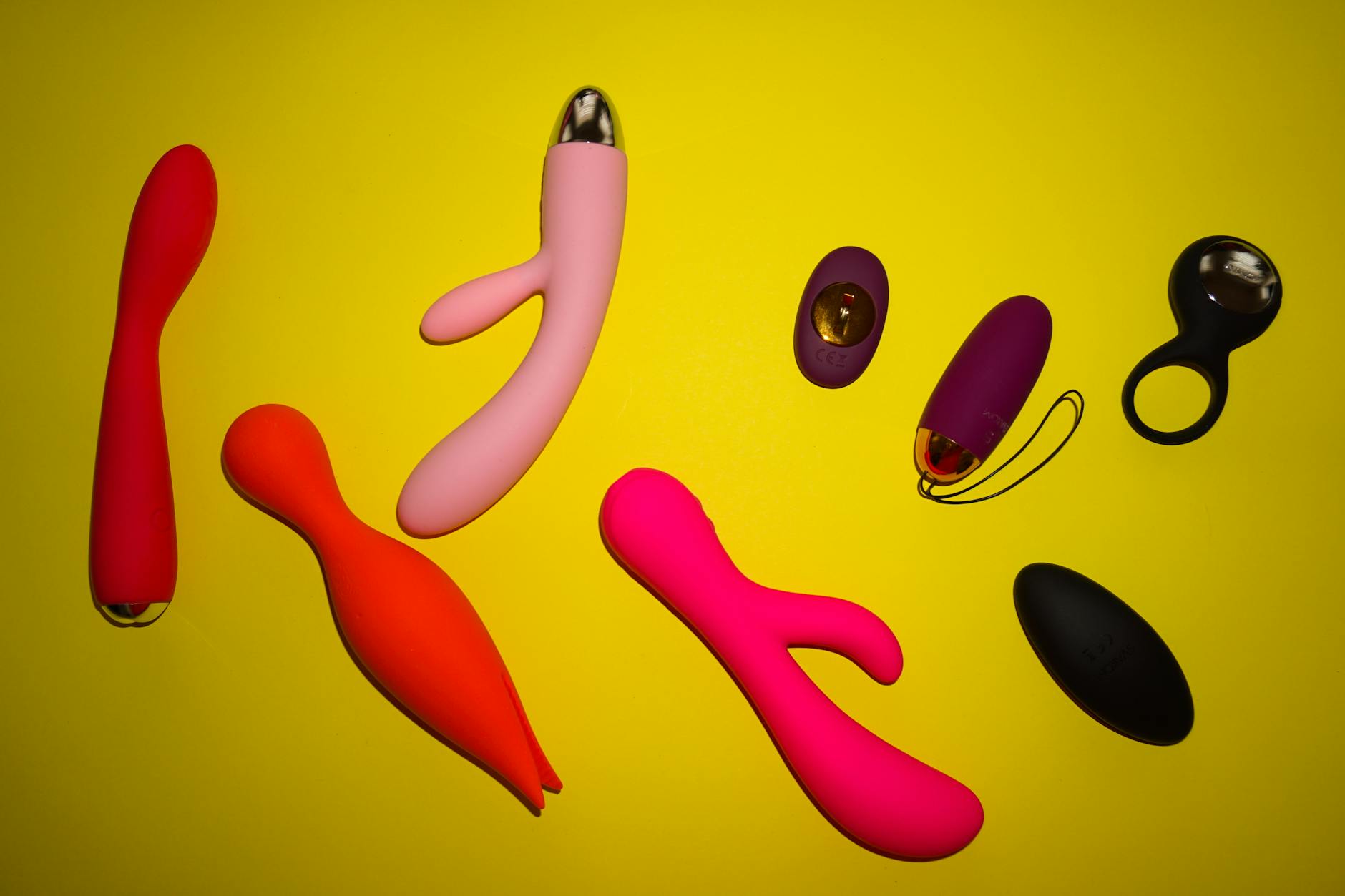
Let's talk about grief and your body
Grief is a full-body experience. It lives in your chest, your stomach, your throat. And one place nobody tells you about? Your libido. When you're grieving, arousal doesn't just take a backseat. It parks itself three blocks away and doesn't answer your calls.
This isn't weakness. This isn't your body failing you. It's actually your nervous system doing exactly what it's designed to do when you're in survival mode.
Why grief kills sensation
When you're mourning, your nervous system stays in a heightened state of alertness. Your brain is literally working overtime on processing and protecting. Blood flow pools inward. Your body deprioritizes pleasure responses because evolutionarily speaking, pleasure wasn't the priority when danger or loss was present.
The irony? This is exactly when pleasure could help you most. Not as escape. Not as denial. But as a small, manageable reminder that aliveness and feeling good don't mean you've betrayed the person or thing you've lost.
I've worked with clients grieving parents, partners, careers, identities. Almost all of them report that touch and sensation feel muted during the worst of it. Some describe numbness. Others say arousal feels almost wrong, like their body is betraying the seriousness of their loss. Both responses are completely normal.
What lemon vibrators specifically offer
Here's where a lemon clitoral vibrator changes the game. Suction-based stimulation like you get from the Lem works differently than traditional vibration. It doesn't require you to build much internal arousal first. It doesn't demand participation from a nervous system that's already depleted.
Instead, it creates sensation directly. Gentle pressure, pulsing stimulation. For people whose arousal is dampened by grief, this external input can bypass some of the mental resistance and reconnect you with your nervous system without requiring you to "get in the mood" first.
You don't have to be mentally present for a lemon vibrator to work. You just have to be physically there. And sometimes during grief, that's all you can manage.
Setting realistic expectations around pleasure during loss
Let me be direct about this. If you're in acute grief, you might not have strong orgasms. That's not a failure of the device or a failure of your body. It's proportional to your emotional state.
But you might have something different. A moment of sensation that isn't pain. A few seconds where your nervous system shifts out of high alert. A small physical release. These are wins during grief, and they matter.
I tell my clients: pleasure during grief isn't about intensity. It's about consistency. It's about telling your body "I'm still here, and some parts of me still work." That message matters more than the strength of an orgasm.
How to use lemon clitoral vibrators when you're grieving
Start by removing performance pressure entirely. You're not trying to climax. You're just trying sensation. Set a timer for 10 minutes if that helps. No expectations.
Use water-based lubricant, especially if you haven't been aroused much. Grief creates dryness. Don't interpret that as brokenness. It's just mechanics. Start on one of the lower intensity settings. Your nervous system might be oversensitive right now. Work up only if it feels good.
Breathe through it. Grief holds tension in the chest. When you use a lemon vibrator, notice if you're holding your breath. Let your breath drop into your belly. Longer exhales than inhales. This signals safety to your nervous system.
There's no rule that says you have to complete the experience. If you want to stop, stop. This isn't about pushing through or "getting there." It's about reconnection on your terms.
The emotional texture of pleasure during grief
Something strange can happen when grief is heavy and you access pleasure simultaneously. You might cry. Your nervous system might feel conflicted. You might feel guilty afterward. All of this is grief doing what grief does. It doesn't mean you shouldn't have sought pleasure.
If guilt arrives, name it. Your pleasure doesn't diminish your loss. Grief and aliveness can exist in the same nervous system. The person or life you're grieving would want you to feel good. Not instead of grieving. Alongside it.
Many of my clients report that once they give themselves permission to feel pleasure while grieving, the grief itself starts to shift. Not disappear. But integrate. Your body becomes less a site of pain and more a place where you can be present to both sadness and sensation at the same time.
When to seek additional support
If your grief is so heavy that you can't imagine pleasure ever returning, talk to someone. A grief counselor or therapist can help you understand whether what you're experiencing is proportional grief or depression. These are different, and they need different support.
If you've been grieving for several months and your body still feels completely numb to all sensation, that's also worth checking in about. Numbness that persists can sometimes signal a deeper nervous system shutdown that benefits from somatic therapy or body-based interventions.
A lemon vibrator can be part of reconnecting with your body. It shouldn't be your only tool.
The long view on pleasure after loss
Here's what I've observed over decades of working with grieving clients. The first time you feel genuine pleasure again after a big loss, it can feel shocking. Sometimes even wrong. You might assume that means you're healing too fast, or you've somehow betrayed the person you're mourning.
You haven't. Pleasure returning is actually a sign that your nervous system is beginning to feel safe enough to register good feelings again. That's not betrayal. That's resilience.
A lemon vibrator won't change your grief. But it can create small moments of aliveness while you carry it. And those moments matter. They're how your body learns that life contains multitudes. That you can hold loss and sensation and hope all at the same time.
FAQ: Pleasure and Grief
Is it normal to feel guilty about having pleasure while grieving?
Completely normal. Guilt arrives because some part of you feels like pleasure means you've moved on, or that you're betraying the person or life you've lost. But pleasure and grief aren't in competition. Your nervous system doesn't have a limited quota of feelings. You can hold both. The guilt usually softens once you realize that seeking sensation during grief is actually an act of self-care, not betrayal.
Can a lemon vibrator help if I feel completely numb down there during grief?
Yes, because lemon clitoral vibrators work through external pressure and suction rather than relying on internal arousal. They can sometimes wake up sensation in tissue that feels dormant. That said, numbness during grief is common and doesn't mean your body is broken. If numbness persists for months, check in with a therapist or somatic practitioner.
How long does it usually take for arousal to return after a major loss?
There's no standard timeline. Some people feel slight interest returning after weeks. For others it takes months or longer. It depends on the type of loss, your attachment to what you've lost, and your baseline resilience. The key is not to rush it or shame yourself for the timeline your body is on.
Should I use a lemon vibrator alone or with a partner while grieving?
That depends entirely on your needs. Solo use can feel safer and less complicated when you're grieving because you're not managing anyone else's feelings. If you're partnered, solo use might also let you explore sensation without pressure. Talk to your partner about what you need. Sometimes grieving people need to retreat inward. That's legitimate.
What if I start crying during use? Does that mean I should stop?
Not necessarily. Grief lives in your body. A lemon vibrator can sometimes release emotion that's been held tight. Crying during or after use is actually a good sign. Your nervous system is processing. Let it. Stop if you need to, but don't assume tears mean something went wrong.
Can lemon vibrators help rebuild intimacy with a partner when you're both grieving?
Yes, but check expectations first. When both partners are grieving, neither of you might have much arousal available. A lemon clitoral vibrator can be a gentle way to share touch and presence without the pressure of "performance" sex. Some couples find that using a vibrator together creates a low-pressure way to reconnect physically while both are emotionally depleted. Communication is everything here.
You don't have to grieve in isolation
Grief is a full-body process. Your pleasure isn't separate from it. A lemon vibrator won't fix grief or speed it up. But it can create moments of sensation and aliveness while you carry loss. And that matters. Your body deserves to feel good, even while your heart is breaking. Especially then.
If you're struggling with how to reconnect with pleasure during a difficult season, reach out. You don't have to figure this out alone.