
Here's the thing about antihistamines and arousal
Allergy season doesn't just block your sinuses. It also blocks the tiny nerve signals that make pleasure feel like pleasure. Antihistamines work by dampening histamine receptors in your body, and histamine is actually one of the key players in sexual arousal. Less histamine equals less flushing, less engorgement, less that subtle electrical feeling when you're getting turned on. Your libido doesn't disappear. Your sensations just go quiet.
I've worked with dozens of clients over the years who've noticed this exact shift. "I want to, but I can't feel anything," they'll say, often surprised that the problem has a name. Most people assume numbness during allergy season is just how their body works now. It isn't. And there's something specific you can do about it.
Why antihistamines dull sensation so completely
Your arousal system relies on a cascade of signals. Histamine release causes blood vessel dilation. Blood flow increases sensitivity in the clitoris, vaginal tissue, and pelvic nerves. When antihistamines block histamine, that whole chain reaction gets interrupted. First-generation antihistamines (like diphenhydramine) are worse for this because they cross the blood-brain barrier and also dull your mental arousal. Second-generation ones (cetirizine, fexofenadine) are slightly better but still affect sexual response.
What makes it especially frustrating is that you're not imagining it. Studies show antihistamine use correlates with decreased genital sensation, delayed arousal, and difficulty with orgasm. It's a documented side effect, not a you problem.
Where lemon vibrators step in
This is where air-suction clitoral vibrators like those from Shop Lemon Vibrator become genuinely useful. Unlike traditional vibrators, which rely on your nerve endings already being awake, air-suction technology stimulates through pressure and suction patterns. It doesn't require the same baseline sensitivity to register. Think of it less like tickling a sleeping nerve and more like gently waking it up.
The mechanism is simple: suction engages a broader network of nerve fibers around the clitoris, not just the surface. When your surface sensation is dampened by antihistamines, that deeper engagement can still break through. Many people report that lemon clitoral vibrators feel more "present" and less distant than traditional vibration, especially when they're on medications that numb sensation.
How to adjust your approach when you're medicated
Three tactical shifts make a huge difference:
Start with suction intensity, not speed. If you're using a lemon vibrator, begin on patterns 2 or 3 rather than jumping to higher numbers. The suction itself is doing the work, not speed. Let your body adjust for a minute or two before intensifying.
Extend your warm-up time. Antihistamines slow arousal buildup, so budget 20 to 30 minutes instead of your usual timeline. Your nervous system isn't broken, it's just working against a neurochemical headwind. Give it time.
Use lubricant even if you usually don't. Histamine helps with natural lubrication, and antihistamines reduce that too. Water-based lube isn't a backup plan here, it's part of the toolkit. It also helps the suction feel smoother and less "grabby."
When to consider timing your medication
If you're taking antihistamines daily during allergy season, you might have some flexibility on timing. Most antihistamines peak in your system 1 to 3 hours after you take them, then gradually decline over 12 to 24 hours depending on the type. Some people find that taking their dose in the morning and planning intimate time for evening helps a bit. That said, this is a conversation to have with your doctor, not a DIY workaround. Don't skip doses or change timing without checking first.
For people on year-round antihistamines, the constant baseline dampening is just the reality you're working with. The good news is that your body adapts, and lemon vibrators can help your nervous system find sensation even in that steady state.
The emotional layer that matters
Being numb from medication can feel like your desire has vanished. It hasn't. Your brain still wants connection, your partner is still attractive, your fantasies still land. What's muted is the physical feedback loop. That distinction matters because it changes how you think about the problem. This isn't about fixing yourself. It's about choosing tools that help your body stay in the conversation while your medication does its other job.
If you're coupled, this is also a moment to talk openly. "Antihistamines dull my sensation" is a different conversation than "I'm not attracted to you anymore." Partners often mix these up, and clarity prevents a lot of unnecessary worry. A lemon vibrator becomes something you use together, not something that indicates a gap.
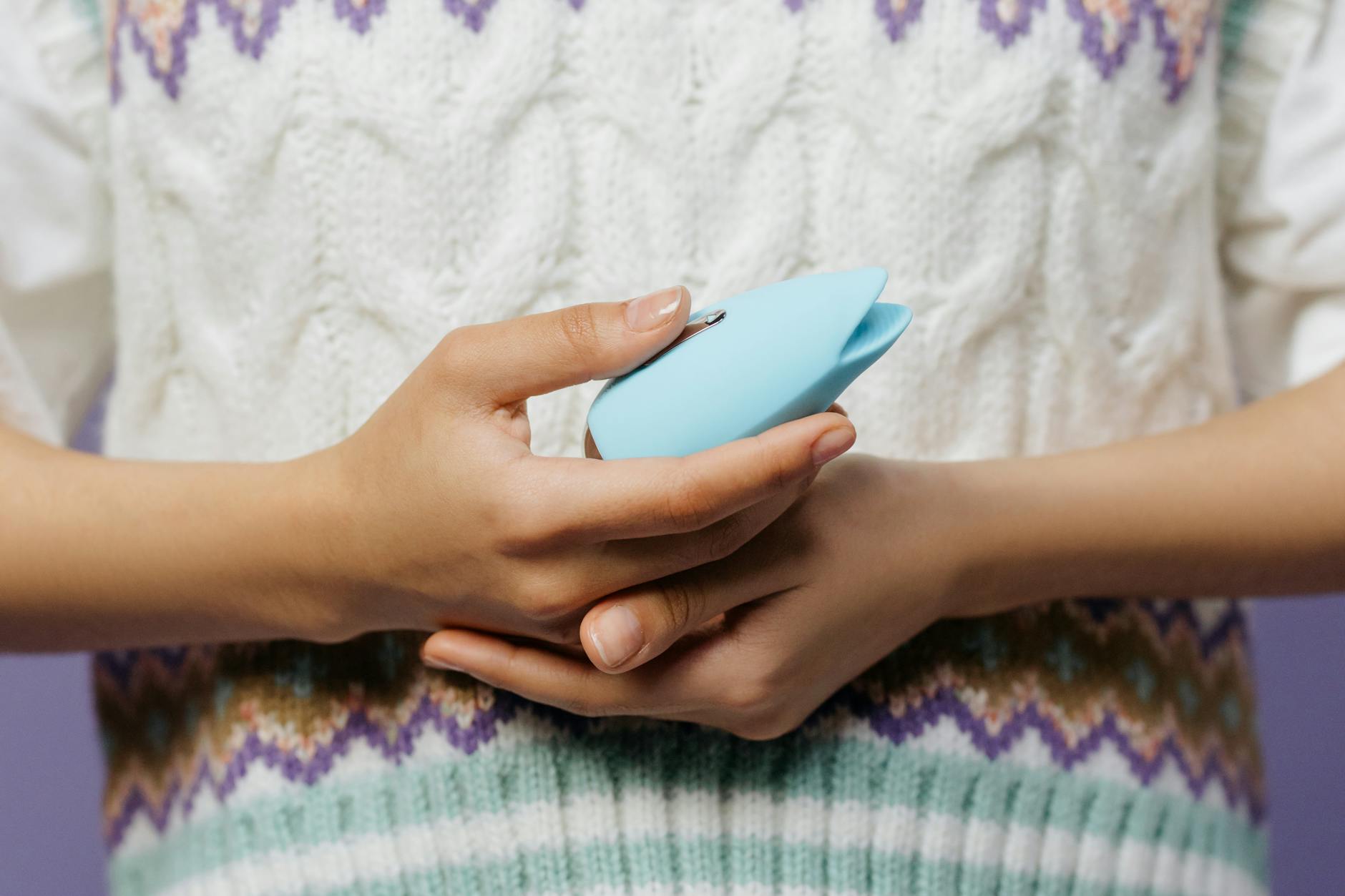
Photo by cottonbro studio on Pexels
What happens as your body adjusts
Here's something I've observed consistently: sensation often improves after the first few weeks of consistent use. Your nervous system isn't permanently damaged, it's just being asked to do more with less. Lemon vibrators, used regularly, seem to help your clitoral nerves stay responsive even when histamine is suppressed. It's like maintaining a pathway that would otherwise fade.
If you're using a lemon vibrator from Shop Lemon Vibrator, the design actually supports this. The Lem, for example, starts gentler at lower settings and builds, so you're not forcing sensation. You're inviting it.
The medication conversation with your doctor
If antihistamine-related numbness is seriously affecting your quality of life, your prescriber should know. There are different antihistamine options, and sometimes switching helps without sacrificing allergy control. There are also non-sedating alternatives or topical options that might reduce systemic effects. You won't know unless you ask.
This also goes for other medications that affect sensation. SSRIs, some blood pressure meds, and certain anticonvulsants all have similar dampening effects. If you're on multiple medications, the cumulative effect might be worth addressing with your healthcare team.
When sensation doesn't return
If numbness persists even with lemon vibrators and extended warm-up time, and especially if it's paired with other symptoms like fatigue or mood changes, check in with your doctor. Sometimes what feels like medication side effects is actually something else worth investigating.
Some people find that switching from oral antihistamines to nasal sprays reduces systemic effects. Others benefit from taking a medication holiday during less intense allergy periods. And some people simply accept the trade-off and find that lemon clitoral vibrators, combined with extended foreplay and patience, make pleasure accessible even in a medicated body.
People Also Ask
Do antihistamines really affect sexual sensation?
Yes, consistently and measurably. Histamine is involved in vasodilation, genital engorgement, and nerve sensitivity during arousal. Antihistamines block histamine, which directly reduces these responses. First-generation antihistamines have stronger effects on sexual function because they also cross into the brain, but second-generation options still have impact.
How long does it take for sensation to return after stopping antihistamines?
Most people notice improvement within a few days to a week after stopping daily antihistamines, though it varies. Histamine levels rebound fairly quickly once the medication clears your system. If you're considering stopping, talk to your doctor about whether breaking the dose into smaller amounts or spacing it differently might help without worsening allergies.
Can lemon vibrators help if I'm on other medications that numb sensation?
Often yes. Any medication that affects nerve signaling or blood flow (certain SSRIs, blood pressure meds, some anticonvulsants) can reduce sensation, and air-suction clitoral vibrators work through a slightly different mechanism than traditional vibration, so they can still register even when baseline sensitivity is low. But the key is experimenting to see what works for your body specifically.
Is it normal to need longer warm-up time when taking antihistamines?
Completely. Antihistamines slow the cascade of physiological responses that lead to arousal. Your body isn't broken, it's just working against a neurochemical headwind. Twenty to thirty minutes of foreplay instead of five to ten is the new baseline. That's not worse, it's just different.
Should I tell my doctor that antihistamines affect my sex life?
Absolutely. Your doctor should know about any side effects affecting your quality of life, sexual function included. They can discuss whether switching antihistamine types, adjusting dose timing, or adding other options might help without sacrificing allergy control. This is a normal conversation, not something to be embarrassed about.
Are there antihistamines that don't affect sensation as much?
Second-generation antihistamines (cetirizine, fexofenadine, loratadine) have less impact on sexual function than first-generation ones like diphenhydramine because they don't cross the blood-brain barrier as easily. Topical antihistamines or nasal sprays also reduce systemic effects. Your doctor or pharmacist can walk you through which options might give you better allergy control with less sexual side effects.
The takeaway
Antihistamines aren't your enemy, and neither is your body. Numbness from allergy medication is a neurochemical reality, not a sign that pleasure is gone for good. Lemon vibrators from Shop Lemon Vibrator are specifically designed to work with bodies that need a little more stimulation to register sensation. Combined with patience, longer warm-up time, and the right conversation with your healthcare provider, you can absolutely keep pleasure in the picture during allergy season.
Your sensation matters. Your pleasure matters. And there are real tools that help when medication gets in the way.
If you want to talk through what might work best for your specific situation, reach out. That's what I'm here for.