The gap that forms when nobody talks about it
Let's be real. Long-term couples don't usually have a dramatic fight about sex and then never touch again. It's slower than that. Someone works late three nights running. A kid wakes up at the wrong moment. Someone's stressed, someone's touched out, and then months pass. A year passes. Five years pass. And suddenly you're sharing a bed with someone whose body feels like a stranger's.
The distance isn't always about desire dying. Often it's about the awkwardness of reigniting something when you've both gotten used to not having it. How do you ask? What if they say no? What if it's weird now? Those silences compound, and after long enough, the bedroom becomes a room you both quietly avoid.
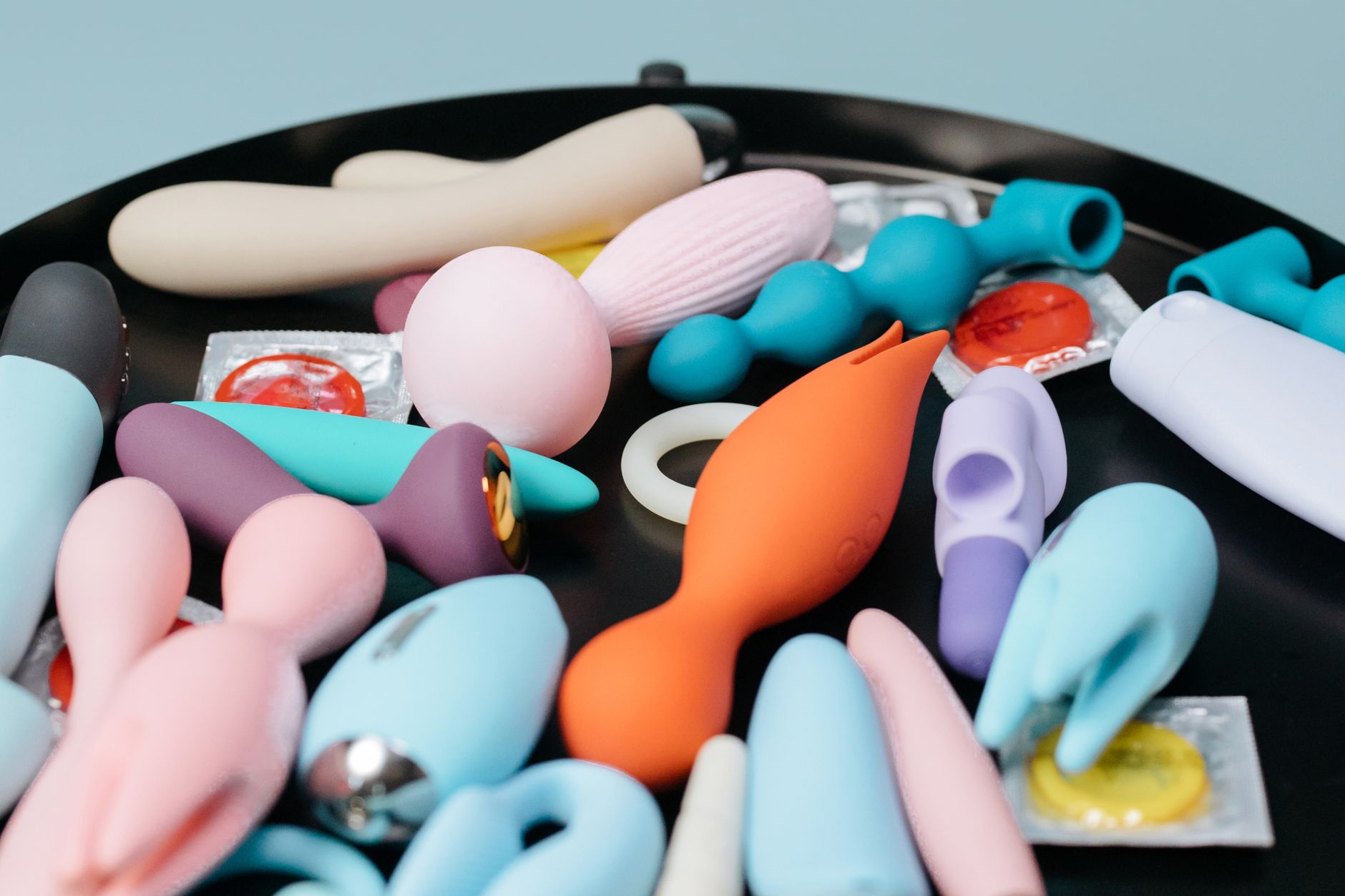
But here's what I've seen work: introducing a lemon vibrator (or any quality clitoral vibrator) doesn't fix disconnection. It can, though, create the opening that both people need to start talking about pleasure again.
Why reconnecting after long-term disconnection feels harder than starting over
When a couple hasn't been intimate in years, the brain does something protective. Each person develops a story about why. Maybe one partner thinks the other has lost interest. Maybe the other believes their partner is angry with them. Maybe both assume that trying will end in awkwardness or rejection, so they stop trying. These stories feel true because they've been told to yourself so many times.
Add shame to that, and you've got a problem. Most people who avoid sex after years of disconnection carry guilt. Guilt that they "let it happen." Guilt that maybe they're broken. Guilt that their partner deserves better. That shame makes the first move feel impossible.
A sex toy changes the emotional calculus. It's not about you anymore. It's about the toy. It's about curiosity. A partner can suggest a lemon vibrator in a text, on a podcast they're listening to, or as a gift without it feeling like a direct proposition. The object becomes the bridge.
How a clitoral vibrator becomes a conversation starter
I worked with a couple, Michael and Sarah, who hadn't had sex in seven years. Seven years. Sarah had gone through perimenopause, gained weight, and developed deep shame about her body. Michael had spent those years absorbing the message that his wife wasn't interested, so he stopped trying. Both of them were lonely.
When Sarah ordered a lemon vibrator online, she felt terrified about what Michael would think. But she told him. She said, "I ordered something. I'm curious about it. I don't know if you'd ever want to be involved, but I wanted you to know." That's it. That sentence opened a conversation that had been closed for a decade.
Michael's first reaction was relief. Relief that Sarah still had desire. Relief that the distance wasn't because she was angry at him. Relief that maybe they could find their way back.
The clitoral vibrator worked differently on Sarah's body than manual stimulation ever had. The suction sensation made her come faster, with less pressure required from her pelvic floor. When Michael watched that, he felt something he hadn't felt in years: hope that pleasure was possible between them.
They didn't jump into partnered sex that first week. They spent three weeks with Sarah exploring solo pleasure while Michael was present. Then Michael asked if he could help. Then they tried together. Then they started rebuilding the habit of touch.
The lemon vibrator didn't rebuild their intimacy. Sarah and Michael rebuilt it. But the toy gave them permission to start.
The specific way lemon vibrators help with reconnection
Clitoral vibrators like the lem work differently than traditional vibrators, and that difference matters for couples working through disconnection.
A suction-based lemon vibrator creates sensation without requiring the same kind of manual effort or performance that can trigger anxiety in long-disconnected partners. There's no "Am I doing this right?" question. There's just sensation. That shifts the experience from goal-oriented to exploration-oriented.
For people with vulvas, pleasure after a long break can feel rusty. The neural pathways are still there, but they need retraining. A lemon clitoral vibrator provides consistent, controllable sensation that helps those pathways wake up without pressure or judgment.
For the partner watching, a lemon vibrator creates a kind of permission structure. You can see your partner experiencing pleasure without you having to generate all of it. That's a huge relief after years of avoiding sex because you believed you couldn't satisfy them.
Setting up the conversation without triggering defensiveness
If you're the one in a long-term disconnected relationship and you want to reintroduce sex, here's what actually works.
Don't lead with "We need to have sex again." That puts your partner in a defensive position immediately. Instead, lead with curiosity. "I've been thinking about my own pleasure and I'm curious about trying something new. There's this clitoral vibrator I read about. Would you be open to exploring that together at some point?"
Notice what that sentence does. It centers your curiosity, not their failure. It offers an option, not a demand. It gives a timeline ("at some point") that feels less urgent.
If your partner says no, that's information. Spend time understanding why. Is it shame about their body? Fear that pleasure will lead to pressure for sex? Actual disinterest? Those are different conversations that need to happen separately.
If your partner says maybe, ask what would help. Would they want to read about lemon vibrators together first? Would they want you to explore solo while they watch? Would they rather just sit with the idea for a few weeks? The specificity of the request matters.
What to do if one partner has significantly lower desire
Many long-disconnected couples have an unbalanced desire mismatch. One person has been dying to reconnect for years. The other is genuinely less interested, or afraid, or both. This is where partnered exploration with a lemon vibrator helps in a different way.
When you introduce a sex toy into the equation, the lower-desire partner doesn't have to generate pleasure for the higher-desire partner. They can just be present. Being present is a valid form of intimacy, and it's often where reconnection actually starts.
I had another couple, David and Jen. David wanted sex weekly. Jen wanted it every few months. After years of fighting about this, they stopped trying at all. When they tried using a lemon vibrator together, the deal was: Jen would be present while David used it solo, and they'd see what happened.
The first few times, nothing magical occurred. Jen felt awkward. David felt watched in an uncomfortable way. But somewhere around session four, Jen started noticing her own arousal. Not because she was suddenly interested in sex, but because being around someone else's pleasure is a form of intimacy.
They're not having sex five times a week. But they've moved from zero times a year to once every couple of weeks, and the quality is infinitely better because both people are actually present.
The role of slowing down in the reconnection
Here's something crucial: lemon vibrators can help couples reconnect because they disrupt the "normal" pattern that's been broken. If you've spent five years not touching, jumping back into familiar sexual patterns won't work. Your nervous systems need something different.
Using a clitoral vibrator forces you to slow down. You have to talk about sensation. You have to discuss what feels good and what doesn't. You have to make eye contact while someone is experiencing pleasure. All of that is foreign if you've been disconnected, and that foreignness is actually the healing part.
The first time you use a lemon vibrator with a long-term partner, expect awkwardness. Expect silence. Expect the urge to make a joke to break the tension. All of that is normal. You're literally rewiring a pattern that's been set for years.
When to get professional help alongside the vibrator
A lemon vibrator is a tool. It's not therapy. If your disconnection is rooted in unresolved resentment, infidelity, or abuse patterns, a sex toy won't fix that. Those require actual professional support.
But if your disconnection is rooted in miscommunication, shame, and lost connection, a quality clitoral vibrator combined with honest conversation can be transformative. The vibrator creates the opening. The conversation keeps it open.
If you've tried introducing a lemon vibrator and it created tension instead of connection, that's worth exploring with a couples therapist. There's often something deeper that needs attention first.
Moving from solo exploration to partnered pleasure
The progression that seems to work best for reconnecting couples is: solo exploration first, partner present but not involved, partner gradually involved, partnered pleasure. That might take weeks. It might take months. There's no rush.
Some couples find that once solo pleasure is reestablished, partnered sex returns naturally. Some couples find that they enjoy solo pleasure with their partner present and that becomes their new normal, which is fine. The goal isn't to return to the pattern you had before. It's to find a pattern that works now.
With a lemon clitoral vibrator, that pattern often includes more communication than you had before. Because you had to talk to use it together in the first place. And that talking is where the real reconnection happens.
Frequently asked questions
Can a clitoral vibrator fix a relationship with deeper problems?
No. A lemon vibrator or any sex toy is a tool for pleasure and connection, not a relationship repair kit. If your disconnection is rooted in infidelity, abuse, contempt, or serious unresolved conflict, you need a couples therapist first. Once those issues have some resolution, a vibrator can help rebuild physical intimacy.
What if my partner is embarrassed about using a vibrator?
Embarrassment is common, especially in couples who've been disconnected for a long time. Start by normalizing it. Share an article about clitoral vibrators. Listen to a podcast about sex toys together. Read about how many long-term couples use them. Sometimes the embarrassment fades once you realize how common this is.
How long does it take to rebuild intimacy after years of disconnection?
There's no standard timeline. Some couples reconnect in weeks. Some take months or years. The speed depends on how long you were disconnected, how much shame is involved, whether there's unresolved conflict, and how willing both partners are to rebuild. A lemon vibrator can accelerate the process, but it's not an instant fix.
Should we use a vibrator solo first, or can we start partnered?
Both work, but solo exploration first is usually less triggering for long-disconnected couples. It removes the performance pressure. If your partner has strong resistance to solo exploration, starting with partnered use is fine. You're both relearning together, which can feel safer than one person being "ahead."
What if I want to reconnect but my partner shows no interest?
That's a real issue that deserves honest conversation. Ask your partner what would make reconnection feel possible. Sometimes the answer is therapy. Sometimes it's more time. Sometimes it's that they're not interested in being intimate with you anymore, and that's painful but important to know. Don't push a lemon vibrator on someone who's genuinely uninterested. That creates resentment, not connection.
Can a lemon vibrator improve pleasure if we haven't been disconnected?
Absolutely. Clitoral vibrators work well for any couple wanting to expand their pleasure, not just those rebuilding connection. But the reconnection angle is particularly powerful because the vibrator provides a low-pressure entry point back into intimacy after a long break.
The real work is the conversation
Long-term disconnection in a relationship is lonely for everyone involved. The person wanting more sex is lonely. The person avoiding intimacy is lonely. And the gap between them just keeps growing.
A lemon vibrator doesn't solve loneliness. But it can create a moment where both people feel less alone in the bedroom. It can open a conversation that's been closed. It can rebuild the habit of touch and pleasure after years of avoidance.
What matters most, though, is what you do with that opening. The vibrator is the bridge. The conversation is what keeps you connected after you cross it.