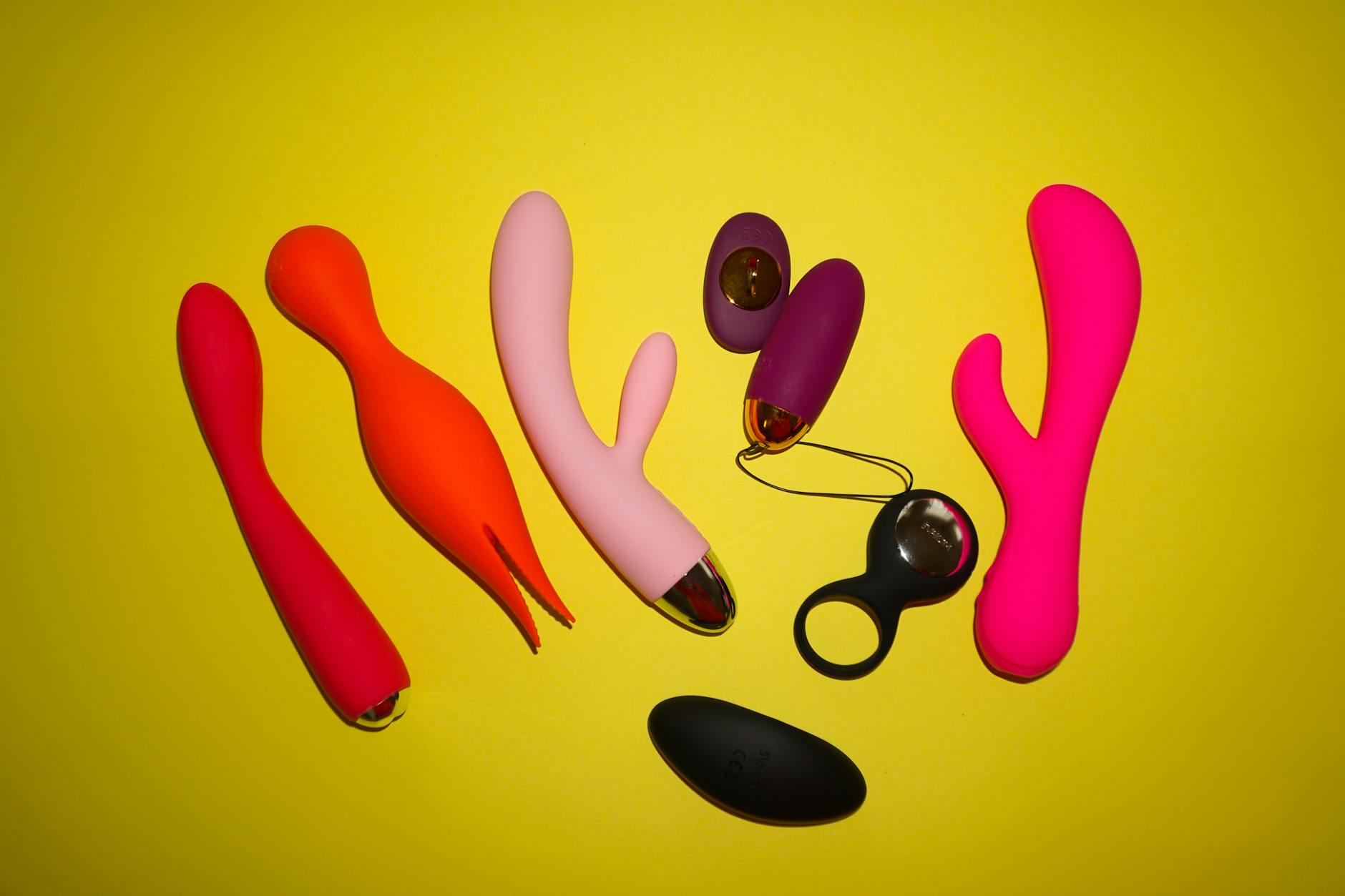
Let's be real. If you're managing vulvodynia, endometriosis, pelvic floor dysfunction, or any chronic pelvic pain condition, the cultural narrative around pleasure isn't built for you. Most vibrators assume friction is the goal. But friction is often the enemy when you're dealing with nerve sensitivity or tissue inflammation.
Here's what actually happens with lemon clitoral vibrators for people with pelvic pain. And why they're not a workaround. They're a legitimate shift in how stimulation works.
Why friction-based vibrators often make pain worse
Traditional vibrators, whether bullet or wand, rely on direct mechanical stimulation. The toy makes contact with tissue and vibrates against it. For a vulva in pain, that's often too much stimulus in exactly the wrong way.
Vulvodynia involves unpredictable nerve firing. Endometriosis creates inflammation that extends beyond the obvious area. Pelvic floor dysfunction means the muscles protecting the area are already in a state of tension or dysregulation. Adding friction into an already-triggered system doesn't feel good. It escalates.
The result? People with chronic pelvic pain often avoid vibrators altogether, which means missing out on a major avenue for pleasure. That's where lemon vibrators change the equation.
How suction technology works differently
Lemon-style clitoral vibrators use gentle suction rather than vibration alone. Think of it as a rhythmic pulse that pulls rather than presses. The suction creates stimulation through a change in pressure around the tissue, not through direct contact friction.
Why matters: the clitoris has around 8,000 nerve endings clustered in a small area. For people without pain conditions, direct friction hits all of them at once. For people with vulvodynia or similar conditions, that can feel overwhelming or painful. Suction spreads the stimulus differently. It engages the nerves without the same concentrated pressure.
The sensation is also more diffuse. Instead of feeling like vibration concentrated on one spot, suction feels like a gentle, rhythmic pulling sensation. Many people with pelvic pain describe it as less intrusive, more manageable, and paradoxically more pleasurable.
Pain conditions and what changes with suction
Vulvodynia specifically. This involves chronic pain, burning, or rawness with no obvious visible cause. Nerve hypersensitivity is the core issue. A lemon vibrator's suction approach means you're not adding mechanical irritation to an already-irritated nervous system. The gentleness matters.
Endometriosis. Endo creates inflammation throughout the pelvic cavity, and that inflammation changes what feels good. Direct pressure often triggers referred pain or that feeling of "too much." Suction-based stimulation feels less likely to aggravate the underlying inflammation because you're not adding friction to already-tender tissue.
Pelvic floor dysfunction. Tight pelvic floor muscles often respond badly to direct vibration. It can trigger the guarding reflex that makes the muscles tighten further. Suction, being gentler and less mechanically aggressive, is less likely to trigger that defensive tightening.
Post-surgical recovery. After pelvic surgery (hysterectomy, laparoscopy, etc.), tissue is healing and sensitive. Suction-based stimulation allows pleasure without the risk of re-irritating healing areas.
Starting with a lemon clitoral vibrator when you have pain
Four practical shifts:
Start at the lowest setting. If you're using a lemon vibrator for the first time and you have pelvic pain, begin at pattern 1. Suction is gentler than friction vibration, but that doesn't mean intensity doesn't matter. Lower intensity = easier on hypersensitive nerves.
Give yourself 10-15 minutes of warm-up. When your nervous system is already in a state of alertness around pain, rushing into stimulation often backfires. Spend time on non-genital touch first. Let your brain signal safety to your pelvic floor. Then introduce the toy slowly.
Use water-based lubricant. This reduces any remaining friction and makes the suction sensation cleaner. It also protects healing or inflamed tissue.
Track your cycles and pain patterns. If you menstruate, pain often changes across your cycle. Endometriosis pain is often worse in the luteal phase. Notice when pleasure is most accessible. This intelligence matters more than forcing pleasure on days when your body is genuinely inflamed.
The emotional side of pleasure with chronic pain
Here's something nobody tells you: managing chronic pelvic pain often includes a layer of anxiety. Your body has betrayed you. Pain happened during sex before. The fear response is real and adaptive, even if it limits pleasure.
A lemon vibrator isn't a magic fix for that psychological piece. But it changes the equation. If you know a tool makes pain less likely, you approach it differently. You relax more. Relaxation itself is part of pleasure. When your nervous system believes stimulation won't hurt, it opens. And opening is where real sensation lives.
If you're in a partnership, this shift matters too. Pain often creates distance because sex becomes something to avoid or manage rather than enjoy. A tool that makes pleasure more accessible without pain? That changes the conversation from "we need to be careful" to "we can actually enjoy this together."
When to see a specialist alongside exploring pleasure
A lemon vibrator is a tool for pleasure, not a treatment. If you have vulvodynia, endometriosis, or pelvic floor dysfunction, you need proper medical and therapeutic support. That often includes:
Pelvic floor physical therapy. A trained pelvic floor PT can help you understand your body's patterns and actually change them. Many people discover that working with a PT makes pleasure more accessible because the underlying dysfunction improves.
Gynecological care from someone who takes pelvic pain seriously. Some providers dismiss it. Find one who doesn't.
Therapy, particularly somatic or sex therapy if you have pain-related anxiety around sex. Working through the fear piece is as important as the physical piece.
All of these work together. The lemon vibrator is part of that ecosystem, not a replacement for it.
What makes a lemon vibrator different from other clitoral toys
If you're deciding between a lemon suction toy and other clitoral vibrators, the key difference is the mechanism. A traditional clitoral vibrator (like a bullet or wand) will always rely on some degree of friction or direct pressure. A lemon-style clitoral vibrator uses suction as its primary mechanism. For pain-free pleasure, that distinction is not small.
You might also want to read about how lemon vibrators compare to wand vibrators for clitoral stimulation for a deeper look at the mechanical differences. If you're navigating sensitivity more broadly, lemon vibrators for sensitive clits covers similar ground.
Building a pleasure practice around your pain
Pleasure with chronic pelvic pain isn't about ignoring the pain or powering through. It's about working with your body's actual needs rather than the needs of a vibrator designed for pain-free bodies.
This means sometimes pleasure looks like 5 minutes of gentle suction instead of a full session. Sometimes it means stopping early because your nervous system has had enough. Sometimes it means exploring sensation on days when pain is lower. All of that is legitimate.
The goal isn't to reach some external standard of sexual performance. It's to reclaim your ability to feel good, on your own terms, in your own body. A lemon clitoral vibrator is a genuinely useful tool for that. Not because it erases pain, but because it offers pleasure without demanding the kind of friction that often makes pain worse.
People Also Ask
Can I use a lemon vibrator if I have endometriosis? Yes, often with fewer pain triggers than traditional vibrators. The suction mechanism is gentler on inflamed tissue. Start slowly, use lube, and pay attention to your pain cycle. If you're in a high-pain phase of your cycle, it's okay to wait.
Will a lemon suction toy help pelvic floor tension? Not directly. Suction won't loosen tight muscles. But it might feel better during tightness because it's not aggressive pressure. For actual pelvic floor dysfunction, you need pelvic floor physical therapy alongside any pleasure practice.
How is suction different from vibration for pain conditions? Vibration creates stimulus through rapid back-and-forth pressure. Suction creates stimulus through a change in pressure. For pain-sensitized tissue, suction is usually gentler and less likely to trigger guarding responses.
I've never used a vibrator because of pain. Is a lemon toy a good first one? Often yes. Start at the lowest intensity, use plenty of lube, and don't rush. Give your nervous system time to realize this is safe. If you feel any sharp pain, stop.
Can a lemon vibrator replace medical treatment for vulvodynia? No. Vulvodynia requires proper medical care, often including pelvic floor PT, topical treatments, or medication. A vibrator is a pleasure tool, not a treatment. Both matter, but they're different things.
Should I tell my pelvic floor therapist I want to use a vibrator? Yes. A good pelvic floor PT will help you think through how to use pleasure tools in a way that supports your healing, not against it. They might have specific recommendations based on your individual pattern.
Your pleasure matters, even when your body is managing pain. A lemon vibrator is one thoughtfully designed tool that lets you experience that.