
Let's be real about what sexual avoidance does to your body
When you stop having sex for years, your body doesn't just pause. It resets. The neural pathways that fire during arousal get quieter. Blood flow to your genitals decreases. Your pelvic floor tightens from disuse, not exercise. And your brain starts to associate the whole experience with anxiety instead of pleasure.
Then one day, you want to feel something again. And nothing happens.
This isn't a character flaw. This is neurobiology. And it's completely reversible.
Why traditional vibrators fail when you're restarting
Most vibrators ask your nervous system to do too much at once. They require sustained arousal, direct friction, and enough initial sensation to override years of protective numbness. If your body has been in shutdown mode, a powerful wand vibrator often feels like an attack, not an invitation.
Lemon clitoral vibrators work differently. Instead of vibration, they use suction. This stimulates the clitoris through gentle, rhythmic pulsing that doesn't require friction. Your nervous system recognizes it as novelty rather than demand. You can start at the lowest pattern and let your body wake up at its own pace.
The suction mechanism of lemon vibrators is particularly effective for people rebuilding sensation because it engages nerve clusters without the intensity barrier that keeps avoidant bodies locked down.
The avoidance cycle and how your nervous system gets trapped
Sexual avoidance typically follows a pattern. Something painful, embarrassing, or traumatic happens. Your brain learns to associate sex with threat. Over time, you avoid situations that might lead to sex. Desire drops. You avoid even thinking about your body in a sexual context. Years pass.
Now your nervous system has a rock-solid habit. It expects avoidance. When you try to reverse course, your body tenses automatically. You might feel numb, dissociated, or physically unable to become aroused no matter what you're doing.
This is where many people give up. They assume they've broken something permanent. The truth is more hopeful: your nervous system just needs to practice a new response.
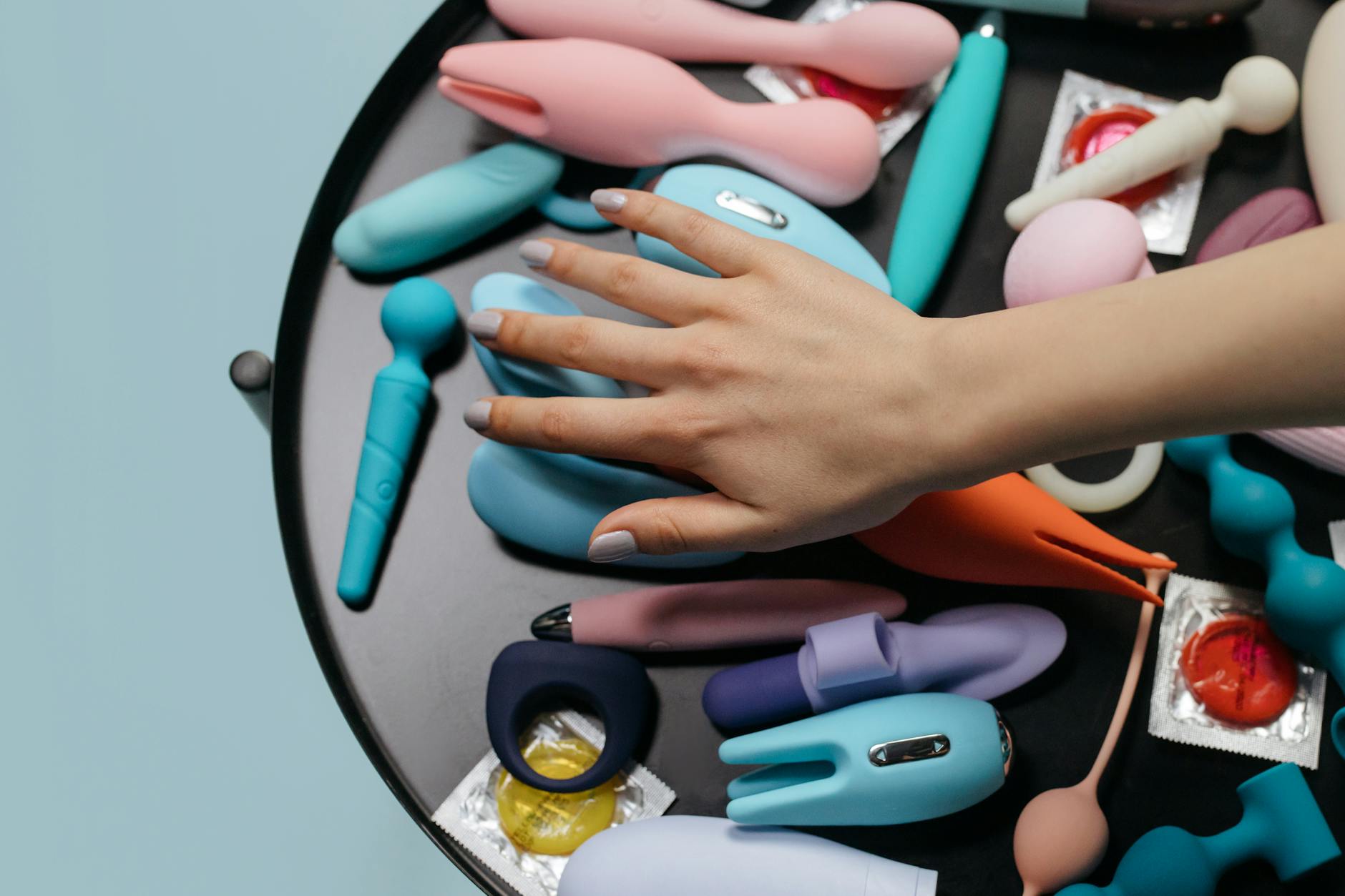
Photo by cottonbro studio on Pexels
Why suction feels safer than friction when you're starting over
Your clitoris has over 8,000 nerve endings concentrated in a tiny space. After years of avoidance, those nerve endings are dormant but not dead. Friction wakes them up aggressively. Suction is gentler. It's a pulsing sensation that gradually draws sensation upward and inward, rather than repetitive stimulation that can feel overwhelming.
For people restarting, this matters enormously. When you use a lemon vibrator at pattern 1 or 2, your body doesn't perceive a threat. You're not forcing arousal. You're inviting it. The pulsing motion gives your nervous system time to recognize that pleasure is happening before it fully kicks in.
Many clients tell me that the first time they use a lemon clitoral vibrator after years of avoidance, they feel nothing for the first 10-15 minutes. Then something shifts. A spark. A small pulse of sensation they'd forgotten existed. That's neuroplasticity. Your brain is remembering how to respond.
Building the habit: how to restart without re-traumatizing yourself
Three rules for rebuilding after years of avoidance.
Start with zero expectations. You're not trying to have an orgasm. You're not even trying to feel good. You're just practicing the act of your body receiving pleasure. If nothing happens for a week, that's data, not failure.
Use lemon vibrators alone at first. No partner watching. No performance pressure. Your nervous system is learning to respond to safety and privacy, not audience. Once your body trusts the experience, you can introduce a partner.
Keep sessions short. Ten to fifteen minutes is enough. You're training your nervous system to recognize arousal as a normal state, not an emergency. Longer sessions can activate dissociation if you're still rebuilding trust with your body.
The timeline: what realistic progress looks like
I've worked with clients who spent 5, 10, even 15 years in sexual avoidance. They want to know: how long until I feel normal again.
Honestly? Nervous system rewiring takes 6-12 weeks for noticeable shifts. Within two weeks of consistent use, most people report a change in their baseline response. Not necessarily orgasm. Maybe just increased blood flow, or the ability to relax during solo use.
By week four, many notice that their body starts to anticipate pleasure. By week eight, pattern 3 or 4 on a lemon vibrator often feels genuinely good. By week twelve, many people report orgasms, or at least a return of the capacity to feel them coming.
This assumes consistent use. Once weekly won't rewire your nervous system. Three to four times weekly does.
When to bring a partner back into the picture
Here's where people often derail themselves. Once they feel some sensation returning, they immediately invite their partner back to bed. Then their nervous system panics. There's an audience again. There's performance pressure again. And suddenly they're right back to avoidance.
Wait until you can reliably have pleasure alone before you try it with someone else. That might mean waiting 8-12 weeks. Your partner can support you (understanding the timeline, not pressuring you, celebrating small wins) without being involved in the actual sex yet.
When you do bring your partner in, start with them watching you use a lemon vibrator alone. No intercourse. No penetration. Just your partner seeing that your body can respond. That visual evidence helps both of you believe the avoidance is truly breaking.
Then, if you're ready, your partner can participate slowly. The goal is not to go from zero to normal overnight. It's to show your nervous system that pleasure with a partner is possible without triggering the old threat response.
The role of lube and pelvic floor awareness
After years of avoidance, your body might not produce much natural lubrication. You might also have significant pelvic floor tension. Both make pleasure harder, not impossible.
Use water-based lubricant generously. It's not a sign of failure. It's a tool. Lemon clitoral vibrators work beautifully with lube because the suction sensation is maintained while friction is reduced.
Also pay attention to your pelvic floor. Years of tensing against unwanted sensation create habits. Kegel exercises can help, but so can their opposite: lying down, breathing deeply, and consciously relaxing the area around your vagina. A tight pelvic floor blocks arousal. Learning to release it is as important as learning to receive pleasure.
When you need help beyond the vibrator
If six weeks of consistent use brings no change in sensation, something else might be at play. Low estrogen, antidepressants, or unprocessed trauma can all block arousal even after your nervous system has calmed.
A gynecologist can check hormone levels. Your GP can discuss whether your current medications might be dampening pleasure. And a trauma-informed therapist can help if the avoidance was connected to something painful that your nervous system is still protecting you from.
Lemon vibrators are powerful tools for rebuilding sensation. But they work best alongside other forms of support. You don't have to solve this alone.
FAQ: Your questions about restarting after avoidance
Is it normal to feel nothing the first time I use a lemon vibrator?
Completely normal. You're not broken. Your nervous system is in protective mode, and numbness is a feature, not a bug. It keeps you safe when you perceive threat. Using the vibrator at the lowest settings consistently trains your body that pleasure is safe. Most people feel some change within two weeks, but patience matters more than speed here.
Can I use a lemon clitoral vibrator if I have trauma related to sex?
Maybe, with care. If your avoidance is connected to assault, abuse, or deep relational pain, a vibrator alone won't heal the underlying wound. Work with a trauma-informed therapist first to establish that your nervous system can tolerate sensation and pleasure without triggering a defensive response. Once you have that foundation, a gentle tool like a lemon vibrator can help rebuild physical capacity alongside your emotional work.
How do I know if my avoidance is psychological or physical?
It's usually both, but the distinction matters less than the solution. Psychological avoidance (fear, shame, relationship pain) absolutely creates physical symptoms (numbness, tension, inability to become aroused). A lemon vibrator helps with the physical component. Therapy helps with the psychological. You may need both simultaneously for full recovery.
What if my partner wants to help but I'm not ready?
Tell them exactly that. "I need to rebuild this alone first. I need to remember that my body can feel pleasure without performance pressure. Once I can do that reliably, we can explore together." A partner who respects that boundary is someone you can actually rebuild with. A partner who pushes is adding more threat to your nervous system.
How often should I use a lemon vibrator to restart successfully?
Three to four times weekly gives your nervous system enough repetition to rewire without overwhelming it. Consistency matters more than duration. Ten minutes four times a week beats forty minutes once a month. You're training a response, and responses solidify through regular practice.
Will I ever feel as much pleasure as I did before avoidance started?
Often you feel more. Before avoidance, you might have taken pleasure for granted. After relearning it, many people report deeper appreciation and more intense sensation. Your nervous system is wired differently now, but different doesn't mean worse. It often means more intentional, more present, and ultimately more satisfying.
You're not starting over, you're remembering
After years of avoidance, pleasure doesn't feel absent. It feels foreign. Like something that happened to someone else. Using a lemon vibrator isn't about forcing new sensation into an unwilling body. It's about giving your nervous system permission to remember what it already knows how to do.
Your body hasn't forgotten how to feel pleasure. It's just been in protection mode, waiting for the signal that it's safe to respond again. A gentle, rhythmic suction that starts at barely-there intensity and builds at your pace is exactly the signal many bodies need to wake back up.
Start small. Be patient. Celebrate the tiny shifts. And trust that your nervous system remembers far more than you think it does.
If you're struggling with this process or have questions about whether a lemon vibrator is right for your specific situation, reach out to us. We're here to help.