Let's talk about what perimenopause actually does to desire
Libido doesn't vanish in perimenopause. It changes shape. You'll wake up one day and notice arousal takes longer to build, fantasies feel further away, and the automatic spark you used to count on has gone quiet. That's not depression. That's not relationship trouble (though it can trigger arguments about it). That's perimenopause, and it's wildly common. Honestly, it's one of the most overlooked drivers of relationship friction I see in my practice.
Here's the neurochemistry: as estrogen and testosterone fluctuate, your brain's arousal baseline shifts. The neural pathways that used to light up fast are still there. They just need different activation. That's not a broken system. It's a system asking for something new.
Why the drop happens (and why it's not your fault)
Three hormonal forces collide in perimenopause. First, irregular estrogen. It doesn't just disappear. It spikes and crashes unpredictably across the month, sometimes across the day. Your brain depends on steady estrogen to maintain dopamine and norepinephrine, the neurotransmitters that create that "I want them" feeling. When estrogen bounces around, those systems get confused.
Second, testosterone decline. Yes, people with ovaries produce testosterone, and it's a major driver of spontaneous desire. In your thirties and forties, you probably had a baseline level that kicked in without effort. By perimenopause, that baseline drops. The result? You stop initiating. Sex stops happening unless your partner starts it. And if your partner is used to you being the one who wants it first, this shift can feel like rejection even though it's purely biochemical.
Third, progesterone chaos. Late perimenopause has progesterone spiking wildly in some cycles and cratering in others. Progesterone is calming, grounding. When it's high, you feel generous and present. When it crashes, you feel touched-out and exhausted. Both states make desire feel impossible, just for different reasons.
The thing nobody tells you: this is temporary and fixable. Recognizing the mechanism is the first step.
How lemon clitoral vibrators work differently in this phase
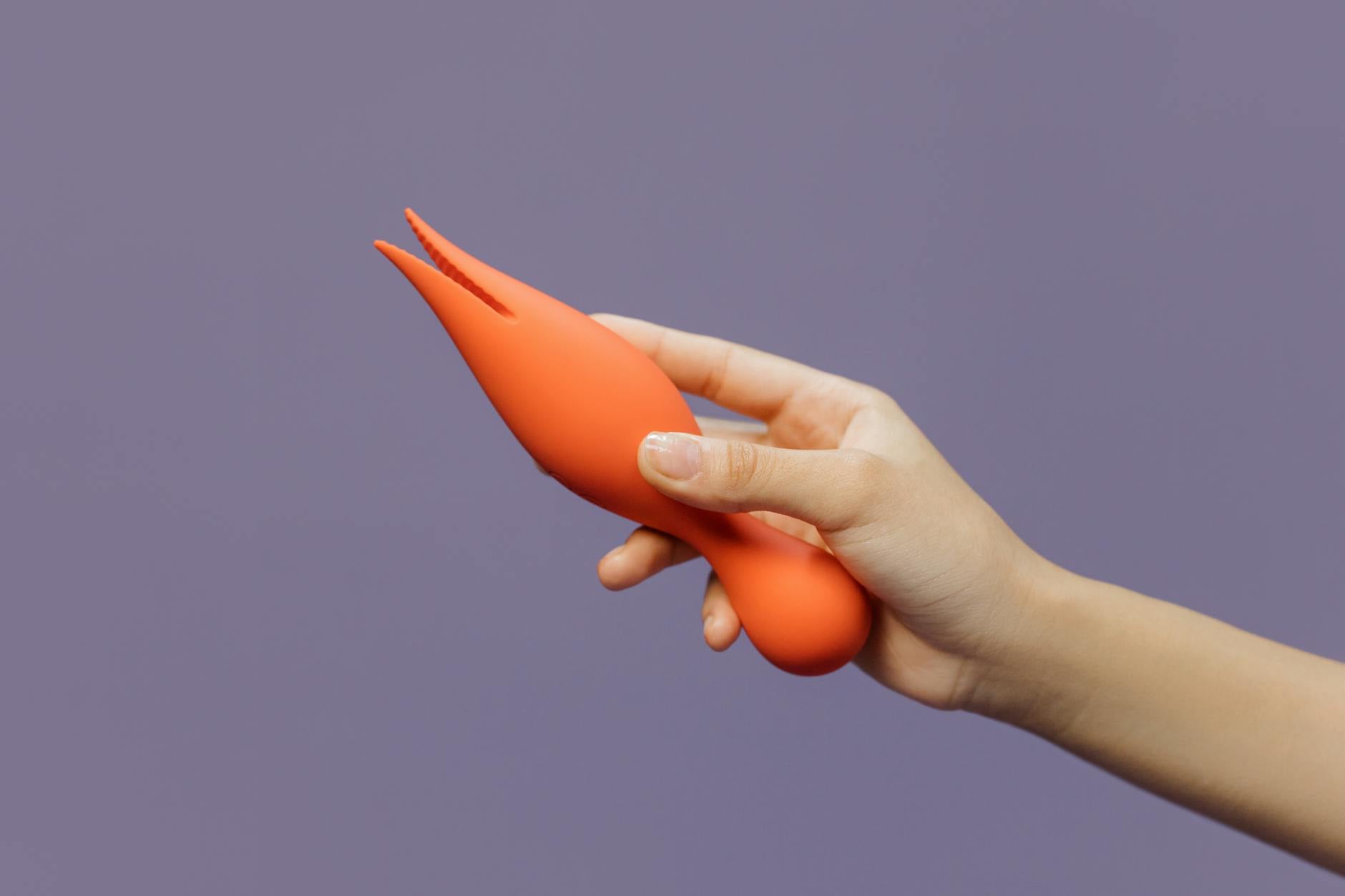
Clitoral vibrators like the lem are specifically designed to bypass the arousal buildup problem. Here's why they work when perimenopause makes spontaneous desire feel extinct.
The clitoris has roughly 8,000 nerve endings concentrated in a small area. Vibration stimulates those nerves directly and intensely, which means you don't need the slow cascade of dopamine and testosterone that used to work. You're skipping the "getting in the mood" phase and going straight to the nervous system's pleasure response. For someone in perimenopause, that's not cheating. That's smart design.
The lem and similar suction-based lemon vibrators work even better because suction creates a unique sensation that doesn't require direct friction. If perimenopause has left you with thinner tissue or sensitivity that makes traditional vibration feel too sharp, suction gives you intensity without the mechanical pressure. You get stimulation without pain, which is crucial for rebuilding the confidence that perimenopause often erases.
The intimacy piece that hormones can't touch
Here's where I see couples get stuck: they treat low libido as a solo problem. One partner decides they're broken and needs to fix themselves in isolation. The other partner feels rejected and stops trying. In three months, you've got two people who feel disconnected and resentful, and the hormone issue is secondary.
Lemon vibrators, when used as a shared experience, actually rebuild intimacy. Not because a toy magically fixes desire. But because using one together creates vulnerability. You're both admitting that the old rhythm doesn't work anymore. You're both choosing to explore something new. That act of choosing together, of learning a new rhythm, is what restores connection.
When I recommend clitoral vibrators to couples in perimenopause, I frame it as exploration, not workaround. "Your body is changing. Let's figure out what feels good now, together." That conversation shifts the dynamic from "you're broken" to "we're adapting."
What to actually do when you want to rebuild desire
Three things work consistently in my experience.
First, stop waiting for spontaneous desire to come back. In perimenopause, it won't, not at the frequency you remember. Scheduled sex sounds unromantic until you realize it actually works. If you and your partner agree to intimacy on Tuesday and Friday evenings, you remove the constant low-level friction of "will they want to or won't they." By the scheduled time, you've had days to mentally prepare. Your nervous system settles. That actually builds arousal better than waiting for spontaneity.
Second, introduce a clitoral vibrator like a lemon vibrator without making it weird. "I read that perimenopause changes how quickly women get aroused. I want to try this together because I miss feeling desired and I want us to reconnect." That's the conversation. Not "I'm broken" or "you're not doing it right." Literally that script. The lem is designed to be easy to introduce into partnered sex because it's intuitive and quiet. Use it while you're together. Notice what changes.
Third, talk about what desire looks like now. Perimenopause desire isn't the old drive. It's more responsive, more relational, more textured. You might not feel like initiating sex, but you might feel very into it once you start. That's not lowered libido. That's receptive desire. It's a real thing, and it's completely valid. Partners who learn this distinction stop feeling rejected and start appreciating what actually shows up.
When to worry (and when you're actually fine)
If libido has completely flatlined and you feel nothing even with direct stimulation, something might be off beyond perimenopause. Thyroid issues, depression, medication side effects. Low desire on its own is normal. Zero sensation at all warrants a check-in with your doctor.
If you're experiencing painful sex alongside the desire drop, that's also worth addressing. Vaginal dryness and tissue thinning are real perimenopause symptoms, and they can make sex uncomfortable enough that your brain learns to avoid it. Topical estrogen or a really good water-based lubricant changes everything. How to Use Lemon Vibrators When You Have Painful Sex or Dyspareunia covers that in detail.
Otherwise? This is perimenopause doing its job. It's uncomfortable. It's temporary. And it's workable.
The relationship math that actually matters
I've worked with hundreds of couples in the thick of perimenopause, and the ones who stay connected aren't the ones with the highest libido. They're the ones who talk about the change without shame. Who treat the shift as "our new thing" instead of "her broken thing." Who buy a lemon vibrator or other clitoral toy and actually use it together instead of leaving it in a drawer.
Your desire will shift again after perimenopause. The intensity might come back. But the intimacy you build now, while navigating this weird phase together, usually stays. That's the part worth protecting.
FAQ
How long does low libido from perimenopause actually last?
It depends on how long your perimenopause lasts. The average is 5 to 8 years, but it can be shorter or longer. The intensity of the desire drop is usually worst in the middle years when hormone fluctuation is wildest. Some women notice their libido gradually returning as they move into postmenopause. Others find it's just different, not lower. The key is that it's not permanent even when it feels that way.
Can a clitoral vibrator like the lem really help if I feel zero desire?
Yes, for a specific reason. Desire and arousal are different systems. You might have zero spontaneous desire and still experience arousal from direct clitoral stimulation. A lemon vibrator bypasses the desire system and goes straight to the arousal response. Over time, practicing arousal (even without spontaneous desire) can actually rebuild desire pathways. It's not instant, but it works.
Should I use a lemon vibrator alone or with my partner?
Both have value. Solo exploration helps you map what feels good in your new body, which removes pressure during partnered sex. Partnered use builds intimacy and removes shame around the change. I usually recommend starting solo so you know what you like, then bringing that knowledge into partner sex. The lem is quiet and intuitive enough that it's not awkward in either context.
What if my partner has high desire and I have none? Will a vibrator fix that mismatch?
No, but it opens the conversation. Desire mismatch is usually a symptom of a bigger disconnect. A lemon vibrator is a tool for rebuilding physical intimacy, not for closing a gap in how much sex each person wants. If the mismatch is extreme, couples therapy is worth it. If it's moderate, scheduled intimacy plus a tool like the lem helps both partners feel less resentful and more connected.
Does using a vibrator mean something is wrong with our relationship?
Completely the opposite. It means you're both willing to adapt when things change. That's exactly what long-term relationships need. Perimenopause is going to shift your sexuality whether you address it or not. Couples who use tools like lemon clitoral vibrators are actually the ones investing in staying close. That's healthy.
Can perimenopause libido changes affect how an orgasm feels?
Yes. Fewer orgasms, slower buildup, weaker intensity, or sometimes just different sensation. That's not bad. Different doesn't mean worse. Many women report that once they get through perimenopause, their orgasms are more intense because they've learned what actually works. The period in between is just... different. Tools like the lem help during that in-between phase because they give you consistent, reliable stimulation instead of hoping your body cooperates.