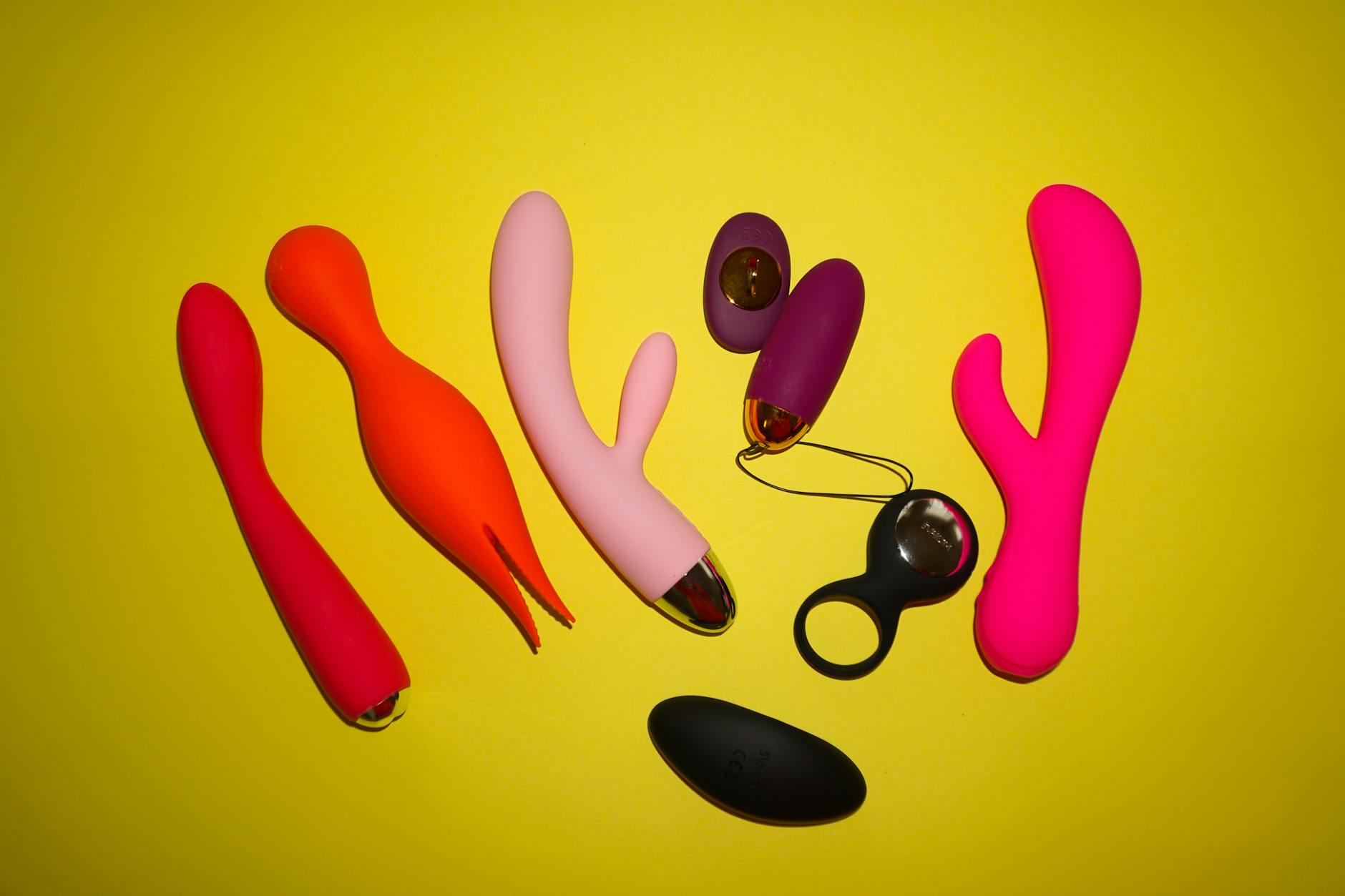
Numbness isn't permanent. Your nervous system can retrain.
Let's be real: nerve damage and sexual numbness feel isolating in a way most people don't talk about. You might be dealing with diabetic neuropathy, a spinal injury, chemotherapy aftereffects, pelvic nerve damage from childbirth or surgery, or MS-related sensory loss. Whatever the source, the message your body sends to your brain has gotten quieter or stopped arriving altogether.
The assumption most people make is that quieter signals mean less pleasure. That's where the story gets more complicated. Numbness doesn't mean you're broken. It means your existing nerve pathways need a different kind of input to wake up. And this is where lemon vibrators—specifically, suction-based clitoral stimulation—start to look very different.
What happens to sensation after nerve damage
Your clitoris has approximately 8,000 nerve endings, arranged in complex layers. When nerve damage occurs, some of those pathways get disrupted. But here's the thing most doctors don't explain: disruption is not the same as severance. The nerves are still there. They're just harder to reach with traditional stimulation.
Friction-based vibrators rely on direct contact with already-damaged nerve endings. If those endings aren't firing properly, the vibrator is essentially screaming into a telephone that's half-disconnected. You feel the buzz, but not much else.
Suction works differently. Instead of vibrating against the surface, a lemon clitoral vibrator creates gentle pressure waves that travel deeper into the tissue. This activates different nerve layers and approaches the same nerve endings from multiple angles. For people with partial numbness, this multi-pathway stimulation often bypasses the damaged sections and reaches intact nerves underneath.
Why suction-based stimulation bypasses numbness better
Think of it this way: if your usual route to the office is closed, you take a detour. The suction mechanism in a lemon vibrator creates that detour.
Three reasons why this matters:
1. Deeper penetration of sensation. Suction pulls tissue upward and inward, stimulating nerve layers that friction can't reach. This is especially helpful for people with surface-level numbness from nerve damage, pelvic radiation, or surgical scarring. The pressure spreads across a wider nerve network.
2. Less pressure sensitivity required. Direct vibration demands that your existing nerves respond to a specific kind of mechanical stimulus. Suction creates a pulling sensation that engages nerves differently. For many people rebuilding sensation, a lemon vibrator at pattern 2 or 3 produces more result than a traditional vibrator at full intensity.
3. Rhythmic pressure without friction. After nerve damage, direct friction can feel painful, overwhelming, or numb all at once. The pulsing of a lemon clitoral vibrator is gentler on compromised tissue while still delivering strong stimulation to working nerve pathways.
The rebuilding process actually works
Here's what I've heard from clients with nerve damage after surgery, trauma, or illness: sensation returns in layers, not all at once. The first week, nothing. The second week, maybe a faint pulse or warmth. By week three or four, actual pleasure starts to register again.
This isn't miraculous. It's neuroplasticity. Your nervous system is literally rewiring itself, re-establishing old pathways and sometimes building new ones. Consistent, gentle stimulation—the kind a lemon vibrator provides—helps that process along. Your brain starts remembering what pleasure feels like.
But here's the part that catches people off-guard: the sensation often comes back different than it was before. Not worse, just different. Some clients report that their returning sensation is more localized, more intense, or arrives as a different kind of feeling altogether. That's not failure. That's your body adapting.
How to rebuild safely without re-injuring
Four practical rules to follow:
Start lower than you think. On a lemon vibrator, this means pattern 1 for the first week or two. You're not looking for orgasm; you're looking for any sensation at all. The goal is input, not output.
Session length matters. Aim for 10-15 minutes, three to four times a week. Longer sessions don't rebuild sensation faster. They just numb out the area further. Think of it like physical therapy. Consistency beats duration.
Use water-based lubricant. After nerve damage, tissue is often more fragile. Lube reduces friction and makes suction gentler. It also helps your skin's sensory receptors register the stimulus more clearly.
Watch for phantom sensations. Some people feel tingling, prickling, or even mild discomfort as nerves rewire. This is normal. Sharp pain, burning, or numbness that gets worse is not. If that happens, stop and check with your doctor.
The role of patience and your partner
Rebuilding sensation takes time. Three months minimum, often much longer. For people in relationships, this is where things get tricky. Your partner might feel rejected if you need solo exploration time with a lemon clitoral vibrator. Or they might feel like they're doing something wrong when sensation takes months to return.
It helps to name what's happening out loud. "I'm rebuilding nerve sensation. This isn't about us. I need this alone time to figure out what I can feel again." Then, once you've mapped your own sensation, you bring that knowledge back into partnered sex. You're not starting from scratch with them. You're coming in with a manual.
Numbness after nerve damage is real. So is the ability to rebuild sensation. It just takes a different tool and more time than you expect.
When to add other tools or approaches
Lemon vibrators are a starting point, not the whole answer. Once you've built some baseline sensation back—usually after four to six weeks—you might add other things.
Some people find that combining a lemon vibrator with focused breathing or mindfulness helps sensation return faster. Others benefit from a partner's touch alongside solo suction play. A few discover that their sensation returns fully, while others find a new plateau and stop there. All of that is fine.
If sensation isn't improving after eight weeks of consistent use, check in with your neurologist or the specialist who treated your original condition. Sometimes nerve damage requires additional intervention. But often, the rebuilding is just slower than you'd like, and slower is still progress.
Making pleasure part of recovery
Here's what matters most: treating sensation rebuilding as part of your recovery, not a side quest. Your ability to feel pleasure is tied to your nervous system's health. Engaging with that—gently, consistently, without performance pressure—is self-care and medicine rolled into one.
A lemon vibrator is a tool. A good one, especially for this particular problem. But the real work is showing up, trusting your body, and believing that sensation can come back different than it was before. Often better.
People also ask
Can lemon vibrators cause further nerve damage?
No. Suction-based stimulation is gentler on healing tissue than friction-based vibrators. The key is starting at low intensity and respecting your body's signals. If something hurts or causes sharp tingling, stop and rest.
How long does it take for sensation to return after nerve damage?
It varies widely depending on the type and severity of nerve damage. Some people notice changes in two to three weeks. Others take three to six months. Neuroplasticity is slow. Consistency matters more than urgency.
Can I use a lemon vibrator after spinal cord injury or paralysis affecting the pelvic area?
Technically, yes, but check with your neurologist first. Some spinal injuries leave sensation intact even if motor function is affected. Others disrupt all pelvic sensation. Your doctor can tell you whether nerve pathways to your clitoris are still functional.
Is it normal to feel tingling or prickling when using a lemon clitoral vibrator during recovery?
Yes. That's often a sign of nerves rewiring and relearning. It can feel uncomfortable. If it's mild tingling, keep going. If it's sharp pain, stop and rest. The line between "uncomfortable rewiring" and "I'm hurting myself" is real, and you'll feel the difference.
What if I don't feel anything at all, even after weeks of using a lemon vibrator?
Some nerve damage is more extensive than others. If you're feeling nothing after six to eight weeks of regular, patient use, talk to your doctor. You might benefit from other approaches, or the damage might require more time than typical. Don't interpret this as failure.
Can using a lemon vibrator help if my numbness is from diabetes or other systemic conditions?
It can help with localized rebuilding, but systemic conditions require systemic treatment. Talk to your endocrinologist about managing your blood sugar or adjusting medications. Sensation rebuilding works best when the underlying condition is also being treated.