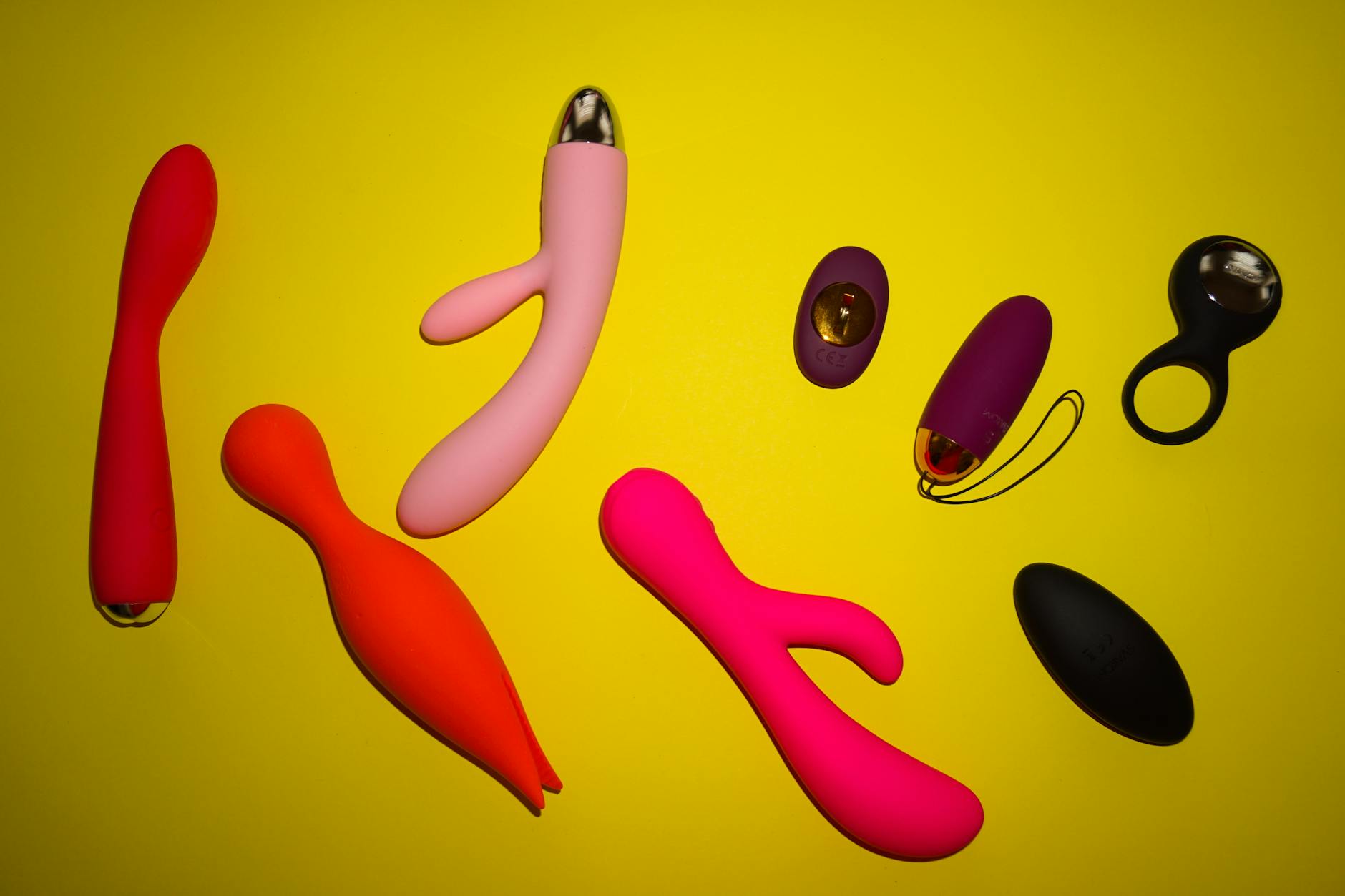
Let's start with the honest part
Low desire doesn't mean broken. But it does mean your arousal system has gone dormant, and trying to restart it with the same tools that didn't work before is like using a key that never opened the door. That's where most people get stuck. They dust off the friction vibrator, feel nothing, and assume they're just wired differently now. What's actually happening is more fixable than that.
Lemon vibrators work on a different neurological pathway than traditional vibrators. They stimulate through suction and rhythmic pulse rather than direct friction. For someone whose desire has flatlined, that difference is everything.
What happens to arousal when it goes quiet
When desire disappears for months or years, your body doesn't lose the capacity for pleasure. Instead, the neural pathways that signal arousal become less responsive. Think of it like a muscle that hasn't been used. It's not damaged. It's just sleeping. The longer it sleeps, the more intense the stimulus needs to be to wake it up. Most people's instinct is to reach for a stronger vibrator. That's actually backward.
Here's why: if your arousal system is dormant, high-intensity friction can feel jarring or overstimulating instead of pleasurable. It's like waking someone up by blasting an air horn instead of opening a curtain. Your body tenses. The experience feels uncomfortable. And then desire stays offline a little bit longer.
Suction works in reverse. It's gentler than friction-based stimulation, which means it can activate arousal pathways without triggering that protective tension response. The rhythmic pulse and indirect pressure feel curious and exploratory rather than demanding.
Why suction is neurologically different
Your clitoris has three main areas of nerve sensation. Traditional vibrators work best on the external visible tip. Suction toys like the Lem engage all three zones simultaneously. The gentle pressure and rhythmic pattern create a broader sensory experience that feels less like something happening to you and more like your body waking up on its own.
This matters because low desire often comes with a secondary layer of disconnection. You're not just uninterested in sensation. You're a little bit numb to it. A gentler entry point helps bridge that gap without creating shame or pressure.
The arousal-rebuilding sequence that actually works
I recommend a three-phase approach when someone is restarting their desire system.
Phase 1: Solo exploration without goal (Weeks 1-2). Use the Lem on the lowest two settings in a comfortable space with zero expectation of orgasm. The point isn't pleasure yet. It's reacquaintance. Spend 10-15 minutes once or twice a week just noticing what sensations feel interesting. Some sessions will feel like nothing. That's normal. You're waking up a dormant system.
Phase 2: Pattern play (Weeks 3-4). Once you've mapped which patterns feel least jarring, start small experiments. Try a pattern at setting one for five minutes, then switch to setting two for three minutes. Notice whether your body feels more engaged or more checked out. This isn't about finding your "favorite." It's about learning what your body can respond to right now.
Phase 3: Contextual pleasure (Week 5 onward). Now layer in the conditions that might help. A favorite show, a time of day when you're less tired, a partner in the room or a fantasy you've been sitting with. Your nervous system is ready for a little more complexity.
Why friction toys often backfire
Traditional clitoral vibrators use rapid, intense vibration. This works beautifully for bodies with active arousal systems. But for someone in a low-desire phase, that intensity often creates a weird stall. Your mind is interested. Your body feels the stimulation. But there's no spark between them.
It's like the disconnect becomes more obvious rather than smaller. You end up feeling broken instead of just resting.
Suction-based stimulation like a lemon clitoral vibrator bypasses this. The rhythmic pulse and pressure pattern feel fundamentally different. They're not trying to jolt you awake. They're offering a conversation.
Common misconceptions that keep people stuck
Misconception 1: "If I need a gentle toy, I need a weak toy." The Lem at setting five is not weak. It's sophisticated. You're not settling. You're using the right tool.
Misconception 2: "I should be able to use what worked before." Your body changed. That's not failure. That's information. Use it.
Misconception 3: "Rebuilding desire takes weeks or months, so I should force it faster." Pushing harder makes dormant desire retreat further. Gentleness is the accelerator, not softness.
The partner conversation you need to have
If you're with someone, the worst thing you can do is keep your desire offline quiet. Tell them: "I'm restarting my arousal system, and I need to explore solo first. This is about me reconnecting with sensation, not about anything you've done or haven't done." This removes the assumption that low desire is a verdict on the relationship.
Once you've had a few solo sessions and felt even small moments of interest, you can bring your partner in. They can learn the device alongside you. They can be present without performing. That shifts the dynamic from pressure to collaboration.
When to expect shifts
Some people feel a spark within the first few sessions. Others need two or three weeks of gentle exploration before sensation starts traveling. Neither timeline is wrong. What matters is consistency, not intensity.
If you're six weeks in with zero changes, that's useful information too. It might mean there's a physical factor (medication, hormonal shift, pelvic floor tension) that needs a different kind of attention. A pelvic health physical therapist or a menopause-informed GP can help identify what's happening beneath the surface.
The long game
Rebuildng arousal after a low-desire phase isn't about manufacturing passion. It's about removing the barriers between your body's capacity for sensation and your mind's interest in it. Lemon vibrators work because they show your nervous system that pleasure is still possible without requiring you to perform anything.
Desire doesn't come back through force. It comes back through permission, curiosity, and tools that match where your body actually is right now, not where you think it should be.
Frequently asked questions
How long does it usually take to feel arousal again after a low-desire phase?
There's no fixed timeline. Some people notice shifts within a few weeks of consistent, gentle exploration. Others need two to three months before arousal pathways fully reactivate. The key variable is nervous system readiness, not how often you use the device. Consistency matters more than frequency. If you're exploring once a week but with full attention, you'll see faster results than daily sessions where you're distracted or goal-focused. Track what you notice (increased interest, tingling, easier arousal) rather than aiming for orgasm.
Why do suction toys feel so different from wand vibrators?
Suction toys like the Lem engage multiple nerve zones simultaneously through rhythmic pressure rather than rapid surface vibration. Wand vibrators create intense, localized sensation that works brilliantly for people with active arousal systems. But for someone whose desire has been dormant, that intensity can feel overwhelming or create disconnection instead of connection. Suction stimulation is gentler and broader, which creates a reawakening sensation rather than a jolt. Think of it as the difference between a nudge and a push.
Is low desire after a long phase a sign my body can't feel pleasure anymore?
No. Your body's capacity for pleasure doesn't disappear. What happens is the neural pathways that signal arousal become less responsive. It's similar to muscle atrophy rather than permanent damage. Consistent, patient stimulation with the right tool reactivates those pathways. Many people report that their arousal system comes back stronger and more nuanced than before. You're not broken. You're just paused.
Should I use a lemon vibrator alone or with a partner when rebuilding arousal?
Start solo. This removes performance pressure and lets you focus entirely on what your body actually responds to. Once you've had a few sessions where you feel even small shifts, bring your partner in as an observer or participant, depending on what feels right. Some people find that a partner's presence in the room creates enough support to deepen the experience. Others need more time alone first. There's no wrong answer. Trust what your nervous system is asking for.
Can medication affect how suction toys feel during a low-desire phase?
Absolutely. Antidepressants, hormonal birth control, thyroid medication, and blood pressure medications all influence arousal and sensation. If you've been on a new medication during your low-desire phase, that's worth mentioning to your prescriber. Some medications need timing adjustments or alternatives that preserve sexual function. It's a real conversation, not something you have to just accept. Many people find that once they've addressed the medication piece, arousal rebounds much faster. If you're on antidepressants, check out our guide on <a href="/blog/why-lemon-vibrators-feel-different-when-using-antidepressants">why lemon vibrators feel different when using antidepressants</a>.
What if I feel nothing even after several weeks with a suction toy?
That's not failure. It's diagnostic. If you've been patient and consistent and sensation still isn't returning, something else is likely at play. It could be a pelvic floor tension pattern that needs physical therapy, a hormonal shift that needs medical evaluation, or a deeper relational or emotional disconnection that needs conversation. <a href="/blog/how-lemon-vibrators-help-rebuild-desire-after-sexual-avoidance">Sexual avoidance patterns</a> sometimes need therapeutic work alongside physical exploration. A pelvic health PT or a sex-informed therapist can help you identify what's underneath.
Does the intensity setting matter when I'm rebuilding arousal?
Yes, but not how you'd think. Most people assume they should use the lowest setting and work up. In reality, the best setting is the one where you feel the most curious and the least tense. For some people that's setting one. For others it's setting three or four. Start by experimenting across all settings for 30 seconds each and notice which one makes your nervous system relax rather than brace. That's your starting point. You can explore higher settings later, but the goal right now is exploration, not progression.